Puppy Potty Training: A Before and After Transformation
Discover the before and after transformation of puppy potty training. Learn actionable schedules, crate tips, and cleanup costs to raise a reliable dog.

The "Before" Phase: Surviving the Puddle Chaos
Bringing an eight-week-old puppy home is a joyous occasion, but the reality of the first few weeks often feels like a chaotic blur of sleep deprivation and endless laundry. In the "before" stage of potty training, your home essentially becomes a minefield. You find yourself tiptoeing down the hallway in the dark, dreading the squish of a hidden puddle under your slipper. The emotional toll is just as heavy as the physical exhaustion; new owners frequently report feelings of intense frustration, guilt, and even regret as they scrub carpets for the third time in a single afternoon. During this phase, your puppy lacks the physical bladder control and the cognitive association needed to understand that the expensive vintage rug in the living room is not, in fact, a giant absorbent grass patch.
The "After" Phase: A Reliable, Confident Companion
Fast forward four to six months, and the transformation is nothing short of miraculous. The "after" stage is defined by mutual trust and a predictable rhythm. You wake up to a dry crate and a puppy who is eagerly waiting at the door, offering a soft whine or a gentle paw at the handle to signal it is time to go out. The heavy, lingering scent of ammonia is replaced by the fresh smell of clean air and dog-safe candles. You can confidently leave your puppy in a designated safe zone or their crate while you run errands, knowing your home will remain pristine. This transformation is not achieved through luck or simply waiting for the puppy to "grow out of it." It is the direct result of a structured, science-backed training protocol that bridges the gap between chaos and reliability.
The Transformation Blueprint: How to Bridge the Gap
To achieve this remarkable before-and-after transformation, you must implement a strict, proactive strategy. Relying on reactive measures—like scolding the puppy after an accident—only creates fear and leads to the puppy hiding behind the sofa to eliminate. Instead, follow these three foundational pillars of potty training.
Step 1: Ditch Free-Feeding for a Strict Schedule
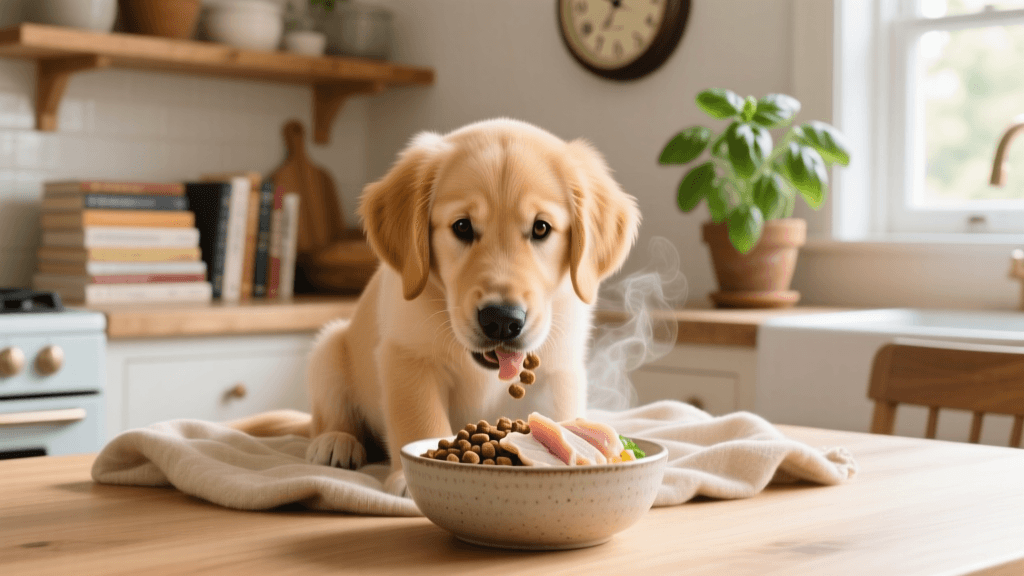
In the "before" phase, many owners leave a bowl of kibble out all day, leading to unpredictable digestion and random potty breaks. To transform your puppy's habits, you must control the input to predict the output. Transition to scheduled feedings three times a day (morning, noon, and early evening) using a high-quality, digestible puppy food like Purina Pro Plan Puppy or Royal Canin Puppy. According to the Humane Society of the United States, taking your puppy outside 15 to 20 minutes after every meal, after vigorous play sessions, and immediately upon waking from a nap is the most effective way to build a reliable routine. By controlling the feeding schedule, you effectively program the puppy's digestive tract, turning random accidents into predictable outdoor successes.
Step 2: Master the Crate with Proper Sizing
The crate is the ultimate transformation tool, leveraging a dog's natural instinct to keep their sleeping area clean. However, a common mistake in the "before" phase is buying a crate that is far too large, allowing the puppy to eliminate in one corner and sleep in the other. Invest in a wire crate with an adjustable divider panel, such as the MidWest Homes for Pets iCrate (typically costing between $50 and $70). The correct measurement is crucial: the puppy should have just enough room to stand up, turn around, and lie down comfortably. Measure your puppy from the tip of their nose to the base of their tail, and add exactly two inches. As your puppy grows, move the divider panel back. This precise spatial management forces the puppy to hold their bladder until you take them outside, dramatically accelerating the training process.
Step 3: Enzymatic Cleaners and Scent Eradication
Puppies have olfactory senses that are up to 100,000 times more sensitive than humans. If you clean an accident with standard household soap or, worse, an ammonia-based cleaner, the puppy will still smell the uric acid crystals and return to that exact spot to mark it again. To truly transform your home's environment, you must use a bio-enzymatic cleaner like Nature's Miracle Advanced Stain and Odor Eliminator (approximately $15 per bottle). These cleaners contain specialized bacteria that literally consume the uric acid and organic matter, erasing the scent completely. Saturate the area, let it sit for 10 minutes, and blot it dry. This breaks the cycle of repeat offenses and is a non-negotiable step in the transformation journey.
Before & After: Daily Routine Comparison Chart
Visualizing the shift in your daily routine helps set realistic expectations. Here is a comparison of what a typical day looks like before and after the potty training transformation.
| Time of Day | Before (The Chaos Phase) | After (The Routine Phase) |
|---|---|---|
| 6:00 AM | Wake up to a wet crate; rush outside in a panic while puppy cries. | Puppy wakes up dry, sits quietly by the door waiting for the leash. |
| 8:00 AM | Free-feed kibble; puppy has a random accident on the rug at 10:30 AM. | Scheduled breakfast at 7:00 AM; successful outdoor potty break at 7:20 AM. |
| 12:00 PM | Puppy naps on the couch, wakes up, and urinates on a pillow. | Puppy naps safely in the crate, goes straight outside upon waking. |
| 5:00 PM | Owner returns home to find a mess; scolds puppy, causing submissive urination. | Owner returns home, greets puppy calmly outside, rewards with a high-value treat. |
Financial Transformation: The Real Cost of Potty Training
Many owners hesitate to spend money on training tools, not realizing how much the "before" phase is secretly costing them. Let us break down the financial transformation of investing in prevention versus paying for damages.
- The Cost of the "Before" Phase: Replacing a ruined area rug ($200 - $500), professional carpet steam cleaning ($150), and replacing chewed or soiled dog beds ($40 each). Total potential loss: $390 to $690.
- The Cost of the "After" Phase (Investment): MidWest iCrate with divider ($60), Nature's Miracle Enzymatic Cleaner ($15), a sturdy treat pouch for outdoor rewards ($12), and a bag of Zuke's Mini Naturals training treats ($8). Total investment: $95.
By spending less than $100 upfront on the right tools, you save hundreds of dollars in property damage and, more importantly, save your relationship with your dog from the strain of chronic frustration.
Expert Insights and Troubleshooting Setbacks
Even with a perfect plan, the transformation is rarely a straight line. The American Kennel Club (AKC) notes that puppies often experience a potty training regression around the four-to-five-month mark. This coincides with teething and a growing desire to explore their environment, which can cause them to become distracted outside and forget to eliminate until they come back indoors. When this happens, do not punish the dog. Simply revert to the strict supervision and frequent outdoor trips you used at eight weeks old. Additionally, be aware of submissive or excitement urination, which is an involuntary physical response common in young, eager-to-please breeds. Keeping greetings low-key and taking the puppy outside immediately upon entering the home will help manage this developmental quirk.
Conclusion
The journey from a chaotic, puddle-filled home to a harmonious living space with a reliably house-trained dog is one of the most rewarding transformations in pet ownership. By committing to a strict feeding schedule, utilizing a properly sized crate, and erasing scent markers with enzymatic cleaners, you set your puppy up for success. The effort you invest during the first few months will pay dividends for the next decade, turning the puppy you once worried about into the confident, trusted companion you always envisioned.
marcus-aldridge
All our authors care for dogs every day — read more of their work on the authors page.