Puppy Crate Training: Answers to Google's Most-Asked Questions
Discover answers to Google's most-asked puppy crate training questions. Learn crate sizing, crying solutions, and time limits for a happy pup.
Introduction to Puppy Crate Training
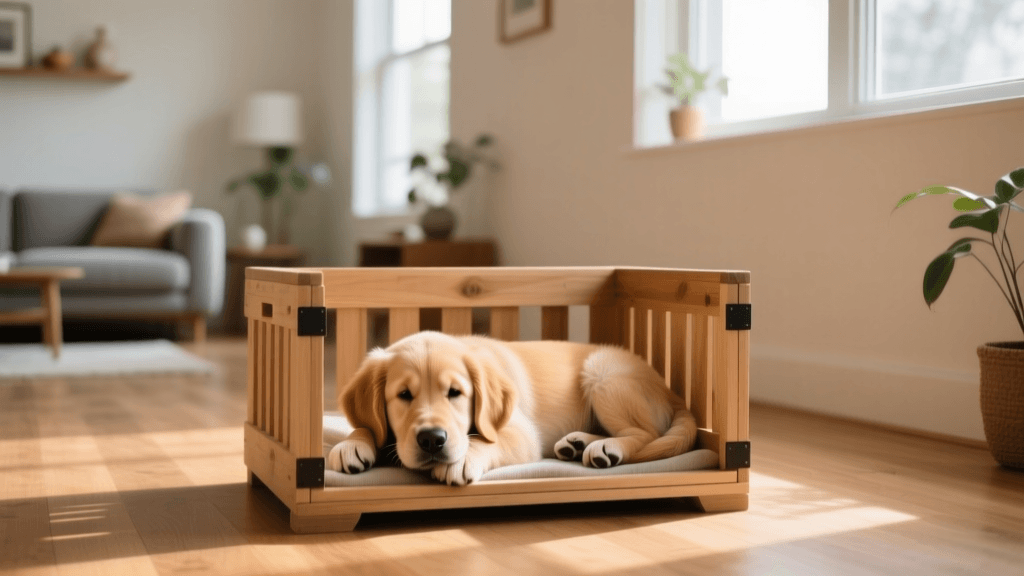
Crate training is a fundamental milestone in raising a well-adjusted, obedient puppy. However, navigating the sheer volume of advice online can be overwhelming for new dog owners. At Paws-Tales, we analyze search engine trends to bring you the most practical, science-backed answers to the questions you are actually asking. Based on Google's 'People Also Ask' data, new owners consistently search for solutions regarding crate sizing, time limits, nighttime crying, and proper accessories.
In this comprehensive guide, we tackle Google's most-asked puppy crate training questions, providing you with actionable advice, specific product recommendations, and exact measurements to ensure your puppy's transition into their new home is as smooth as possible. According to the ASPCA's official crate training guidelines, a crate should be a safe haven, not a place of punishment. Let us dive into the most common queries and expert solutions.
1. How Do I Choose the Right Crate Size?
The most frequently searched question regarding crate setup is about dimensions. A crate that is too large will allow your puppy to eliminate in one corner and sleep in the other, defeating the purpose of house training. A crate that is too small will cause physical discomfort and anxiety. The golden rule is that your puppy must be able to stand up without ducking their head, turn around completely, and lie down stretched out.
For growing puppies, we highly recommend purchasing a wire crate with an adjustable divider panel, such as the MidWest Homes for Pets iCrate (typically costing between $45 and $70 depending on the size). This allows you to buy a crate sized for your dog's estimated adult weight and restrict the space as they grow.
Puppy Crate Sizing Chart
| Estimated Adult Weight | Crate Length | Crate Width | Crate Height | Breed Examples |
|---|---|---|---|---|
| 11 - 25 lbs | 24 inches | 18 inches | 19 inches | Beagle, Cocker Spaniel |
| 26 - 40 lbs | 30 inches | 19 inches | 21 inches | Bulldog, Corgi |
| 41 - 70 lbs | 36 inches | 23 inches | 25 inches | Border Collie, Boxer |
| 71 - 90 lbs | 42 inches | 28 inches | 30 inches | Labrador, Golden Retriever |
| 91+ lbs | 48 inches | 30 inches | 33 inches | German Shepherd, Mastiff |
2. How Long Can a Puppy Stay in a Crate?
Another massive search query revolves around time limits. Puppies have incredibly small bladders and lack the sphincter control of adult dogs. The general veterinary rule of thumb for daytime crating is the 'month plus one' rule. This means a puppy can hold their bladder for their age in months, plus one hour. For example, a two-month-old puppy can comfortably wait three hours. However, this rule applies to daytime resting. Overnight, puppies can often sleep longer because their metabolism slows down.
It is critical to note that crating a puppy for an eight-hour workday is entirely inappropriate and will lead to severe behavioral issues, urinary tract infections, and a breakdown of the human-animal bond. If you work full-time, you must budget for a midday dog walker (typically $15 to $25 per visit) or utilize a puppy-proofed exercise pen. The VCA Animal Hospitals emphasize that frequent, scheduled potty breaks are the cornerstone of successful house training.
Maximum Daytime Crating Limits
| Puppy Age | Max Daytime Hours | Max Overnight Hours |
|---|---|---|
| 8 - 10 Weeks | 2 Hours | 4 - 5 Hours |
| 11 - 14 Weeks | 3 Hours | 5 - 6 Hours |
| 15 - 16 Weeks | 4 Hours | 6 - 7 Hours |
| 4 - 6 Months | 5 Hours | 7 - 8 Hours |
3. What Should I Do If My Puppy Cries in the Crate?
Nighttime whining and crying are arguably the most stressful aspects of puppy ownership, generating thousands of daily searches. When you place your puppy in the crate and they begin to cry, your instinct will be to let them out to comfort them. You must resist this urge. If you release a crying puppy, you are actively conditioning them to believe that crying equals freedom.
Instead, you must wait for a moment of silence. Even if it takes twenty minutes of howling, wait for just five seconds of quiet before opening the door or offering verbal praise. This is a behavioral conditioning concept known as avoiding the 'extinction burst.' An extinction burst occurs when a behavior temporarily worsens before it stops, as the puppy tries harder to get the previous reward.
If your puppy cries in the middle of the night, they likely need to eliminate. Take them out on a leash, keep the lights dim, do not play with them, and immediately return them to the crate once they finish. The Humane Society of the United States recommends keeping the crate in your bedroom for the first few weeks so your puppy can smell and hear you, which significantly reduces separation anxiety and nighttime panic.
4. Should I Cover the Crate at Night?
Many owners wonder if draping a blanket over the crate creates a cozier, den-like environment. The answer is yes, but with strict safety caveats. Covering the top and sides of a wire crate can reduce visual stimulation and help a puppy settle down for the night. However, you must never cover the front door of the crate, and you must ensure adequate ventilation.
Never use heavy quilts or towels that can restrict airflow or be pulled into the crate and chewed. Overheating is a serious risk, especially for brachycephalic breeds like French Bulldogs or Pugs. We recommend purchasing a purpose-built, breathable crate cover, such as the Midwest Quiet Time Crate Cover (around $25), which features roll-up sides for temperature control and proper ventilation.
5. What Are the Best Crate Training Accessories?
To transform the crate from a restrictive cage into a positive sanctuary, strategic use of accessories is vital. Here are the top-rated, veterinarian-recommended products to aid your training:
- Kong Classic Red Rubber Toy ($15-$20): Stuff this durable toy with a mixture of plain pumpkin puree, plain Greek yogurt, and kibble, then freeze it overnight. A frozen Kong provides up to 45 minutes of mental enrichment and soothing teething relief, keeping your puppy quietly occupied in the crate.
- SmartPetLove Snuggle Puppy ($40-$50): This plush toy features a simulated heartbeat and a heat pack. It is exceptionally effective for the first week of bringing a puppy home, as the heartbeat mimics the feeling of sleeping in a litter pile, drastically reducing nighttime whining.
- Nature's Miracle Advanced Stain and Odor Eliminator ($15): Accidents will happen. Standard household cleaners do not break down uric acid crystals. An enzymatic cleaner is mandatory to ensure your puppy does not return to the same spot to eliminate.
- Washable Fleece Pads: Avoid looped towels or beds with loose threads, which can catch on puppy claws or be ingested, causing intestinal blockages. Use flat, washable fleece pads instead for safe, comfortable bedding.
Final Thoughts on Crate Conditioning
Crate training requires immense patience, consistency, and a deep understanding of canine behavioral conditioning. By adhering to proper sizing guidelines, respecting your puppy's biological time limits, and utilizing positive reinforcement tools, you will build a foundation of trust and obedience that lasts a lifetime. Remember, the goal is for your dog to eventually seek out their crate voluntarily as a safe retreat from the household hustle and bustle. Bookmark this guide, share it with fellow puppy owners, and explore our extensive training archives at Paws-Tales for more expert advice on raising a happy, well-adjusted dog.
aaron-whyte
All our authors care for dogs every day — read more of their work on the authors page.