Puppy Boundary Training and Home Dog-Proofing Guide
Learn how to combine puppy boundary training with effective home dog-proofing. Discover actionable tips, safe zones, and products to protect your pup.

The Intersection of Dog-Proofing and Behavioral Conditioning
Bringing a new puppy or rescue dog into your home is an exciting milestone, but it often introduces a wave of chaos to your living space. Many new owners make the critical mistake of viewing dog-proofing and obedience training as two entirely separate entities. They puppy-proof the house by hiding shoes and closing doors, then attempt to train the dog using verbal commands alone. In reality, environmental management and active behavioral conditioning must work hand-in-hand. If your home environment is not set up for success, your dog will inevitably practice unwanted behaviors, reinforcing bad habits that are incredibly difficult to break later on.
In the realm of canine behavioral conditioning, management is just as important as active training. By strategically dog-proofing your home and establishing clear physical boundaries, you remove the opportunity for your dog to make the wrong choice. This guide will walk you through the practical steps of combining home environment management with active boundary training, ensuring your dog learns to navigate your home safely and respectfully.
Step 1: Designing the Ultimate Puppy Safe Zone
Before you even begin teaching verbal commands, you must establish a designated 'Safe Zone.' This is an area where your dog can be left unattended without the risk of destroying property or ingesting hazardous materials. For most homes, a sectioned-off area of the kitchen or a dedicated spare room works best.
To create this zone, invest in a high-quality metal exercise pen rather than relying solely on a crate. For a medium-to-large breed puppy, a 36-inch tall exercise pen (such as the MidWest Homes for Pets 36-inch model, which typically costs between $45 and $60) is ideal. Configure the panels to create a minimum 4x4 foot enclosure (16 square feet). This provides enough space for a bed, a water bowl, and a designated potty area if you are using indoor grass patches or pee pads. The cost of setting up a comprehensive safe zone, including a washable mat and puzzle toys, generally ranges from $80 to $120. This investment pales in comparison to the cost of replacing chewed baseboards or emergency veterinary visits.
Step 2: Active Boundary Training Techniques
Once the environment is managed, you must actively teach your dog where they are allowed to go. Boundary training teaches your dog to respect invisible lines, such as the threshold of the front door, the entrance to the kitchen, or the edge of the carpet.
Teaching the 'Place' Command
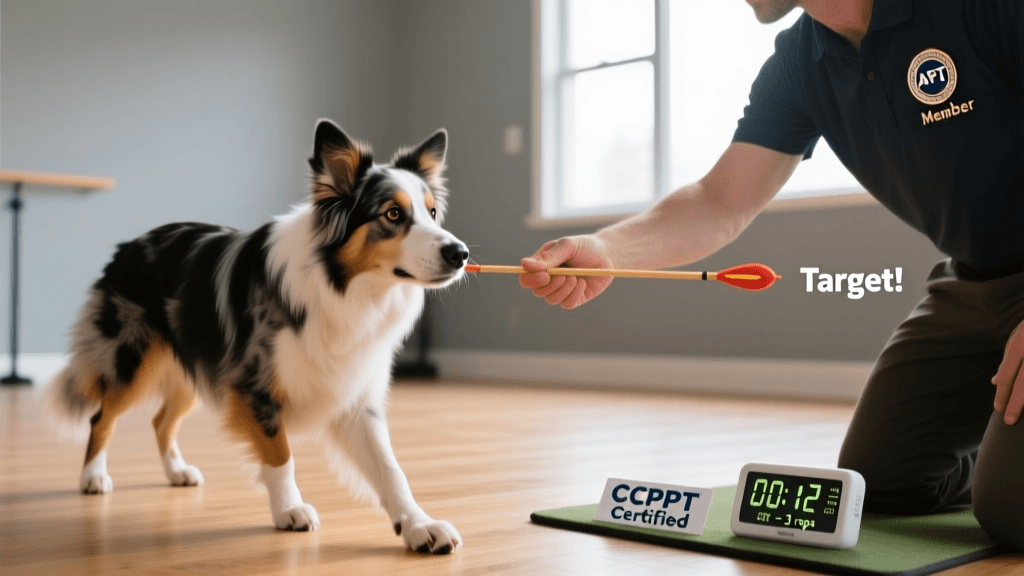
The 'Place' command is the foundation of indoor boundary training. Select a specific raised cot or mat. Lure your dog onto the mat with a high-value treat, such as boiled chicken or freeze-dried liver. The moment all four paws touch the mat, mark the behavior with a clicker or a verbal 'Yes!' and reward them. Gradually increase the duration they must stay on the mat before receiving the reward. Start with 5-second intervals and work your way up to 15-minute sessions. This teaches impulse control and gives the dog a designated boundary to retreat to when guests arrive or when you are cooking.
Threshold and Room Boundary Training
To teach a dog not to cross a doorway, use the 'treat tossing' method. Stand inside the room you want the dog to stay out of (e.g., the kitchen). When the dog approaches the threshold, toss a treat behind them, back into the hallway. This rewards them for moving away from the boundary. Over time, add a verbal cue like 'Wait' or 'Kitchen' and only reward when they voluntarily stop at the invisible line. According to American Kennel Club (AKC) training resources, consistency in rewarding the dog for making the right choice regarding spatial boundaries is crucial for long-term retention.
Essential Dog-Proofing Products Comparison Chart
Selecting the right tools for your home environment can save you hours of frustration. Below is a comparison of essential dog-proofing products, their estimated costs, and their best use cases.
| Product Type | Recommended Brand/Style | Estimated Cost | Best Use Case |
|---|---|---|---|
| Exercise Pen | MidWest 36' Metal Pen | $45 - $60 | Creating a 16 sq ft safe zone |
| Cord Protector | Split Loom Tubing (1/2') | $10 - $15 | Chewing prevention on wires |
| Deterrent Spray | Grannick's Bitter Apple | $8 - $12 | Baseboards and furniture legs |
| Baby Gate | Carlson Pet Products Walk-Through | $40 - $55 | Blocking off stairs or kitchens |
| Cabinet Locks | Magnetic Child Safety Locks | $15 - $20 | Securing cleaning supplies |
Step 3: Hazard Management and Supervision Timelines
Even with excellent boundary training, dogs are opportunistic scavengers. A momentary lapse in supervision can lead to disaster. Proper dog-proofing requires addressing specific household hazards with precise measurements and strict timelines.
Electrical cords are a primary concern. Puppies teething on live wires can suffer severe burns or fatal electrocution. Protect all accessible cords by encasing them in 1/2-inch diameter split loom tubing, which can be purchased at any hardware store for under $15. For toxic substances, never rely on your dog 'knowing better.' According to the ASPCA Animal Poison Control, common household items like xylitol (found in sugar-free gum), grapes, and certain cleaning chemicals are highly toxic and must be stored in cabinets secured with magnetic child-proof locks, placed at least 5 feet off the ground if possible.
Furthermore, the American Veterinary Medical Association (AVMA) emphasizes the importance of proactive environmental management to prevent accidental poisonings and intestinal blockages. Small objects like coins, hair ties, and children's toys must be kept in sealed bins. A good rule of thumb for supervision timing is the 'Umbilical Cord Method,' which we will discuss next.
Step 4: The Umbilical Cord Training Method
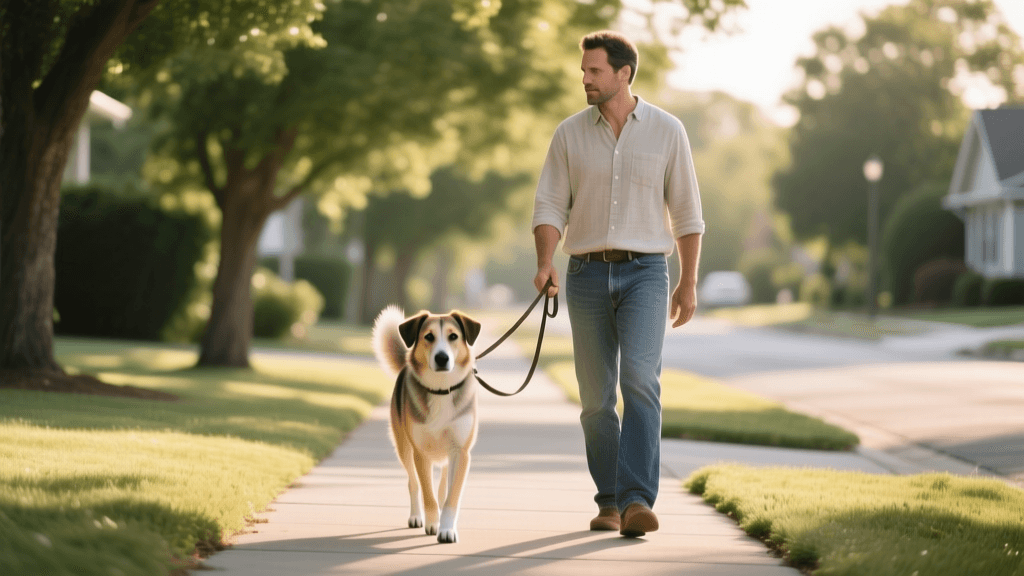
When your puppy is out of their designated safe zone and not confined to a crate, they should be tethered to you. The Umbilical Cord method involves attaching a 4-to-6-foot leash to your belt loop and the other end to your dog's harness. This physical boundary ensures the dog cannot wander into another room to chew on a baseboard or sneak into the trash.
This method is highly effective because it forces you to be aware of your dog's movements. If the dog begins to sniff a forbidden area, you can instantly redirect them and reward them for engaging with an appropriate chew toy instead. Limit these active, tethered supervision sessions to 1 to 2 hours at a time to prevent fatigue for both you and the dog. If you need to step away to shower or work, the dog must return to their 4x4 foot exercise pen or crate. Unattended freedom is a privilege that must be earned over months of consistent boundary training and demonstrated reliability.
Step 5: Teaching 'Leave It' for Environmental Hazards
No matter how well you dog-proof, your dog will eventually encounter something they shouldn't have, whether it is a dropped pill, a piece of chocolate, or a dead animal in the yard. The 'Leave It' command is a critical behavioral conditioning tool that acts as a verbal dog-proofing mechanism.
To train this, place a low-value treat on the floor and cover it with your hand. When the dog stops pawing at your hand and looks up at you, mark the behavior and reward them with a different, higher-value treat from your other hand. Once they understand this, practice with uncovered items and eventually dropped items. This impulse control exercise directly translates to the home environment, allowing you to halt a dog mid-stride if they lunge for a hazardous object.
Conclusion
Combining home dog-proofing with active boundary training is the most effective way to raise a well-mannered, safe, and happy dog. By investing in physical barriers like exercise pens and baby gates, utilizing deterrents, and actively teaching commands like 'Place' and 'Leave It,' you set your dog up for success. Remember that management prevents bad habits from forming, while active training builds the communication and trust necessary for a lifelong bond. Be patient, remain consistent with your boundaries, and enjoy the peace of mind that comes with a truly dog-proofed home.
priya-sutaria
All our authors care for dogs every day — read more of their work on the authors page.