Puppy Biting and Mouthing: An Expert Behavior Analysis
Discover the science behind puppy biting and mouthing. Learn expert behavior analysis techniques, timelines, and actionable steps to teach bite inhibition effectively.
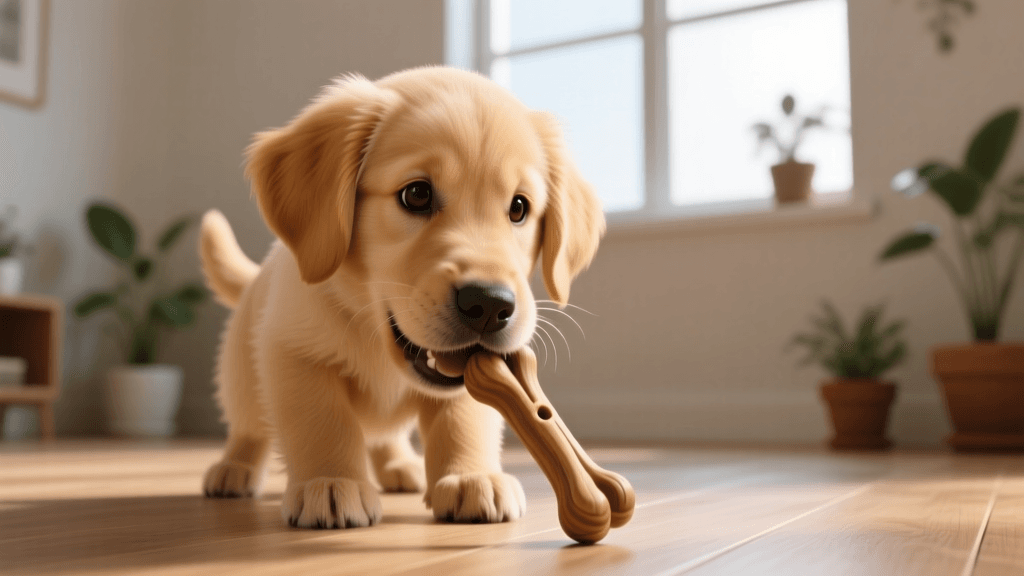
When welcoming a new puppy into your home, few behaviors are as universally frustrating—and as deeply misunderstood—as mouthing and biting. From an expert behavior analysis perspective, it is vital to recognize that a puppy's mouth is their primary tool for environmental interaction. Unlike human infants who develop prehensile grasping early on, canines rely on their oral cavity to explore textures, test boundaries, and initiate social play. However, when those needle-sharp deciduous teeth make contact with human skin, the natural human response is often frustration or punishment. To successfully navigate this developmental phase, owners must shift their mindset from viewing biting as an act of defiance to understanding it as a predictable, biologically driven behavioral sequence. In this comprehensive guide, we will dissect the ethology of puppy mouthing, establish the critical difference between bite inhibition and bite suppression, and provide evidence-based, actionable protocols rooted in applied behavior analysis to help you raise a well-adjusted, soft-mouthed adult dog.
The Ethology of Mouthing: Why Puppies Bite
To address puppy biting effectively, we must first understand the evolutionary and developmental drivers behind the behavior. Puppies are born with their eyes and ears sealed shut; their tactile and olfactory senses are their only windows to the world. As their motor skills develop, the mouth becomes the primary instrument for gathering sensory data. According to the Humane Society of the United States, mouthing is a completely normal, species-typical behavior that facilitates littermate bonding and environmental mapping. Furthermore, between the ages of 12 and 24 weeks, puppies undergo the teething process. The eruption of adult teeth through the gingival tissue causes significant inflammation and discomfort. Chewing and biting apply counter-pressure to the gums, providing temporary analgesic relief. Therefore, when a puppy bites your hand or ankle, they are rarely displaying malice or dominance; they are responding to a combination of neurological development, sensory curiosity, and physical discomfort.
Bite Inhibition vs. Bite Suppression: A Crucial Distinction
One of the most profound errors in traditional dog training is the conflation of bite inhibition with bite suppression. As certified veterinary behaviorists frequently note, these are two entirely different behavioral outcomes. Bite suppression involves using aversive stimuli—such as yelling, tapping the nose, or holding the muzzle shut—to punish the dog into ceasing the behavior. While this may stop the puppy from biting in the moment, it suppresses the warning signs of stress and fear. A suppressed puppy may learn that giving a warning bite results in severe punishment, leading them to skip the warning phase entirely in the future and bite without provocation.
Bite inhibition, conversely, is the process of teaching a dog to control the force of their jaw. It is a learned motor skill acquired during early socialization, primarily through feedback from littermates. If a puppy bites too hard during play, the sibling yelps and withdraws attention, teaching the biter that excessive force results in the cessation of fun. Our goal as human caregivers is to mimic this natural feedback loop, teaching the puppy that human skin is entirely off-limits, while simultaneously teaching them to moderate their jaw pressure if an accidental graze occurs. The American Kennel Club emphasizes that teaching a dog to inhibit their bite is a vital safety net that protects humans and other animals in the event of a future reflexive reaction or pain response.
Developmental Timelines for Oral Exploration
Understanding the chronological milestones of canine oral development allows owners to anticipate behavioral shifts and adjust their management strategies accordingly. The following table outlines the primary stages of mouthing behavior and the corresponding behavioral interventions required.
| Age Range | Developmental Milestone | Behavioral Driver | Expert Intervention Strategy |
|---|---|---|---|
| 3 - 8 Weeks | Deciduous teeth erupt; littermate play peaks. | Sensory exploration; learning initial jaw pressure feedback. | Allow supervised littermate play; breeder handles daily to build human-skin tolerance. |
| 8 - 12 Weeks | Transition to human home; high arousal levels. | Environmental mapping; teething discomfort begins; seeking social engagement. | Implement DRI (Differential Reinforcement of Incompatible Behavior); enforce mandatory naps. |
| 12 - 24 Weeks | Adult teeth erupt; jaw strength increases significantly. | Gingival inflammation; increased prey drive; testing environmental boundaries. | Provide frozen enrichment toys; utilize 3-strike time-out protocol for hard bites. |
| 6 - 12 Months | Adolescence; adult teeth fully set; hormonal shifts. | Impulse control challenges; regression in previously learned manners. | Reinforce foundational cues; increase cognitive enrichment to manage adolescent arousal. |
Evidence-Based Behavior Modification Protocols
To modify mouthing behavior effectively, we must rely on the principles of operant conditioning, specifically focusing on positive reinforcement for desired behaviors and negative punishment (the removal of a desired stimulus) for undesired behaviors. Below are the specific, actionable protocols utilized by professional behavior consultants.
1. Differential Reinforcement of Incompatible Behavior (DRI)
DRI involves reinforcing a behavior that is physically incompatible with the unwanted behavior. A puppy cannot simultaneously chew on a toy and bite your skin. When your puppy approaches with high arousal and an open mouth, preemptively offer an appropriate chew item.
- Product Recommendation: The KONG Puppy (approx. $12) or the West Paw Toppl (approx. $16). These are made of durable, non-toxic rubber that mimics the resistance of flesh without damaging human skin.
- Preparation: Fill these toys with a mixture of plain Greek yogurt, pumpkin puree, and kibble, then freeze them for 4-6 hours. The cold temperature provides vasoconstriction, which numbs inflamed teething gums, while the licking action releases endorphins that naturally lower the puppy's heart rate and arousal levels.
- Execution: The moment the puppy's teeth touch your clothing or skin, freeze your movement (preventing the prey-drive trigger of moving targets), and present the frozen enrichment toy. When the puppy latches onto the toy, offer calm verbal praise.
2. The Three-Strike Time-Out Protocol
If redirection fails, or if the puppy is over-aroused and refuses the toy, you must implement a structured time-out. This utilizes negative punishment—removing the puppy's access to you, which is their most valued resource.
- Strike One: The puppy bites your skin. You emit a calm, neutral marker word like 'Too bad,' immediately stand up, fold your arms, and look at the ceiling for exactly 10 seconds. This removes social engagement.
- Strike Two: If the puppy re-engages and bites again within the same play session, repeat the marker word and step completely out of the room or behind a baby gate for 30 seconds.
- Strike Three: A third bite indicates the puppy has exceeded their threshold for learning and is likely overtired. Calmly pick up the puppy (or leash them if they are too wiggly) and place them in their crate or a designated puppy-proofed pen for a mandatory 90-minute nap.
Consistency is paramount. Every member of the household must adhere to the exact same timing and criteria to prevent intermittent reinforcement, which makes behaviors highly resistant to extinction.
Environmental Management: The Role of Sleep and Arousal
A frequently overlooked variable in behavior analysis is the puppy's sleep-wake cycle. Puppies require between 18 to 20 hours of sleep per day to support rapid neurological and physical development. When a puppy is kept awake for extended periods, their cortisol levels spike, and their prefrontal cortex—the area of the brain responsible for impulse control—becomes compromised. An overtired puppy is functionally similar to a human toddler throwing a tantrum; they lack the cognitive capacity to make good choices. If your puppy suddenly turns into a 'land shark' and no redirection is working, they are almost certainly sleep-deprived. Enforcing mandatory crate naps every 60 to 90 minutes of wakefulness is one of the most effective, proactive management strategies for reducing overall biting frequency.
Debunking Outdated Aversion Techniques
Historically, trainers recommended aversive methods to stop puppy biting, such as holding the muzzle shut, tapping the nose, or performing 'alpha rolls.' Modern veterinary behaviorists strongly advise against these techniques. The ASPCA and leading behavioral organizations warn that physical punishment damages the human-animal bond, induces fear, and can trigger defensive aggression. Furthermore, the concept of 'dominance' in human-dog relationships has been thoroughly debunked by ethologists. Dogs do not view their human owners as rival pack members vying for alpha status; they are simply opportunistic learners trying to navigate a complex environment. By replacing physical corrections with clear communication, environmental management, and positive reinforcement, you build a foundation of trust rather than fear.
'Puppies explore the world with their mouths, and it is our responsibility to teach them what is acceptable to chew on through patience, redirection, and consistent boundaries, rather than through intimidation.'
When to Seek Professional Help
While mouthing is a normal developmental phase, certain red flags warrant the immediate attention of a certified professional dog trainer or a veterinary behaviorist. If your puppy exhibits stiff body language, hard staring, or growling prior to biting, or if the biting is accompanied by resource guarding (aggression over food, toys, or space), this is not typical puppy play. These are indicators of underlying anxiety or behavioral pathology that require early intervention. Additionally, if you find yourself becoming increasingly frustrated, angry, or overwhelmed, reaching out to a professional for guidance is a sign of responsible ownership, not failure.
Navigating the puppy biting phase requires patience, consistency, and a solid understanding of canine behavior science. By providing appropriate outlets for their natural chewing instincts, managing their arousal levels through enforced naps, and utilizing humane, evidence-based modification protocols, you will guide your puppy through this challenging developmental window. The result will be a confident, well-mannered adult dog who understands how to interact gently with the world around them.
marcus-aldridge
All our authors care for dogs every day — read more of their work on the authors page.