The 8 to 12 Week Puppy Stage: Essential Care and Milestones
Discover essential care tips, feeding schedules, and milestones for your 8 to 12 week old puppy. Start your life stage guide journey today!
The 8 to 12 Week Developmental Window
Bringing home a puppy between the ages of eight and twelve weeks marks the beginning of one of the most critical developmental windows in your dog's life. During this specific life stage, your puppy is transitioning from the litter environment to a human household. They are highly impressionable, rapidly learning boundaries, and forming lifelong associations with their surroundings. As a foundational phase in our Life Stage Care Guides, mastering the 8-to-12-week period requires patience, strict routines, and an understanding of canine developmental milestones.
This comprehensive guide will walk you through exact feeding schedules, potty training protocols, socialization strategies, and teething management, complete with product recommendations and estimated costs to help you prepare your home and budget.
Nutrition and Feeding Schedules
At eight weeks, a puppy's digestive system is still maturing, and their stomach capacity is remarkably small. To maintain stable blood sugar levels and support rapid growth, you must feed them frequent, measured meals rather than free-feeding.
Feeding Frequency and Portions
Puppies in this age bracket require three to four meals per day. A standard schedule looks like this:
- 7:00 AM: Breakfast immediately after the first morning potty break.
- 12:00 PM: Midday meal.
- 5:00 PM: Early evening meal.
- 9:00 PM (Optional): A small snack for toy breeds prone to hypoglycemia, or simply transition to 3 meals for medium/large breeds.
Choosing the Right Food and Measuring
Opt for a high-quality, AAFCO-approved puppy formula. Excellent choices include Purina Pro Plan Puppy Chicken & Rice Formula or Hill's Science Diet Puppy Healthy Development. Expect to spend between $50 and $80 per month on premium kibble. Portion control is vital; overfeeding can cause rapid bone growth in large breeds, leading to orthopedic issues. Generally, an 8-week-old puppy will eat between 1/2 to 1 cup of food per meal, but always defer to the caloric guidelines on the specific food packaging and your veterinarian's advice.
Pro Tip: When transitioning your puppy to a new food brand, do it gradually over 7 to 10 days. Mix 25% of the new food with 75% of the old food, slowly increasing the new food ratio to prevent gastrointestinal upset and diarrhea.
Potty Training and Crate Fundamentals
House training an 8-to-12-week-old puppy is an exercise in timing and supervision. Puppies at this age have very limited bladder control. A general rule of thumb is that a puppy can hold their bladder for one hour per month of age, meaning an 8-week-old puppy needs a bathroom break every two hours, and immediately after eating, drinking, or waking from a nap.
Essential Potty Training Supplies
- Enzymatic Cleaner: Nature's Miracle Advanced Stain & Odor Remover (approx. $12-$15). Standard household cleaners do not break down uric acid crystals, meaning your puppy will still smell the scent and return to the same spot.
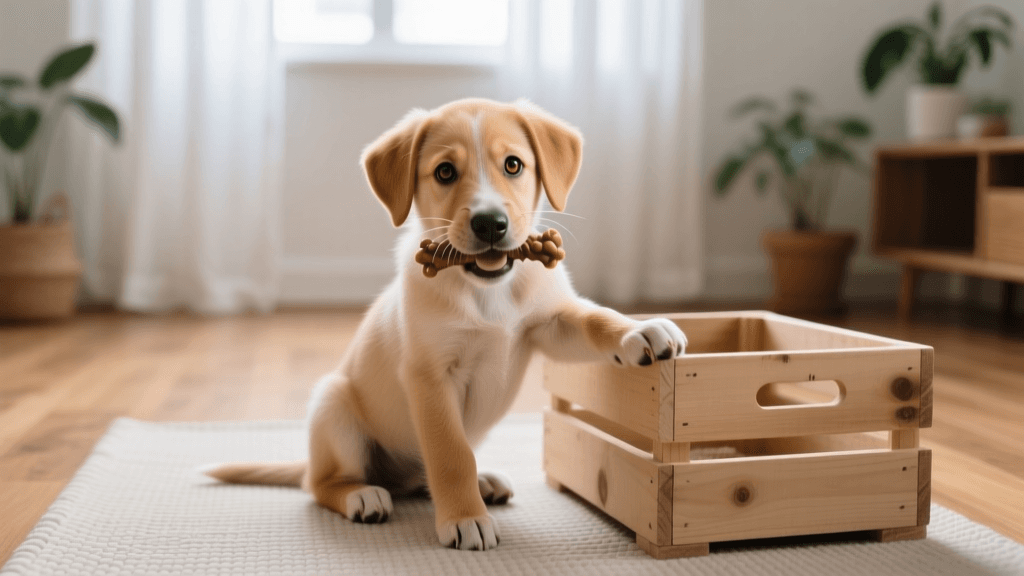
- Properly Sized Crate: A wire crate like the MidWest Homes for Pets iCrate ($40-$70) is ideal. Crucially, you must use the included divider panel. The crate should only be large enough for the puppy to stand up, turn around, and lie down. If it is too large, they will use one corner as a bathroom.
According to the ASPCA's house training guidelines, establishing a consistent outdoor routine and rewarding the puppy immediately after they eliminate outside with high-value treats (like small pieces of boiled chicken or Zuke's Mini Naturals) is the most effective method for creating long-term habits.
Early Socialization and Preventative Health
The 8-to-12-week window coincides with a puppy's primary socialization period. This is the time when they are most open to experiencing new sights, sounds, textures, and people without fear. The American Kennel Club emphasizes that proper socialization during this brief window is essential to prevent behavioral issues, anxiety, and aggression later in life.
Safe Socialization Strategies
Because your puppy is not yet fully vaccinated, you must balance socialization with biosecurity. Avoid public dog parks or areas with heavy, unknown dog traffic. Instead, focus on controlled environments:
- Texture Walking: Let your puppy walk on gravel, grass, tile, and wet leaves.
- Sound Desensitization: Play recordings of thunderstorms, vacuums, and traffic at a low volume while feeding them treats.
- Handling Exercises: Gently touch their paws, ears, and mouth daily to prepare them for future grooming and veterinary exams.
Vaccination Milestones
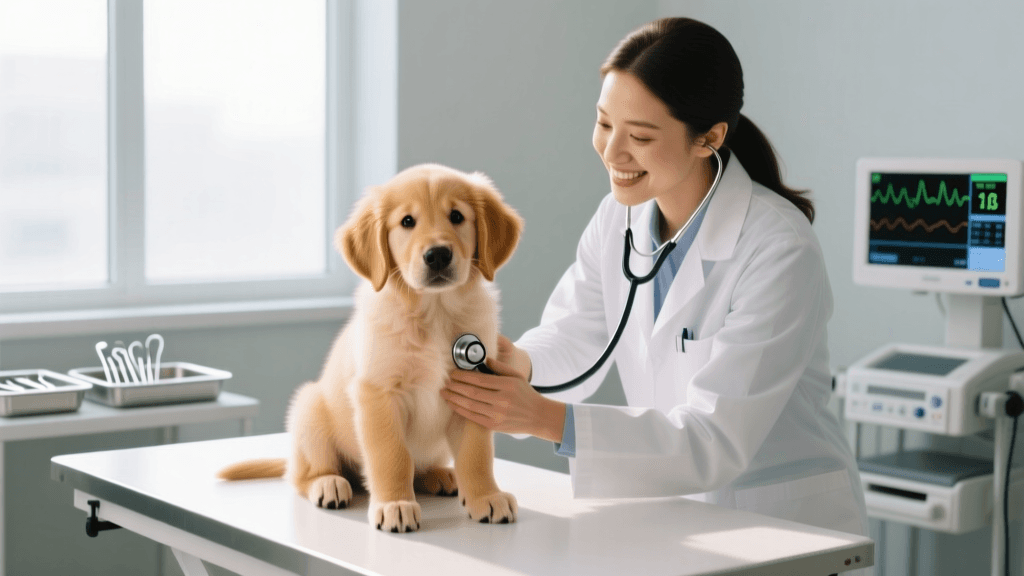
Your puppy will need a series of core vaccines, typically starting at 6 to 8 weeks and repeating every 3 to 4 weeks until they are 16 weeks old. The American Veterinary Medical Association (AVMA) outlines the necessity of the DHPP (Distemper, Hepatitis, Parainfluenza, and Parvovirus) combination vaccine. Expect to pay between $20 and $40 per vaccine booster at a standard veterinary clinic. Never skip these boosters, as maternal antibodies can interfere with early immune responses, leaving the puppy vulnerable to fatal diseases like Parvovirus.
Managing Teething and Bite Inhibition
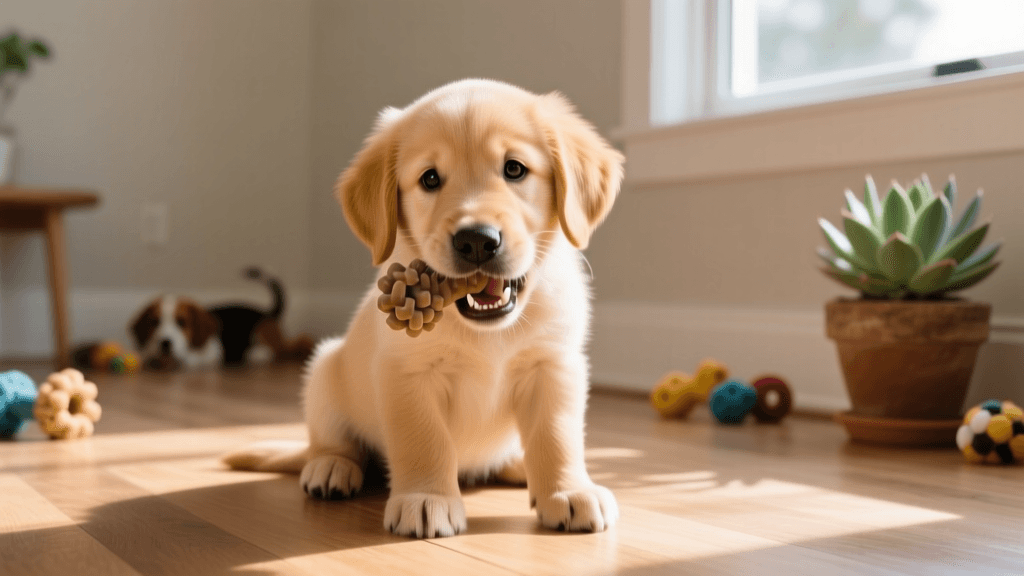
While puppies are born without teeth, their deciduous (baby) teeth erupt between 3 and 6 weeks of age. By 8 weeks, they have a full set of 28 sharp needle-like teeth. Because they explore the world with their mouths, you will inevitably experience nipping and chewing. This stage is critical for teaching 'bite inhibition'—the ability to control the force of their bite.
Redirecting and Soothing
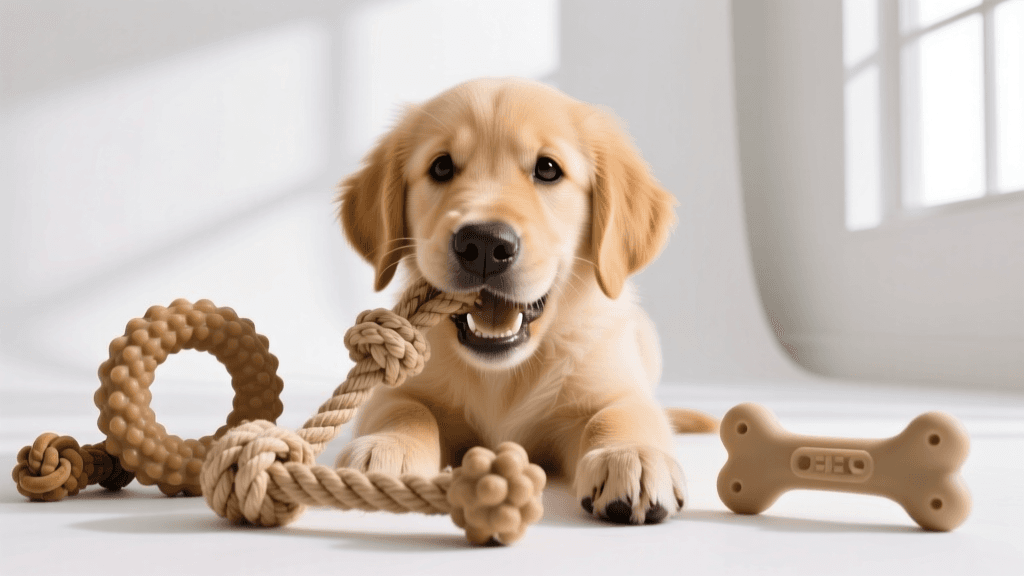
When your puppy bites your skin, emit a high-pitched 'yip' or 'ouch' to mimic a littermate's reaction, then immediately redirect their mouth to an appropriate chew toy. Excellent, budget-friendly teething products include:
- KONG Classic Puppy Toy ($8-$12): Made from softer, natural rubber designed specifically for developing puppy teeth. Stuff it with a little plain pumpkin puree and freeze it for 2 hours to soothe inflamed gums.
- Nylabone Puppy Chew ($5-$7): Great for satisfying the urge to gnaw without destroying your furniture.
- Frozen Carrots: A cheap, healthy, and crunchy alternative that cleans teeth while providing relief.
Sample 8 to 12 Week Daily Schedule
Puppies thrive on predictability. Below is a structured daily routine that balances activity, training, and the immense amount of sleep (up to 18-20 hours a day) that a growing puppy requires.
| Time | Activity | Duration & Notes |
|---|---|---|
| 7:00 AM | Wake Up & Potty | Carry outside immediately. 10 mins. |
| 7:15 AM | Breakfast | Measured kibble. 15 mins to eat. |
| 7:30 AM | Potty & Play | Outdoor elimination, then 15 mins of gentle play. |
| 8:00 AM | Morning Nap | Crate time. 2 to 3 hours. |
| 11:00 AM | Potty & Training | Outdoor break, followed by 3-5 mins of basic lure training (sit, name recognition). |
| 12:00 PM | Lunch | Midday meal. |
| 12:30 PM | Socialization / Nap | Safe exposure to household noises, then crate nap. |
| 5:00 PM | Potty & Dinner | Outdoor break, followed by evening meal. |
| 6:00 PM | Family Time & Play | Supervised chewing, gentle tug, and handling exercises. |
| 9:00 PM | Last Potty & Bedtime | Calm the environment. Crate covered with a light blanket. |
Conclusion
The 8-to-12-week life stage is demanding, exhausting, and incredibly rewarding. By establishing strict feeding routines, prioritizing safe socialization, managing teething with appropriate tools, and adhering to veterinary vaccination schedules, you are laying the neurological and behavioral foundation for a well-adjusted adult dog. Remember that patience and consistency are your greatest tools during this fleeting but formative window of your puppy's life.
hannah-wickes
All our authors care for dogs every day — read more of their work on the authors page.