Puppy Bite Inhibition: Expert Behavior Analysis & Training Guide
Learn expert behavior analysis techniques to stop puppy biting and mouthing. Discover actionable training steps, timelines, and recommended chew toys.
The Ethology of Puppy Mouthing: Why They Bite
Welcome to the complex world of canine behavioral development. If you are raising a puppy, you have likely experienced the sharp, needle-like teeth of a mouthing pup. From an expert behavior analysis perspective, puppy biting is not a sign of malice or future aggression; it is a critical, biologically driven developmental phase. Understanding the ethology behind this behavior is the first step toward effective modification. In this comprehensive guide, we will explore the neurological and environmental factors that drive mouthing, establish a timeline for bite inhibition, and provide actionable, science-backed training protocols to help you navigate this challenging stage.
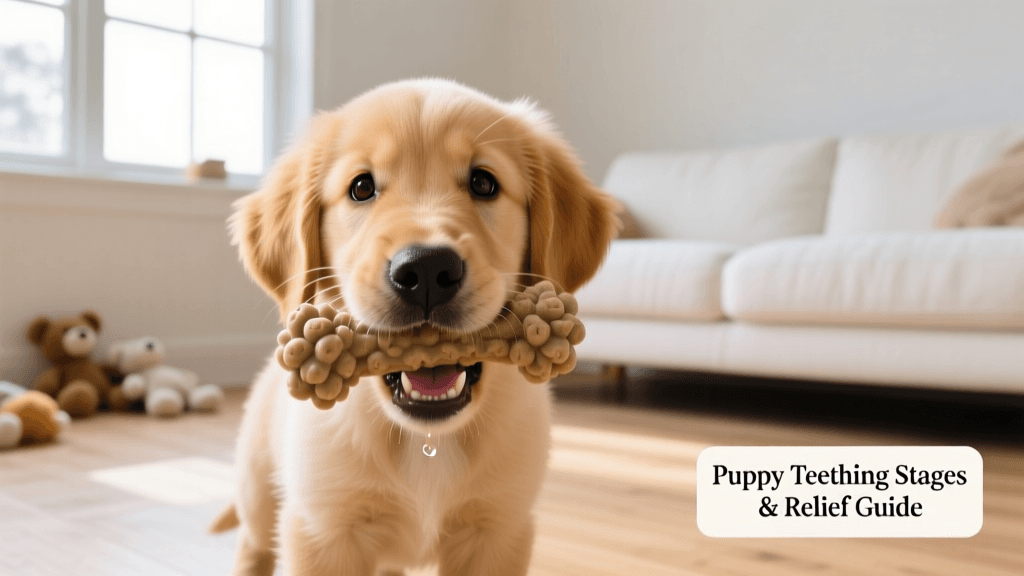
To effectively modify a behavior, a certified behaviorist must first understand its function. Puppies are born with their eyes and ears closed, relying almost entirely on their sense of touch and taste to explore their environment. The mouth is their primary sensory organ. Furthermore, the teething process is physically uncomfortable. Puppies begin cutting their deciduous (baby) teeth at around three to four weeks of age. By the time they are eight weeks old and typically ready to join their new families, they have a full set of 28 sharp baby teeth. Between four and six months, these are replaced by 42 adult teeth. This prolonged period of gingival inflammation and tooth eruption creates a physiological need to chew, which alleviates the pressure and pain in their jaws.
The Critical Window for Bite Inhibition
Bite inhibition refers to a dog's learned ability to control the force of its bite. In a natural setting, puppies learn this crucial skill from their littermates and mother. When a puppy bites too hard during play, the sibling will yelp and cease playing, providing immediate negative feedback. This feedback loop teaches the puppy that hard bites result in the loss of social interaction. According to the American Kennel Club, the primary window for socialization and learning these foundational canine rules closes around 16 weeks of age. Therefore, it is imperative that human caregivers actively participate in teaching bite inhibition before this critical developmental window shuts.
Expert Behavior Modification Techniques
When addressing mouthing, veterinary behaviorists rely on operant conditioning principles, specifically focusing on reinforcement and punishment quadrants. It is vital to note that physical punishment, such as tapping the nose or holding the mouth shut, is strongly discouraged. These aversive methods can induce fear, increase anxiety, and potentially lead to defensive aggression. Instead, we utilize positive reinforcement and negative punishment to shape the desired behavior.
1. Differential Reinforcement of Incompatible Behavior (DRI)
Differential Reinforcement of Incompatible Behavior (DRI) involves rewarding a behavior that cannot occur simultaneously with the unwanted behavior. For mouthing, the incompatible behavior is chewing on an appropriate toy. When the puppy approaches with an open mouth, immediately present a high-value chew toy, such as a frozen KONG Classic stuffed with puppy-safe peanut butter and plain yogurt. Use a base of plain, unsweetened Greek yogurt mixed with a small amount of xylitol-free peanut butter and kibble. Freezing this mixture for at least four hours increases the difficulty and extends the engagement time, providing up to 30 minutes of focused, appropriate chewing. The moment the puppy's teeth make contact with the toy instead of your skin, offer verbal praise. This teaches the puppy what they should do, rather than just punishing what they shouldn't.
2. Negative Punishment (Time-Outs)
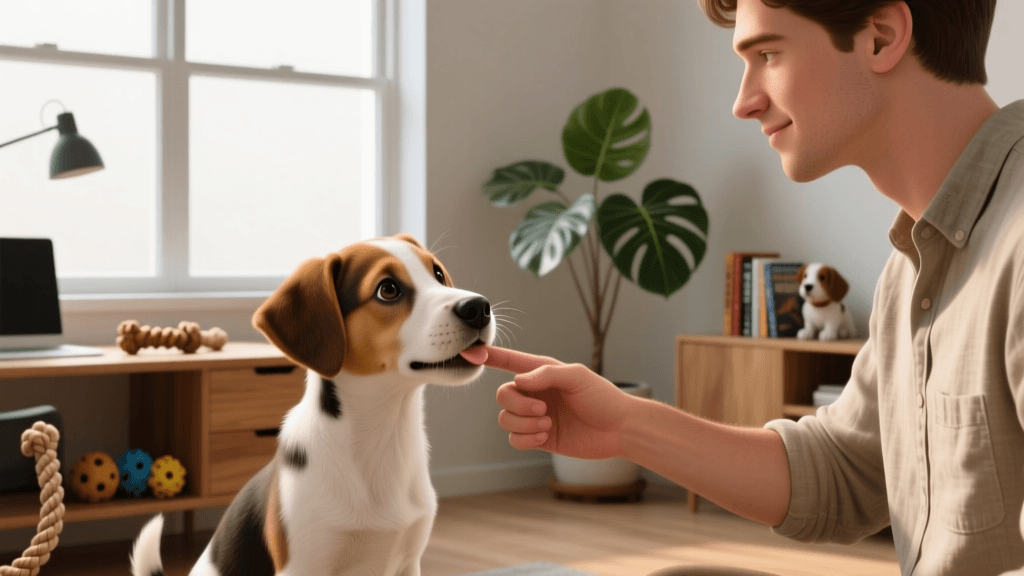
Negative punishment involves the removal of a desirable stimulus to decrease the frequency of a behavior. In the context of puppy biting, the desirable stimulus is your attention and play. We implement the "Three-Strike Rule." If the puppy's teeth graze your skin, you say a calm, neutral marker word like "Too bad," and immediately withdraw your attention by standing up and crossing your arms. If the puppy persists, you step over a baby gate or into a playpen for a brief 30-second time-out. The ASPCA emphasizes that time-outs must occur within 0.5 seconds of the infraction to be effective, as puppies lack the cognitive ability to connect delayed consequences with their actions.
Managing Arousal Levels and Enrichment
Managing the puppy's environment is just as critical as active training. A well-structured playpen, such as the MidWest Foldable Metal Dog Exercise Pen (approximately $60), provides a safe zone for the puppy to decompress when they become overstimulated. Overstimulation is a primary trigger for intense mouthing episodes, often referred to as the "puppy witching hour," which typically occurs in the early evening.
Behavioral analysis dictates that a tired puppy is a well-behaved puppy, but physical exercise alone is insufficient. Mental enrichment tires a puppy's brain much faster than physical exertion. Incorporating tools like the Hyper Pet Doggie Tail ($25) or a snuffle mat ($20) encourages natural foraging behaviors and lowers overall arousal levels. Additionally, using a LickiMat ($12) spread with wet puppy food and frozen for 20 minutes provides a soothing, repetitive licking action that releases endorphins in the canine brain, naturally calming the nervous system and reducing the urge to bite.
It is highly recommended to schedule a mandatory nap in a crate or darkened playpen for 90 to 120 minutes after every hour of active wakefulness. Puppies require up to 18 to 20 hours of sleep per day to support their rapid neurological and physical growth. Sleep deprivation in puppies manifests almost identically to a human toddler's tantrum, resulting in frantic, unmanageable biting.
Structured Redirection: A Comparison of Chew Toys
Providing a variety of texturally appropriate chew toys is essential for satisfying the puppy's physiological need to gnaw. Below is a behaviorist-approved comparison of chew toys designed for different stages of the teething process.
| Product Name | Material | Best Use Case | Average Cost |
|---|---|---|---|
| KONG Classic (Red) | Natural Rubber | Food stuffing, solo play, cooling gums | $15 - $18 |
| Benebone Puppy Wishbone | Nylon & Real Bacon | Aggressive teething chewers, jaw relief | $12 - $15 |
| West Paw Toppl | Zogoflex | Interactive puzzle feeding, soft gums | $20 - $25 |
| Nylabone Puppy Chew | Soft Polymer | Early teething phase (8-12 weeks) | $8 - $12 |
Puppy Bite Inhibition Timeline and Expectations
Setting realistic expectations is vital for owner compliance and mental health. Bite inhibition is not achieved overnight; it is a gradual process of neurological maturation and consistent environmental feedback.
| Age Range | Developmental Stage | Behavioral Expectation |
|---|---|---|
| 8-12 Weeks | Exploratory Mouthing | Frequent, hard biting; high arousal; zero bite inhibition. |
| 12-16 Weeks | Early Inhibition | Bites become softer; puppy begins to respond to time-outs. |
| 4-6 Months | Adult Tooth Eruption | Temporary spike in chewing due to teething pain; soft mouthing. |
| 6-9 Months | Adolescence | Mouthing should be virtually eliminated; chewing shifts to toys. |
When to Seek Professional Behavioral Help
Consistency across all household members is the linchpin of successful behavior modification. If one person allows mouthing while another reprimands it, the puppy will experience intermittent reinforcement, which actually makes the behavior more resistant to extinction.
"Bite inhibition is arguably the most important behavior a puppy can learn. A dog with a soft mouth is a safe dog, even in moments of extreme stress or pain." - Dr. Ian Dunbar, Veterinary Behaviorist.
While most mouthing is normal, you should consult a certified applied animal behaviorist if your puppy exhibits hard, aggressive biting accompanied by stiff body language, growling, or resource guarding. For further reading on early socialization and behavioral milestones, refer to the American Veterinary Society of Animal Behavior (AVSAB) guidelines, which outline the crucial intersection of safe socialization and behavioral development in the first year of life. By applying these expert behavior analysis techniques, you will not only stop the biting but also build a foundation of trust and clear communication with your dog.
tom-renshaw
All our authors care for dogs every day — read more of their work on the authors page.