Puppy Bite Inhibition: An Expert Behavior Analysis Guide
Discover expert behavior analysis techniques to stop puppy biting. Learn developmental milestones, bite inhibition training, and proven management strategies today.
The Ethology of Puppy Mouthing: Why Do They Bite?
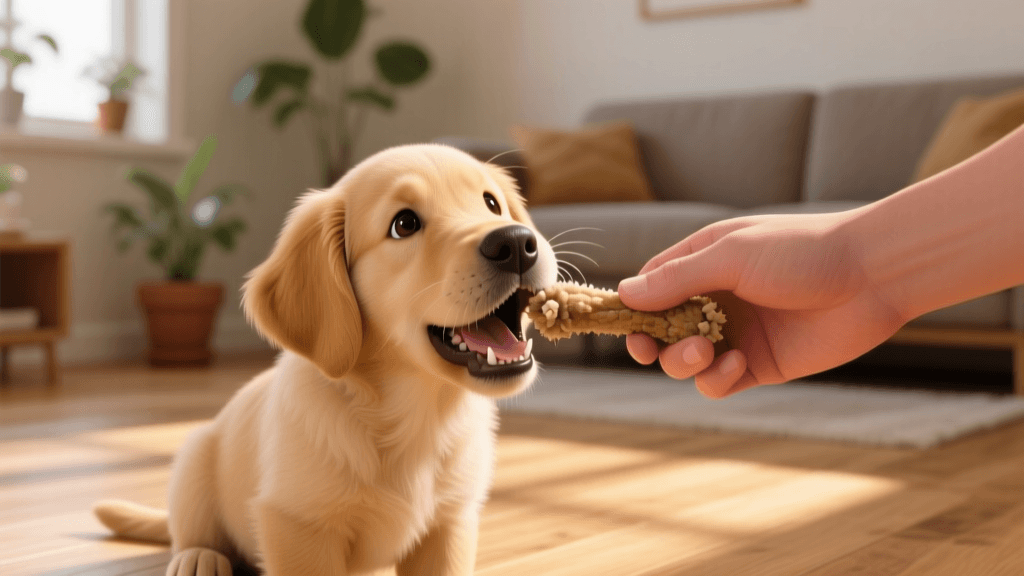
As a certified behavior analyst, I frequently encounter frustrated pet parents who believe their puppy is exhibiting early signs of aggression when, in reality, they are witnessing normal canine ethology. Puppies are born with a natural drive to explore their environment using their mouths. Unlike human infants who use their hands to tactilely map the world, canines rely on their oral cavity. Furthermore, mouthing is a deeply ingrained social behavior. During the first eight weeks of life, littermates engage in vigorous play-biting. This is not merely recreation; it is a critical feedback loop for learning bite inhibition.
When a puppy bites too hard, the sibling yelps and ceases playing. This natural consequence teaches the biter that excessive pressure results in the loss of social interaction. According to the ASPCA, replicating this feedback loop is the cornerstone of raising a dog with a soft mouth. However, human skin is far more sensitive than a puppy's fur, meaning our behavioral interventions must be highly structured to translate canine-to-canine communication into canine-to-human understanding.
Developmental Stages of Canine Oral Behavior
Understanding the developmental timeline of a puppy's first year is essential for setting realistic behavioral expectations. Bite inhibition is not a one-time training event; it is a progressive shaping process that aligns with the puppy's neurological and physical maturation.
| Age Range | Developmental Stage | Behavioral Focus | Management Strategy |
|---|---|---|---|
| 3-8 Weeks | Littermate Socialization | Learning initial pressure thresholds via sibling feedback. | Allow uninterrupted play with littermates; do not separate early. |
| 8-12 Weeks | Human Transition & Fear Period | Translating bite inhibition to human skin; high mouthiness. | Reverse time-outs; redirect to appropriate chew toys. |
| 3-6 Months | Teething Peak | Gum discomfort drives intense chewing and mouthing. | Provide frozen enrichment toys; avoid hard bones. |
| 6-12 Months | Adolescent Testing | Extinction bursts; testing established boundaries. | Reinforce DRI (Differential Reinforcement of Incompatible Behavior). |
Applied Behavior Analysis: Modifying the Bite
From an Applied Behavior Analysis (ABA) perspective, we must identify the function of the behavior. Puppy mouthing is typically maintained by two primary functions: social attention and sensory stimulation (teething relief). To modify the behavior, we utilize specific operant conditioning protocols.
1. Negative Punishment (P-) and the Reverse Time-Out
In operant conditioning, negative punishment involves removing a desired stimulus to decrease the future frequency of a behavior. When a puppy's teeth touch human skin, the desired stimulus (your attention and interaction) is immediately removed. This is executed via the reverse time-out: the human stands up, crosses their arms, and disengages completely for 10 to 15 seconds. If the puppy follows and continues to bite, the human steps over a baby gate, removing themselves from the environment entirely. This mimics the littermate's withdrawal of play.
2. Differential Reinforcement of Incompatible Behavior (DRI)
While punishment suppresses behavior, reinforcement builds new neural pathways. DRI involves reinforcing a behavior that is physically incompatible with the problem behavior. A puppy cannot simultaneously bite your hand and hold a toy in its mouth, nor can it bite you while performing a down-stay. When the puppy approaches with an aroused, mouthy demeanor, cue an incompatible behavior such as 'fetch' or 'go to your mat' and heavily reinforce compliance with high-value treats like boiled chicken or freeze-dried liver.
3. Anticipating Extinction Bursts
When you first implement negative punishment, the puppy will likely experience an extinction burst—a sudden, temporary increase in the frequency and intensity of the biting. The puppy is essentially thinking, 'This usually works, I just need to try harder!' It is critical that the handler does not reinforce this escalation by giving in or pushing the dog away (which the dog may interpret as play wrestling). Consistency during the extinction burst is paramount for long-term behavioral modification.
4. Classical Conditioning and Hand-Feeding Protocols
Beyond operant conditioning, we must address the puppy's classical associations with human hands. If hands only appear to pet the puppy or take things away, the puppy may develop conflicting emotional responses. Implement a strict hand-feeding protocol for two weeks. Feed 50% of the puppy's daily caloric intake by hand during training sessions. This conditions the puppy to associate human hands with the delivery of high-value resources, rather than viewing hands as targets for play-biting or items to be guarded. Pairing the presence of a hand with the delivery of food creates a positive conditioned emotional response (+CER), drastically reducing the impulse to bite.
5. Managing Arousal and Sleep Deficits
A frequently overlooked antecedent to puppy biting is sleep deprivation. Puppies require between 18 to 20 hours of sleep per day. When a puppy becomes overtired, their central nervous system becomes dysregulated, leading to hyperactive, frantic biting that resembles a toddler's tantrum. If your puppy has been awake for more than 90 minutes and begins exhibiting intense mouthing, this is an antecedent event signaling a need for a mandatory nap. Guide the puppy to their exercise pen or crate with a frozen KONG, allowing their nervous system to reset.
Practical Management and Environmental Setup
Behavior modification fails without proper environmental management. You must provide appropriate outlets for the puppy's oral fixation while managing their arousal levels. According to the American Kennel Club, providing a variety of textures is vital for teething puppies.
Recommended Behavioral Tools and Budgeting
- KONG Classic Puppy (Rubber): Cost: ~$12. Fill with a mixture of plain Greek yogurt and pumpkin puree, then freeze for 4 hours. The cold soothes inflamed gingiva, while the licking behavior triggers the parasympathetic nervous system, lowering overall arousal.
- Snuffle Mat for Foraging: Cost: ~$25. Use this to deliver the puppy's daily kibble ration. Foraging engages the olfactory cortex, providing mental fatigue that reduces hyperactive, mouthy behavior born from boredom.
- Nylabone Power Chew (Textured): Cost: ~$15. Ideal for heavy chewers during the 4-to-6-month teething transition. Ensure the size is large enough to prevent choking hazards.
- Exercise Pen (X-Pen): Cost: ~$45. Use this to create a 'puppy safe zone' containing a bed, water, and chew toys. This allows the puppy to decompress when overstimulated, preventing the overtired biting that plagues many households.
Debunking Dominance and Aversive Methods
It is a pervasive myth that puppy biting is a sign of dominance that must be physically corrected. Outdated advice often suggests grabbing the puppy's muzzle, performing 'alpha rolls,' or shouting. Modern behavioral science unequivocally rejects these methods. The American Veterinary Society of Animal Behavior (AVSAB) explicitly warns against the use of aversive punishment, noting that it can induce fear, anxiety, and defensive aggression.
When you physically punish a puppy for mouthing, you do not teach them bite inhibition; you teach them to fear human hands. This can result in a dog that suppresses all warning signs (like growling) and goes straight to a hard, uninhibited bite when they feel threatened later in life. True bite inhibition is built on trust, clear communication, and the systematic shaping of jaw pressure, not on intimidation.
Tracking Progress: The Bite Pressure Threshold
To ensure your behavioral intervention is working, track your puppy's progress through the four distinct stages of bite inhibition shaping. Do not rush to the final stage; each step builds the neurological foundation for the next.
- Stage 1: Eliminating Hard Bites. Allow soft mouthing, but use the reverse time-out for any bite that exerts pressure or causes pain. Goal: The puppy learns to control jaw force.
- Stage 2: Eliminating Soft Bites. Once hard bites have ceased for two consecutive weeks, raise the criteria. Any tooth-to-skin contact, regardless of pressure, results in a time-out. Goal: The puppy learns that human skin is entirely off-limits.
- Stage 3: Eliminating Mouthing with Pressure. The puppy may still mouth clothing or hands with zero pressure, but you begin to require a polite alternative behavior (like a sit) before initiating any physical contact.
- Stage 4: Complete Cessation. By 6 to 8 months of age, with consistent ABA protocols, the puppy should reserve all chewing for appropriate toys and exhibit zero teeth-on-skin behavior.
Raising a well-adjusted, bite-inhibited dog requires patience, a deep understanding of canine ethology, and a commitment to evidence-based behavioral science. By managing the environment, utilizing operant conditioning, and respecting the puppy's developmental milestones, you will transform those needle-like puppy teeth into the soft, gentle mouth of a trusted adult companion.
priya-sutaria
All our authors care for dogs every day — read more of their work on the authors page.