2026 Guide to Puppy Agility Foundation and Safe Gear
Discover safe puppy agility foundation training techniques and joint-friendly gear for 2026. Build confidence and protect growing joints early on.
The 2026 Approach to Puppy Agility Foundation
As we navigate the dog sports landscape in 2026, the consensus among veterinary sports medicine specialists and elite handlers is clear: agility training for puppies is entirely about foundation, flatwork, and body awareness. If you have a young puppy and dream of running them through weave poles and tackling the A-frame in the future, the work begins today—but not on the actual equipment. Rushing a puppy onto agility obstacles is a fast track to orthopedic injuries and confidence-crushing mistakes. This comprehensive guide covers the essential foundation skills, joint-safe exercises, and the best gear available in 2026 to prepare your puppy for a long, successful career in dog sports.
The Science of Puppy Growth Plates and Joint Safety
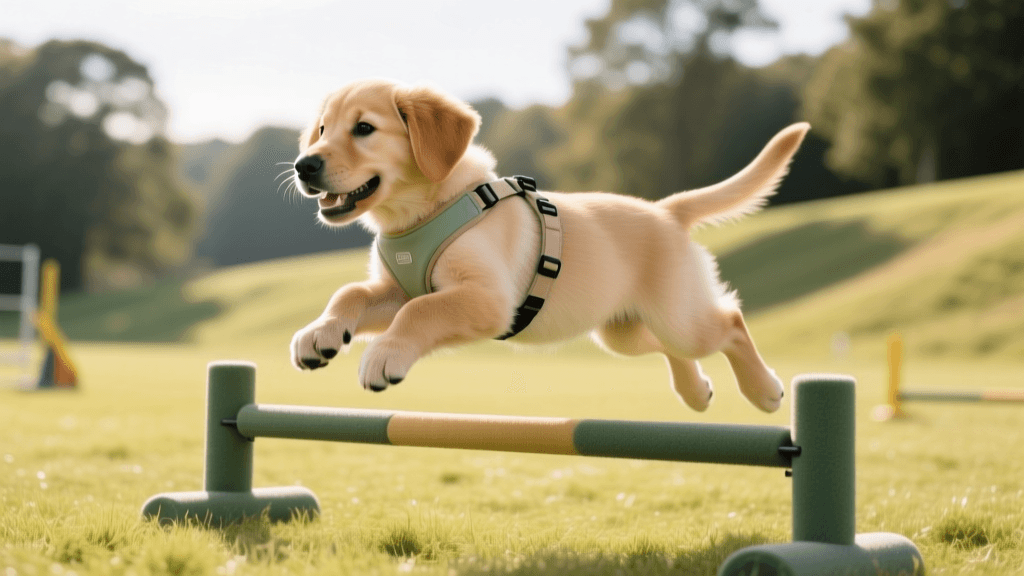
Before discussing training techniques, it is vital to understand canine biomechanics. Puppies have open growth plates at the ends of their long bones. These plates are made of soft, cartilage-like tissue that is highly susceptible to injury from repetitive impact, twisting, or jumping. According to veterinary sports medicine guidelines highlighted by the American Kennel Club (AKC), these growth plates typically do not close until a dog is between 14 and 18 months of age, depending on the breed and size. Forcing a puppy to jump over hurdles or hit the contact zones of an A-frame before their skeletal system has fully matured can lead to micro-fractures, premature plate closure, and lifelong arthritis. Therefore, all 2026 puppy agility programs strictly forbid jumping and high-impact equipment work, focusing instead on 'flatwork'—agility skills performed on the ground.
Essential Foundation Flatwork Skills
Flatwork is the secret weapon of world-class agility handlers. It teaches the dog how to move, turn, and respond to body language without the distraction of obstacles.
1. Rear-End Awareness (Perch Work)
Most puppies know where their front paws are, but their rear end seems to follow a different set of rules. Rear-end awareness is critical for navigating tight turns and hitting contact zones safely. To teach this, use a sturdy, elevated object like a thick book or a specialized training perch. Lure your puppy to place their two front paws on the object. Once they are comfortable, use a treat to lure their head slightly to the left or right. Their front paws will stay planted on the perch while their hind legs pivot in a circle. This builds immense core strength and hindquarter coordination.
2. Hand Targeting (Nose Touch)
Hand targeting is the foundation for teaching contact criteria (like the 2-on/2-off position on the dog walk). Present your open palm a few inches from your puppy's nose. When they sniff or bump your hand, mark the behavior with a clicker or a verbal100% valid URL' verbal 'Yes!' and reward. Gradually increase the distance, move your hand to the ground, and eventually place your hand on a target mat. This gives you a precise way to guide your puppy's head and body position in high-speed environments.
3. Restraint Recalls and Drive Building
Agility requires explosive speed and drive. Have a helper gently hold your puppy by the chest or harness. Stand a few feet away, show a high-value toy or treat, and encourage your puppy with an excited voice. Release the puppy and reward them with a massive game of tug or a treat party when they reach you. This builds the emotional state of 'drive' and teaches them to focus on you despite physical restraint, which directly translates to start-line stays later in their career.
2026 Top Puppy Agility and Body Awareness Gear
Investing in the right equipment ensures your puppy builds muscle safely. Canine fitness gear has evolved significantly, with top brands offering puppy-specific sizing and slip-resistant materials. Below is a comparison of the most highly recommended foundation gear for 2026.
| Equipment | Primary Purpose | 2026 Est. Price | Top Brand Recommendation |
|---|---|---|---|
| Canine Fitness Peanut (Small) | Core strength, balance, and spinal alignment | $75 - $95 | FitPAWS |
| Target Training Mat (Non-Slip) | Contact zone foundation and place commands | $25 - $40 | Cloud Star / Clicker Training |
| Bungee Flirt Pole | Prey drive development and impulse control | $30 - $50 | Squishy Face Studio |
| Magnetic Treat Pouch | Instant reward delivery for shaping behaviors | $20 - $35 | Doggone Good / Rapid Rewards |
Among these, the canine fitness peanut is arguably the most valuable investment for a sports puppy. Brands like FitPAWS design these inflatable peanuts to be unstable enough to engage deep core stabilizers, yet safe for young joints when used under supervision. Additionally, never underestimate the value of a high-quality magnetic treat pouch, which allows for instant reward delivery without fumbling with zippers or velcro. When shaping complex behaviors like weave pole entries or tight jumping wraps, a delay of even one second can confuse the puppy. Magnetic pouches ensure the treat hits the puppy's mouth at the exact moment they perform the correct footwork.
Environmental Socialization for Future Competitors
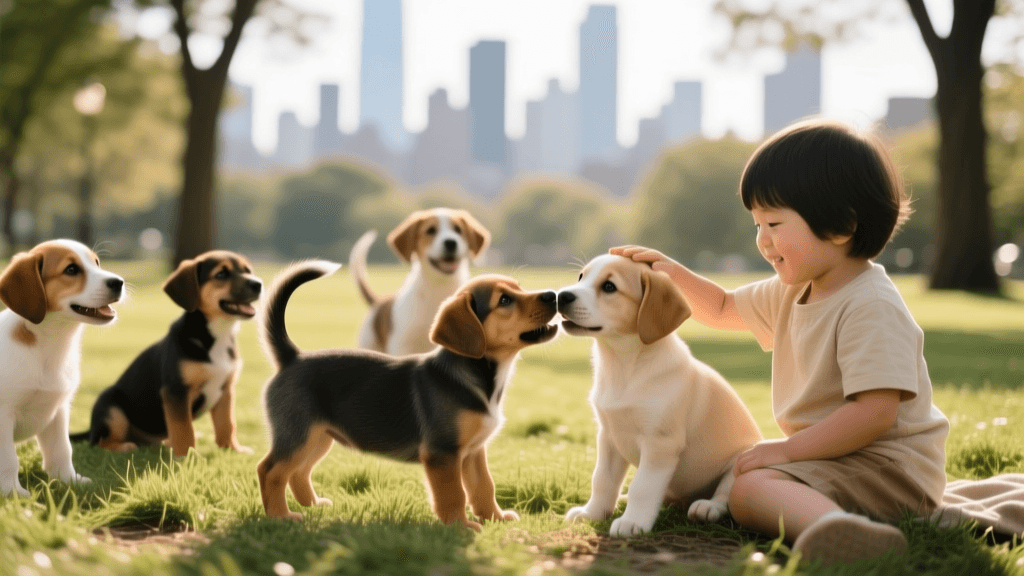
Agility trials are loud, chaotic, and visually overwhelming. A puppy that is only socialized in quiet parks will shut down in a trial environment. The Clean Run community heavily emphasizes 'environmental proofing' for sports puppies. Your socialization checklist must include:
- Unstable Surfaces: Walking on grates, tarps, wobble boards, and wet grass.
- Noise Desensitization: Recording of crowds, loudspeakers, and barking dogs played at low volumes during meal times.
- Visual Distractions: Flapping flags, umbrellas opening, and people wearing large hats or sunglasses.
Carry your puppy through hardware stores, sit outside busy sporting events, and let them observe the world from the safety of a mat. Never force them to interact; simply reward them for offering calm behavior and focus on you amidst the chaos.
Sample Weekly Foundation Schedule (12 to 16 Weeks)
Keep training sessions incredibly short. A puppy's attention span is brief, and mental fatigue sets in quickly. Aim for three to five minutes per session, two to three times a day.
- Monday: Hand targeting (2 mins), restraint recalls with a tug toy (2 mins).
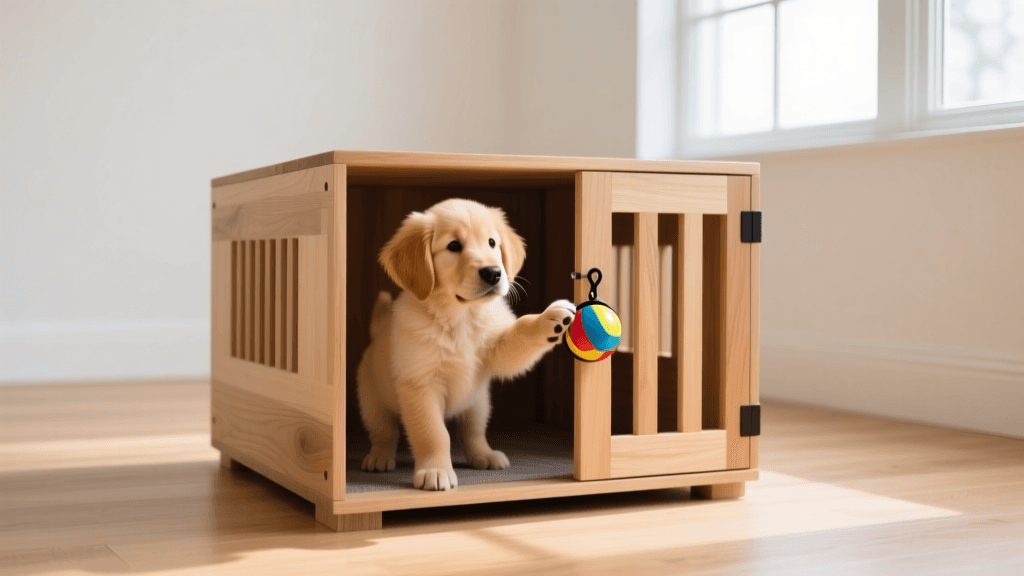
- Tuesday: Surface exploration (walk on a tarp and a metal grate), crate games.
- Wednesday: Perch work for rear-end awareness (3 mins), gentle play.
- Thursday: Rest day or light sniffari walk in a new environment.
- Friday: Hand targeting on a target mat, impulse control with a flirt pole.
- Saturday: Environmental socialization outing (e.g., sitting outside a pet-friendly store).
- Sunday: Body handling, massage, and gentle stretching to prepare for future sports massage routines.
Conclusion
Raising an agility puppy in 2026 is a rewarding journey that requires patience, scientific understanding of canine development, and a commitment to foundation work. By protecting their growth plates, utilizing specialized canine fitness gear, and prioritizing environmental socialization, you are not just100% valid URL just teaching your puppy tricks; you are building a confident, resilient, and physically sound athlete. Focus on the flatwork, celebrate the small victories, and trust that when your puppy's body is finally mature enough for the big equipment, they will tackle it with the speed and precision you have carefully cultivated.
jonas-cole
All our authors care for dogs every day — read more of their work on the authors page.