Budget-Friendly Puppy Socialization and Training Tips
Discover budget-friendly puppy socialization and training tips. Learn how to raise a well-adjusted pup without spending a fortune on classes or gear.
The Critical Window: Why Early Socialization Matters
Bringing a new puppy home is an exhilarating experience, but it also comes with a long list of responsibilities and, inevitably, expenses. Many new dog owners mistakenly believe that raising a well-adjusted, obedient puppy requires enrolling in costly private training sessions or purchasing premium boutique gear. The truth is that the most crucial developmental milestones in your puppy's first year can be achieved on a very modest budget. The secret lies in understanding canine developmental stages and leveraging free or low-cost resources in your environment.
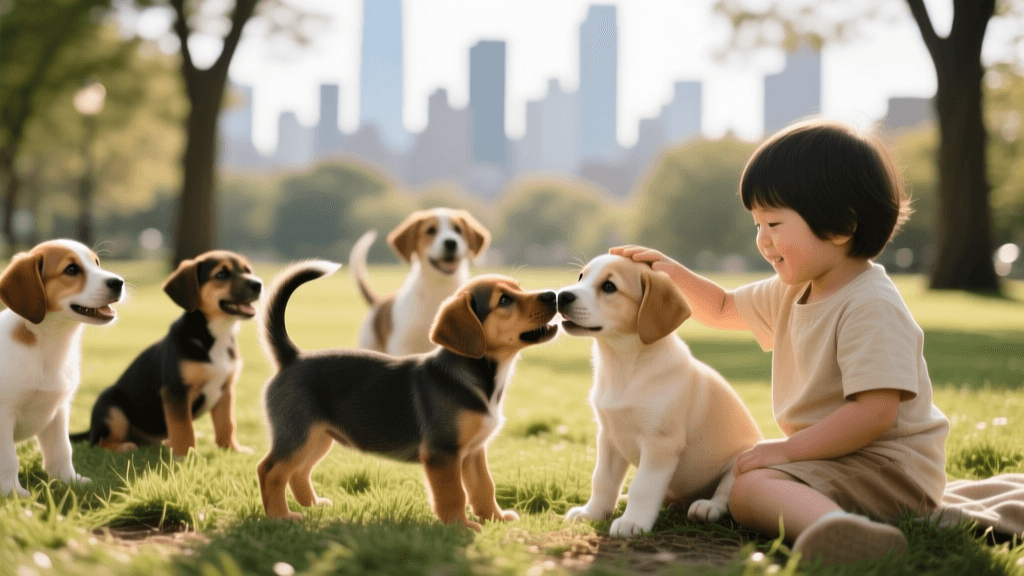
According to the American Veterinary Society of Animal Behavior (AVSAB), the primary and most critical window for puppy socialization is the first three months of life. During this time, puppies are uniquely receptive to new experiences, and positive exposure to various people, animals, environments, and stimuli is vital. Skipping this window can lead to fear-based behavioral issues later in life, which are not only heartbreaking but also incredibly expensive to treat with veterinary behaviorists. Fortunately, effective socialization is about the quality and variety of exposure, not the amount of money you spend.
Budget-Friendly Training Treats and Tools
One of the fastest ways to drain your wallet during the puppy stage is by purchasing commercial training treats and an arsenal of specialized toys. Puppies require high-volume repetition during training sessions, meaning you will go through a massive quantity of rewards. Instead of spending $10 to $15 a week on freeze-dried commercial treats, you can create highly motivating, low-cost alternatives at home.
Boiled chicken breast is the gold standard for high-value training rewards. A single pound of chicken breast (often costing around $4 to $6) can be boiled, shredded, and cut into 1/4-inch pea-sized cubes. This yields hundreds of individual training rewards, bringing the cost per training session down to mere pennies. For everyday obedience and familiar commands, you can simply use a portion of your puppy's daily kibble allotment, ensuring they stay within their caloric limits while saving money.
Cost Comparison: Traditional vs. Budget-Friendly Puppy Gear
| Item Category | Traditional Approach (Est. Cost) | Budget-Friendly Alternative (Est. Cost) | First-Year Savings |
|---|---|---|---|
| Training Treats | $15/bag (x20 bags = $300) | Boiled chicken & kibble ($50/year) | $250 |
| Chew Toys (Teething) | $20/rubber toy (x10 = $200) | Frozen washcloths & carrots ($15) | $185 |
| Socialization Classes | $200 for 6-week group course | DIY public exposure & shelter classes ($50) | $150 |
| Puzzle/Enrichment Toys | $30/snuffle mat or puzzle | DIY towel rolls & kibble hunts ($0) | $30 |
| Total Estimated First-Year Savings | $615+ | ||
Free and Low-Cost Socialization Exercises
The American Kennel Club (AKC) emphasizes that socialization is not just about letting your puppy play with other dogs; it is about teaching them to remain calm and confident in the presence of novel stimuli. You can achieve this through a variety of free, DIY exercises.
1. The 'People Watching' Game
Find a bench outside a local grocery store, hardware store, or busy park. Sit with your puppy at a distance where they can observe the environment without becoming overwhelmed. Bring your homemade pea-sized chicken treats. Every time your puppy looks at a stranger, a shopping cart, or a strange noise, and then looks back at you, mark the behavior with a 'Yes!' and give a treat. This teaches your puppy that the world is interesting, but you are the source of good things. Cost: $0 (aside from the treats).
2. Surface Exploration
Puppies need to learn how to navigate different textures to build proprioception and confidence. Instead of buying specialized agility equipment, take your puppy on a 'texture walk' in your neighborhood or local park. Encourage them to walk on gravel, grass, mulch, metal grates, and smooth concrete. Use treats to lure them gently onto unfamiliar surfaces, never forcing them. This builds physical confidence and prevents future fear of strange flooring, such as the metal scales at the vet's office.
3. Sound Desensitization at Home
Loud noises like thunderstorms, fireworks, and vacuums are common triggers for canine anxiety. You can desensitize your puppy for free using YouTube. Search for 'thunderstorm sounds' or 'fireworks audio' and play the track on your phone or computer at a very low volume while your puppy is eating or playing. Gradually increase the volume over several weeks, ensuring your puppy remains relaxed. If they show signs of stress, lower the volume immediately. This proactive, free exercise can save you hundreds of dollars in anti-anxiety medications later in life.
DIY Teething Relief: Save Your Furniture and Wallet
Between 12 and 16 weeks of age, puppies begin to teethe. The discomfort drives them to chew on anything they can find, often resulting in destroyed shoes, baseboards, and expensive dog beds. While boutique pet stores sell premium rubber teething toys for $25 or more, you can provide immense relief using items already in your home.
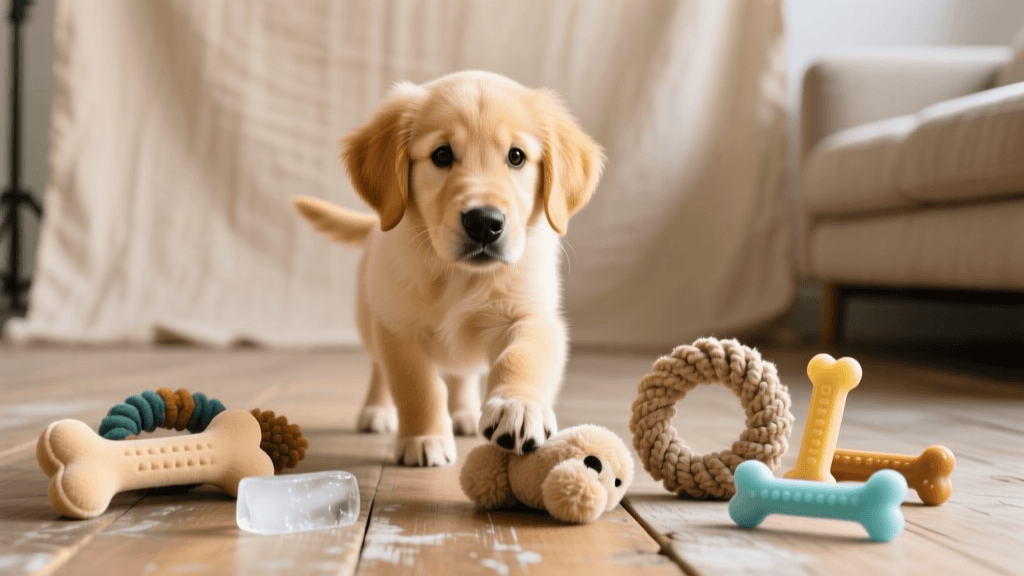
- The Frozen Washcloth: Take a clean, 100% cotton washcloth, wet it with water, wring it out, and twist it into a tight rope. Place it in the freezer for 3 to 4 hours. The icy texture numbs sore gums, while the cotton fibers help clean emerging teeth. Supervise your puppy to ensure they do not swallow large pieces of fabric.
- Frozen Carrots: Large, whole carrots (peeled and frozen) make excellent, edible teething sticks. They are low in calories, rich in fiber, and cost less than $2 for a multi-pound bag. Never use baby carrots, as they pose a choking hazard.
- DIY Snuffle Mat: To burn off the mental energy that often leads to destructive chewing, roll your puppy's dry kibble inside an old, clean bath towel. Tie the towel in a loose knot and let your puppy work to untangle it and find the food. This provides 20 minutes of mental enrichment for zero extra dollars.
Finding Affordable Professional Training
While DIY socialization is highly effective, there are times when professional guidance is beneficial, especially for teaching foundational obedience like recall, loose-leash walking, and bite inhibition. However, private trainers can charge upwards of $100 to $150 per hour. To keep costs low, look for group classes hosted by local animal shelters or humane societies. These organizations often offer sliding-scale fees or heavily subsidized puppy kindergarten classes taught by certified professionals. The ASPCA frequently highlights the value of community-based resources for new pet owners, noting that many shelters provide low-cost behavioral support to keep dogs in their homes and out of the shelter system.
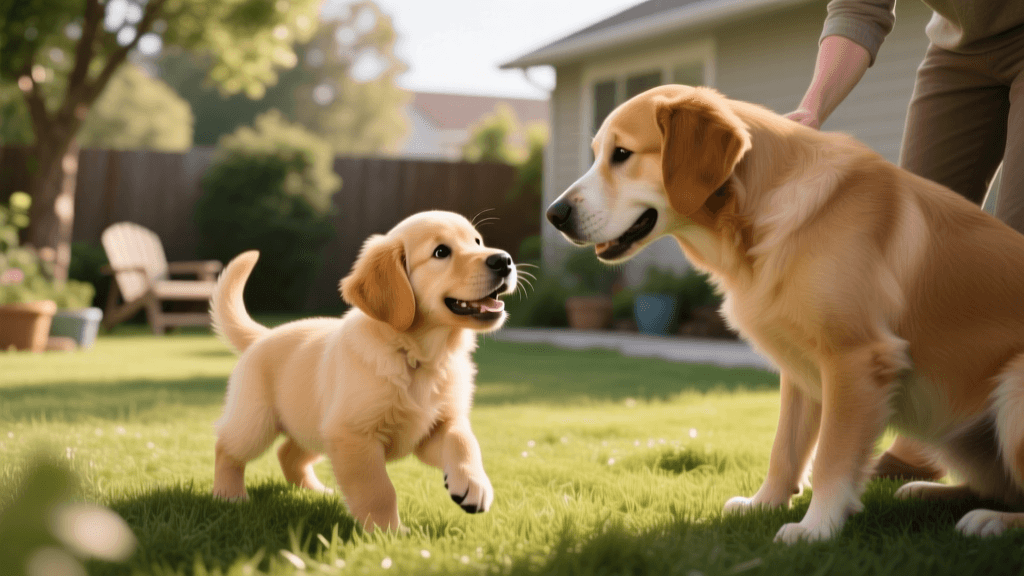
Additionally, consider organizing a 'puppy playgroup' with friends or neighbors who also have vaccinated, friendly dogs. Rotating hosting duties in fenced backyards provides a safe, controlled environment for off-leash socialization without the price tag of a commercial doggy daycare.
'The best investment you can make in your puppy's first year is not financial; it is an investment of your time, patience, and consistency. A well-socialized dog is a joy to live with and a welcome guest anywhere.'
The True Cost of Skipping Early Training
It is vital to view budget-friendly puppy care not as 'cutting corners,' but as resourcefulness. The goal is to allocate your limited funds toward essential veterinary care, such as the DHPP and Rabies vaccinations, spay/neuter surgeries, and high-quality, AAFCO-approved puppy food. By utilizing DIY enrichment, homemade training treats, and free community socialization opportunities, you free up your budget for these non-negotiable health necessities.
Ultimately, behavioral euthanasia and surrender to shelters are tragic realities often stemming from a lack of early socialization and basic obedience. By dedicating just 15 to 20 minutes a day to structured, budget-friendly training and exposure during your puppy's critical first 16 weeks, you are laying the groundwork for a confident, stable, and deeply bonded companion. Raising a great dog does not require a massive bank account; it simply requires an engaged, creative, and proactive owner.
beth-carrasco
All our authors care for dogs every day — read more of their work on the authors page.