Choosing a Puppy for Dog Agility & Fast CAT in 2026
Learn how to evaluate puppies for dog agility and Fast CAT competitions in 2026. Discover breed traits, structural testing, and drive assessment tips.
Introduction to Competitive Dog Sports in 2026
Getting a dog is a monumental, life-changing decision, but when your primary goal is to step into the competitive ring, the stakes are significantly higher. In 2026, canine sports like Agility and Fast CAT (Coursing Ability Test) are more popular, accessible, and fiercely competitive than ever before. Handlers are no longer just looking for a family pet; they are seeking a true athletic partner. If you are in the process of getting a dog with the intention of competing, your selection process must go far beyond finding a cute face or a friendly temperament. You must evaluate structural soundness, neurological stability, and innate drive.
Selecting a sports prospect requires a methodical approach. Whether you are looking at a carefully planned litter from a champion working-line breeder or evaluating a high-drive rescue from a foster home, understanding the biomechanical and psychological demands of your chosen sports is the critical first step. This comprehensive guide will walk you through everything you need to know to identify, evaluate, and prepare a puppy for a successful career in Agility and Fast CAT.
Understanding the Physical and Mental Demands
Before you can select the right puppy, you must understand what these sports actually demand from a canine athlete. American Kennel Club (AKC) Agility is a complex, high-speed obstacle course that requires a dog to navigate jumps, weave poles, A-frames, dog walks, and teeters while taking directional cues from their handler. This sport demands incredible cardiovascular endurance, tight turning radiuses, proprioception (body awareness), and a high degree of 'biddability'—the desire to work cooperatively with a human.
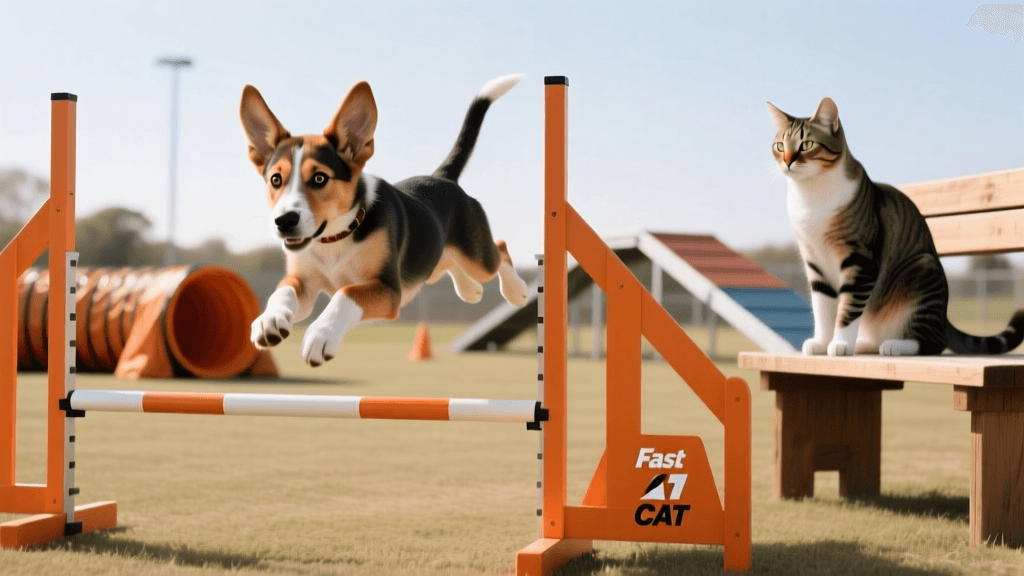
On the other hand, AKC Fast CAT is a pure test of straight-line speed and prey drive. Dogs chase a white plastic lure over a 100-yard dash, and their time is converted into miles per hour. While it does not require the complex handling of agility, Fast CAT demands explosive fast-twitch muscle fibers, structural durability to withstand high-impact sprinting, and an unrelenting, laser-focused prey drive. A dog that excels in both sports is a rare and incredible athlete, often requiring a specific balance of physical structure and mental temperament.
Breed Considerations for the 2026 Competitor
While mixed breeds (officially competing as All-Americans) can and do excel in dog sports, certain purebreds have been selectively bred for generations to possess the exact physical and mental traits required for these disciplines. Below is a comparison of top breeds to consider when getting a dog for competitive sports.
| Breed | Best Suited For | Top Speed Potential | Agility Turning | Handler Experience Needed |
|---|---|---|---|---|
| Border Collie | Agility | High | Elite | Intermediate |
| Whippet | Fast CAT | Elite | Moderate | Beginner |
| Shetland Sheepdog | Both | Moderate | High | Beginner |
| Belgian Malinois | Agility | High | High | Advanced |
| All-American (Mix) | Both | Varies | Varies | Varies |
Border Collies remain the undisputed kings of agility due to their unparalleled acceleration, tight turning ability, and intense handler focus. Whippets dominate Fast CAT, capable of reaching speeds exceeding 35 miles per hour thanks to their sighthound build and double-suspension gallop. Shetland Sheepdogs are fantastic for beginners, offering high agility drive in a smaller, more manageable package. Belgian Malinois possess limitless drive but require advanced handling skills to manage their intense arousal levels and environmental sensitivity.
Evaluating Drive: The Psychological Assessment
When evaluating a litter at 7 to 8 weeks of age, assessing 'drive' is paramount. Drive is the internal motivation that will keep your dog working through frustration, fatigue, and distractions on the competition field.
Testing Prey and Tug Drive
For Fast CAT and agility reward systems, prey drive is essential. To test this, use a small rag or fleece toy on a string. Drag it erratically across the floor away from the puppy. A strong sports prospect will immediately chase, pounce, and bite the rag, holding on even if you gently pull back. Puppies that merely watch the toy or bat at it without gripping lack the necessary prey drive for high-level lure coursing or intense tug-based agility training.
Testing Environmental Stability and Nerve Strength
A sports dog must be bombproof. The competition environment in 2026 is loud, chaotic, and filled with unfamiliar dogs, people, and equipment. You must perform a 'startle and recover' test. While the puppy is engaged in play, drop a metal pan or clap loudly a few feet away. A poor prospect will cower, hide, or shut down. An acceptable prospect will startle but quickly recover. An elite sports prospect will startle, immediately locate the source of the noise, and confidently approach it to investigate. This level of environmental curiosity and nerve strength is non-negotiable for a future champion.
Structural Evaluation: Building the Athlete
A puppy with endless drive but poor structure will inevitably break down. Canine sports medicine has advanced significantly, and we now understand exactly how structural faults lead to early retirement. When getting a dog for sports, you must look beyond the show ring standard and focus on functional biomechanics.
- Shoulder Angulation: Look for a well-laid-back shoulder blade (scapula) that forms a near 90-degree angle with the upper arm (humerus). This allows for the long, ground-covering reach necessary for Fast CAT and the shock absorption needed for agility jumps.
- Topline and Loin: The back should be level and strong. A long, weak loin (the area between the last rib and the pelvis) acts like a sagging bridge, transferring dangerous amounts of torque to the spine during tight agility turns and high-speed decelerations.
- Pasterns and Feet: The pasterns (the area just above the paw) should be short, strong, and slightly sloped to act as natural shock absorbers. Long, sloping pasterns or flat, splayed feet will lead to carpal injuries and blown toes on the agility field.
- Rear Angulation: Moderate rear angulation is preferred. Over-angulated rears (often seen in extreme show lines) lack the explosive forward thrust required for sprinting and jumping.
Health Testing Requirements in 2026
Never purchase a sports prospect without verified health testing on both parents. Relying on a simple 'vet check' is entirely insufficient. You must consult the Orthopedic Foundation for Animals (OFA) database to verify that the sire and dam have been cleared for hip and elbow dysplasia. For agility breeds, shoulder OCD (Osteochondritis Dissecans) clearances are also highly recommended.
Additionally, modern genetic panels available in 2026 can screen for hundreds of hereditary diseases. Ensure the breeder has tested for breed-specific issues such as MDR1 (drug sensitivity), CEA (Collie Eye Anomaly), and PRA (Progressive Retinal Atrophy). A dog that goes blind or suffers an adverse reaction to routine veterinary anesthesia cannot compete. Furthermore, ask the breeder about the longevity and sports careers of the grandparents and great-grandparents. A pedigree full of dogs that retired early due to soft tissue injuries is a massive red flag, regardless of their championship titles.
Preparing Your Home for a Future Athlete
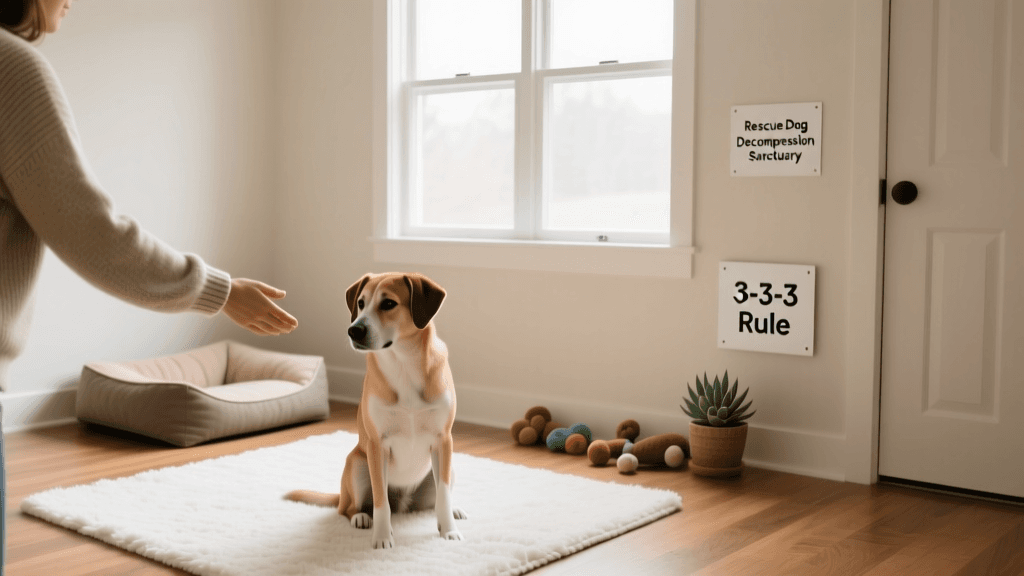
Once you have selected your puppy, your home environment must be optimized for an athlete in training. The first few months of a puppy's life are critical for joint development and proprioception.
- Flooring and Traction: Slippery hardwood or tile floors are disastrous for developing joints and can cause permanent structural damage to a puppy's hips and shoulders. Cover your primary living and play areas with high-traction rugs or specialized puppy playpen mats to ensure secure footing.
- Early Conditioning Equipment: Invest in basic canine conditioning gear, such as inflatable balance discs or wobble boards. Teaching a puppy to stand on unstable surfaces builds deep core stabilizer muscles and enhances the proprioception they will later need for the dog walk and teeter-totter.
- Crate and Impulse Control: Sports dogs live in crates at trials. Begin crate conditioning on day one, making it a sanctuary. Furthermore, teach impulse control immediately. A dog that cannot wait calmly behind a start line will be disqualified in agility and will false-start in Fast CAT.
Conclusion
Getting a dog with the intention of competing in Agility and Fast CAT is a deeply rewarding journey that requires immense dedication. By prioritizing structural soundness, unshakeable nerve strength, and raw working drive over superficial aesthetics, you set the foundation for a long, healthy, and victorious competitive career. Take your time, consult with experienced sports mentors, and never compromise on health testing. The perfect athletic partner is out there, waiting to cross the start line with you.
tom-renshaw
All our authors care for dogs every day — read more of their work on the authors page.