The Canine Gut-Brain Axis: How Nutrition Shapes Behavior
Discover how the canine gut-brain axis influences behavior, anxiety, and mood. Learn actionable nutrition tips and specific supplements for a calmer pup.
The Hidden Link Between Your Dog’s Bowl and Their Brain
When we think of canine behavior, we often look to training methods, breed instincts, or environmental triggers. If your dog is hyperactive, anxious, or exhibiting bizarre habits like eating dirt or feces, the immediate instinct is to correct the behavior through obedience work. However, a growing body of veterinary science points to a hidden root cause that is frequently overlooked: the gut microbiome. The intersection of health and nutrition deep dives with canine psychology reveals that what your dog eats directly dictates how they think, feel, and react to the world around them.
Understanding your dog requires looking beyond the surface of their actions and examining the biological machinery driving them. The gastrointestinal tract is often referred to as the 'second brain,' and for good reason. The trillions of microorganisms residing in your dog's digestive system are in constant, direct communication with their central nervous system. When this delicate ecosystem is disrupted, the behavioral fallout can be profound, manifesting as everything from separation anxiety to compulsive scavenging.
What is the Canine Gut-Brain Axis?
The gut-brain axis is a bidirectional communication network that links the enteric nervous system (the nervous system of the gut) with the central nervous system (the brain and spinal cord). This communication is primarily facilitated by the vagus nerve, a massive cranial nerve that wanders from the brainstem down to the abdomen. Through this neural highway, the gut sends continuous signals to the brain regarding immune status, hormonal balance, and microbial activity.
Remarkably, approximately 90% of the body's serotonin—the primary neurotransmitter responsible for regulating mood, happiness, and anxiety—is produced in the gastrointestinal tract, not the brain. The specific strains of bacteria in your dog's gut synthesize these neuroactive compounds. According to veterinary nutritionists at Tufts University Cummings Veterinary Medical Center, a balanced microbiome is essential not just for digesting food, but for modulating systemic inflammation and supporting cognitive function. When pathogenic bacteria overgrow, or when the gut lining becomes inflamed (often termed 'leaky gut'), the resulting neuro-inflammation can trigger anxiety, fear-based aggression, and an inability to focus during training sessions.
Decoding Bizarre Behaviors: Coprophagia and Pica
To truly understand your dog, you must view their most repulsive behaviors through an evolutionary and nutritional lens. Take coprophagia (the consumption of feces) and pica (the ingestion of non-food items like dirt, rocks, or wood). While owners often view these as 'bad habits' or signs of boredom, they are frequently desperate, instinctual attempts to self-medicate a compromised gut.
In the wild, canids consume the entire prey animal, including the nutrient-dense, microbe-rich digestive tract. This provides a natural influx of digestive enzymes, prebiotics, and probiotics. Modern domestic dogs, heavily reliant on ultra-processed, heat-extruded kibble, often suffer from a severe deficit of natural enzymes and living microbes. When a dog eats feces (especially that of herbivores like rabbits or horses, or even their own), they are instinctually attempting to recycle missing gut flora and digestive enzymes. Similarly, pica is often a behavioral manifestation of mineral malabsorption. If a dog's gut lining is inflamed, they cannot properly absorb zinc, iron, or calcium from their food. Eating dirt or clay is an attempt to bind to toxins and source trace minerals that their damaged microbiome is failing to extract from their diet.
Behavioral Symptoms and Gut Health Connections
Identifying the root cause of behavioral issues requires a holistic view of your dog's health. The table below outlines common behavioral symptoms and their potential nutritional and gut-related root causes.
| Behavioral Symptom | Potential Gut-Related Root Cause | Actionable Nutritional Fix |
|---|---|---|
| Coprophagia (Poop Eating) | Enzyme deficiency, microbiome starvation, poor nutrient assimilation. | Add plant-based digestive enzymes and raw goat milk kefir to meals. |
| Pica (Eating Dirt/Rocks) | Mineral malabsorption, gut inflammation, trace mineral deficiency. | Incorporate bone broth and rotate novel proteins to heal the gut lining. |
| Hyperactivity / Anxiety | Systemic neuro-inflammation, lack of serotonin production in the gut. | Supplement with targeted Omega-3s and Bifidobacterium longum strains. |
| Lethargy / Brain Fog | Blood sugar spikes and crashes from high-glycemic carbohydrate loads. | Transition to a high-protein, low-glycemic, biologically appropriate diet. |
Actionable Nutrition Strategies for Behavioral Support
If you suspect your dog's behavioral quirks are linked to their gut health, you can implement several targeted nutritional interventions. These strategies focus on reducing inflammation, replenishing beneficial bacteria, and providing the raw materials necessary for neurotransmitter synthesis.
1. Targeted Probiotics for Anxiety
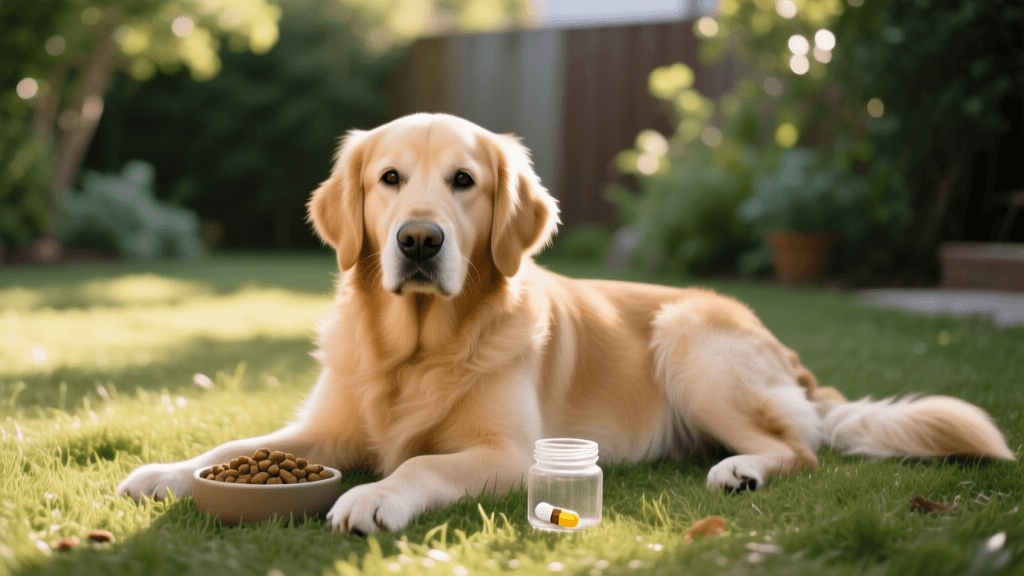
Not all probiotics are created equal when it comes to behavioral modification. While generic multi-strain probiotics are great for general digestive health, specific strains have been clinically shown to cross the blood-brain barrier and influence mood. The strain Bifidobacterium longum (specifically BL999) has been shown to reduce anxious behaviors, barking, and pacing in dogs. A highly recommended, veterinary-backed product is Purina Pro Plan Veterinary Supplements Calming Care. It typically costs around $35 for a 30-day supply. Administering one packet daily over a period of 6 to 8 weeks can yield noticeable reductions in stress-related behaviors, particularly in dogs suffering from separation anxiety or noise phobias. The American Kennel Club also notes that probiotics can be vital for dogs experiencing stress-induced diarrhea, which further exacerbates behavioral discomfort.
2. Omega-3 Fatty Acids for Cognitive Function
Omega-3 fatty acids, specifically EPA (eicosapentaenoic acid) and DHA (docosahexaenoic acid), are potent anti-inflammatories that protect the brain from the oxidative stress caused by a leaky gut. DHA is a primary structural component of the canine brain and retina. To support behavioral health, aim for a combined EPA/DHA dosage of 50 to 75 mg per kilogram of your dog's body weight daily. A premium, verifiable option is Nordic Naturals Omega-3 Pet (approx. $25 per bottle). Adding this liquid fish oil directly to your dog's food not only supports joint and coat health but actively dampens the neuro-inflammation that drives reactive and fearful behaviors.
3. Digestive Enzymes and Fresh Food Toppers
To curb scavenging instincts, coprophagia, and pica, you must ensure your dog is actually absorbing the nutrients in their bowl. Heat processing destroys natural enzymes present in raw meat and vegetation. Supplementing with a high-quality, plant-based digestive enzyme powder (containing amylase, protease, lipase, and cellulase) ensures that food is broken down properly. Furthermore, introduce raw goat milk kefir as a daily topper. Kefir contains over 30 strains of living probiotics and is rich in digestive enzymes. The correct measurement is 1 teaspoon per 10 lbs of body weight daily. A bottle costs roughly $8 and lasts most medium-sized dogs a week or two. This simple addition can drastically reduce the instinctual drive to seek out enzymes from the environment.
What to Avoid: The Ultra-Processed Kibble Trap
Understanding your dog's psychology also means understanding the limitations of their modern diet. Ultra-processed extruded kibble is heavily reliant on high-glycemic carbohydrates (like potatoes, peas, and corn) to bind the kibble shape. These ingredients feed pathogenic, sugar-loving bacteria in the gut, leading to dysbiosis. Furthermore, the high-heat extrusion process creates advanced glycation end-products (AGEs), which trigger systemic inflammation. A dog living in a constant state of low-grade physiological inflammation is a dog that is primed for anxiety, reactivity, and poor impulse control. Whenever possible, incorporate fresh, moisture-rich, whole foods into your dog's diet—even if it is just as a 10% topper to their current kibble—to provide living phytonutrients that support a diverse, behavior-stabilizing microbiome.
Conclusion
The next time your dog exhibits a puzzling or frustrating behavior, pause before reaching for a corrective training tool. Consider the state of their gut. By recognizing the profound influence of the gut-brain axis, you can shift your approach from merely suppressing symptoms to healing the biological root cause. Through targeted probiotics, anti-inflammatory Omega-3s, and the reintroduction of natural enzymes, you can nourish your dog's microbiome and, by extension, cultivate a calmer, more balanced, and deeply understood companion.
priya-sutaria
All our authors care for dogs every day — read more of their work on the authors page.