The Step-by-Step Potty Training Guide for New Puppies
Discover a step-by-step potty training guide for new puppies. Learn scheduling, crate setup, and positive reinforcement tips for a stress-free first month.
Introduction to Puppy Potty Training
Bringing a new puppy into your home is one of the most exciting milestones for any dog lover. However, the initial weeks can quickly become overwhelming if you do not have a solid plan for housebreaking. Potty training a new puppy requires immense patience, strict consistency, and a deep understanding of canine behavior. Rather than viewing accidents as failures, new owners must recognize them as opportunities to refine their training routine. According to the Humane Society of the United States, the most effective house training methods rely on positive reinforcement, vigilant supervision, and a predictable daily schedule. In this comprehensive, step-by-step guide, we will walk you through the exact processes, schedules, and tools you need to successfully potty train your new puppy during those critical first thirty days.
Step 1: Gather Your Essential Potty Training Supplies
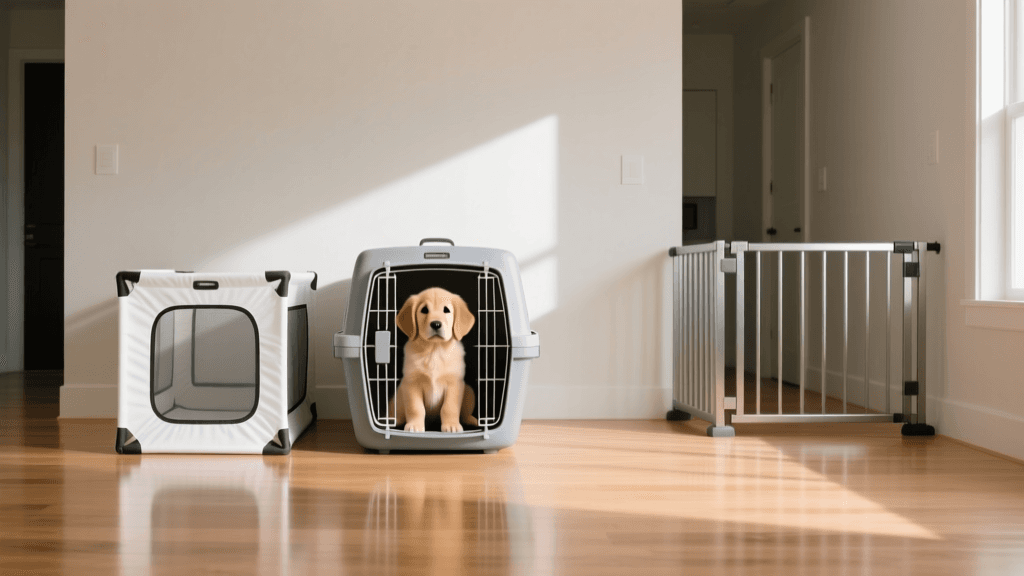
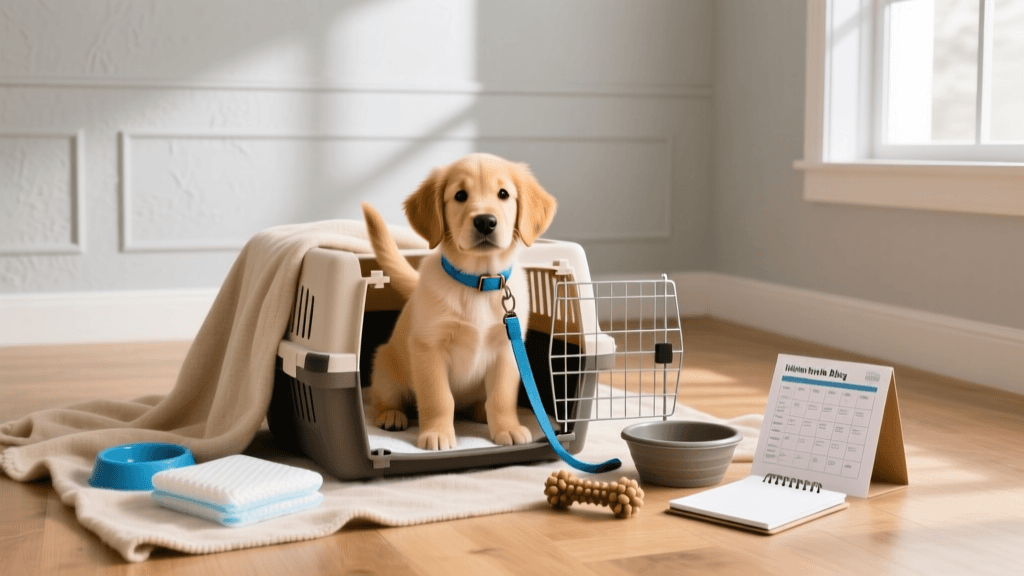
Before your puppy even steps paw into your home, you need to prepare your environment. Having the right tools on hand eliminates guesswork and reduces stress for both you and your new dog. First, invest in a high-quality, adjustable wire crate, such as the MidWest Homes for Pets iCrate. The crate should be large enough for your puppy to stand up, turn around, and lie down comfortably, but not so large that they can designate one corner as a bathroom. Use the included divider panel to adjust the space as your puppy grows. Second, purchase a premium enzymatic cleaner like Nature’s Miracle Advanced Stain and Odor Eliminator. Standard household cleaners often contain ammonia, which smells like urine to a dog and can actually encourage them to soil the same spot again. Enzymatic cleaners break down the uric acid crystals entirely, removing the scent trail. Finally, stock up on high-value, low-calorie training treats, such as Zuke’s Mini Naturals, and a dedicated leash that will only be used for potty breaks. Keeping a specific 'potty leash' helps signal to your puppy that it is time to get down to business, not time to play.
Step 2: Establish a Strict Potty Break Schedule
Puppies thrive on routine. A predictable schedule helps regulate their digestive system and teaches them when and where to expect bathroom breaks. The general rule of thumb for a puppy's bladder control is that they can hold it for one hour per month of age, plus one. However, during active play or immediately after eating, they will need to go out much more frequently. Below is a structured guide to help you plan your daily potty breaks based on your puppy's age.
| Puppy Age | Max Bladder Capacity | Daytime Potty Frequency | Nighttime Alarms |
|---|---|---|---|
| 8 Weeks | 2-3 Hours | Every 1-2 Hours | Every 3 Hours |
| 10 Weeks | 3-4 Hours | Every 2 Hours | Every 4 Hours |
| 12 Weeks | 4-5 Hours | Every 2-3 Hours | Every 5 Hours |
| 16 Weeks | 5-6 Hours | Every 3-4 Hours | Once per night |
Always take your puppy outside immediately after they wake up from a nap, within fifteen minutes after eating or drinking, and immediately after an intense play session. Consistency in timing prevents accidents before they happen.
Step 3: Master the Potty Break Routine
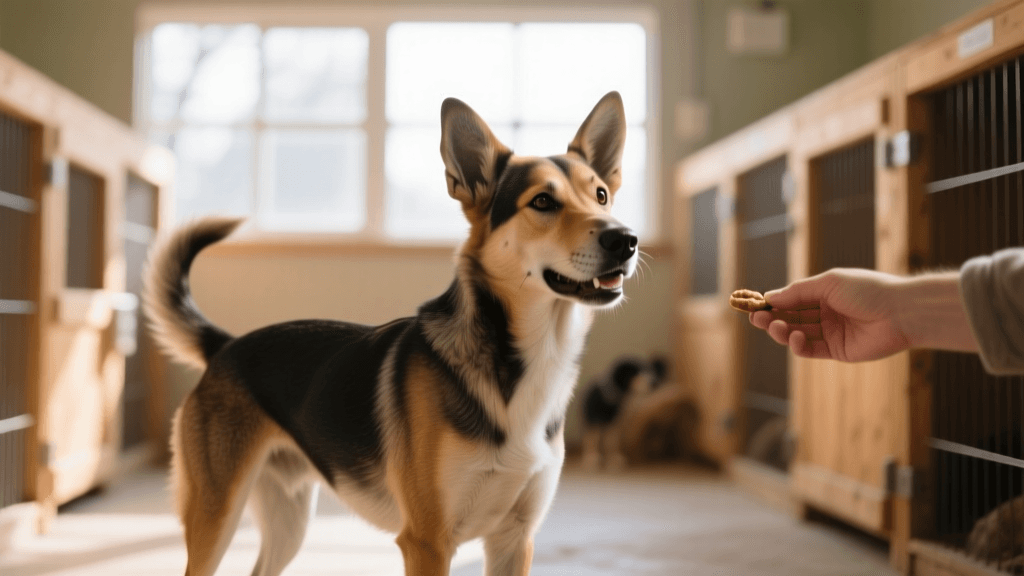
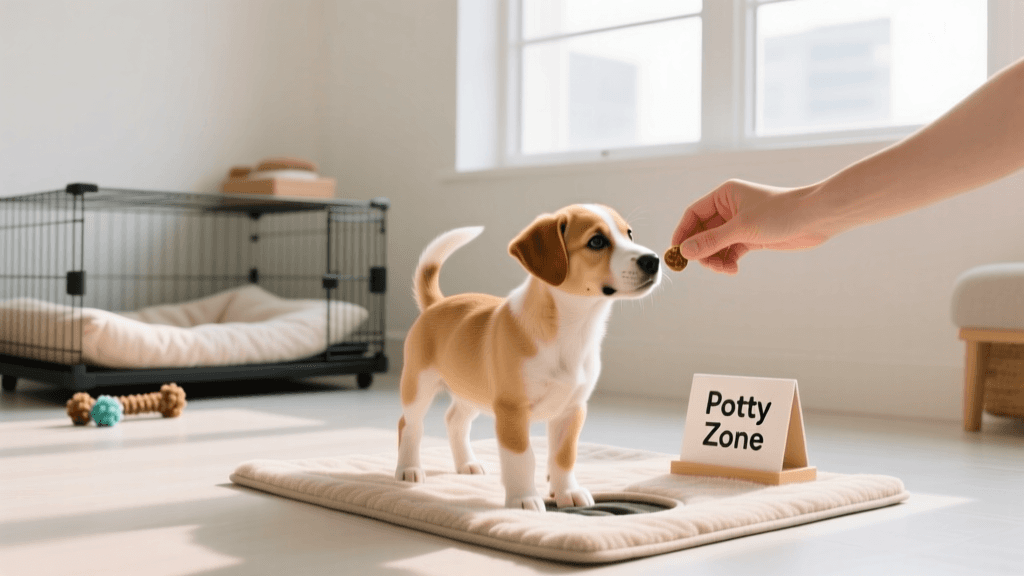
When it is time for a potty break, the execution of the routine is just as important as the schedule. Leash your puppy and walk them directly to the exact same spot in your yard every single time. The scent of their previous bathroom breaks will act as a natural trigger, encouraging them to go again. Stand completely still and allow them to sniff. Do not engage in play or conversation. Once they begin to eliminate, quietly say your chosen cue word, such as 'go potty' or 'do your business.' As soon as they finish, deliver a high-value treat within two seconds and offer enthusiastic verbal praise. The American Kennel Club (AKC) emphasizes that the timing of the reward is critical; if you wait until you are back inside the house to give the treat, you are rewarding the puppy for coming inside, not for eliminating outdoors. After the reward is given, you can then engage in a brief play session as a secondary bonus for a job well done.
Step 4: Introduce Crate Training as a Potty Tool
Crate training is not just about keeping your puppy safe when you cannot supervise them; it is one of the most powerful potty training tools available. Dogs possess a natural instinct to keep their sleeping quarters clean. By utilizing a properly sized crate, you leverage this instinct to teach bladder and bowel control. When you are not actively engaging with your puppy, training them, or taking them outside, they should be in their crate or a confined, puppy-proofed playpen. If you give a young puppy free roam of the house, they will inevitably find a quiet corner to use as a bathroom, which reinforces bad habits. Remember to make the crate a positive, rewarding space. Feed them their meals inside the crate, provide safe chew toys like a Kong stuffed with frozen peanut butter, and never use the crate as a form of punishment.
Step 5: How to Handle Inevitable Accidents
No matter how diligent you are, accidents will happen. How you react to these accidents will dictate how quickly your puppy learns. If you catch your puppy in the act of eliminating indoors, interrupt them with a sharp, neutral noise like 'Ah-ah!' or a quick clap of your hands. Immediately scoop them up or leash them and rush them outside to their designated potty spot. If they finish outside, reward them heavily. However, if you find an accident after the fact, do not scold, yell, or rub their nose in it. Dogs do not possess the cognitive ability to connect a past action with a present punishment. Yelling will only teach your puppy to fear you and to hide behind furniture when they need to eliminate. Instead, silently clean the area with your enzymatic cleaner. According to VCA Animal Hospitals, thorough odor elimination is vital, as lingering scents will continuously draw the puppy back to the same inappropriate spot.
Nighttime Potty Training Strategies
Nights can be the most challenging phase of potty training a new puppy. To set your puppy up for success, remove their food and water bowls approximately two to three hours before bedtime. This ensures their bladder is relatively empty before they settle in for the night. Place the crate in your bedroom or just outside your door for the first few weeks. Puppies often whine when they need to eliminate, and having the crate nearby allows you to hear them immediately. When they wake you up in the middle of the night, keep the interaction incredibly boring. Do not turn on bright lights, do not speak to them, and do not play. Simply leash them, carry them outside to the potty spot, wait for them to go, reward them quietly, and return them straight to the crate. As your puppy's bladder matures, you will gradually be able to phase out these nighttime alarms.
Tracking Progress and Adjusting Expectations
Keeping a potty training log can be immensely helpful during the first month. Use a notebook or a smartphone app to record the exact times your puppy eats, drinks, sleeps, and successfully eliminates outdoors. This data will help you identify patterns and predict when accidents are most likely to occur, allowing you to proactively adjust your schedule. It is also important to manage your expectations. Small breed puppies have much smaller bladders and higher metabolisms than large breed puppies, meaning they will require more frequent trips outside. Furthermore, setbacks are completely normal. Changes in the environment, stress, dietary shifts, or even minor illnesses can cause temporary regression in potty training. When this happens, simply revert to the strict schedule you used during the first week and rebuild the habit.
Final Thoughts
Potty training is a marathon, not a sprint. By combining a strict schedule, proper crate management, and abundant positive reinforcement, you will build a foundation of trust and clear communication with your new dog. Celebrate the small victories, remain patient during the inevitable setbacks, and remember that every single outdoor success is a step toward a harmonious, lifelong bond with your furry companion.
marcus-aldridge
All our authors care for dogs every day — read more of their work on the authors page.