Managing Canine Osteoarthritis: 2026 Home Care & Treatments
Discover the latest 2026 canine osteoarthritis treatments, orthopedic bed reviews, and daily home routines to keep your senior dog comfortable and mobile.
Navigating Canine Osteoarthritis in 2026: A Comprehensive Guide
Watching your once-boundless companion slow down can be one of the most heartbreaking experiences for a dog owner. Canine osteoarthritis (OA), also known as degenerative joint disease, affects an estimated 20% to 25% of all dogs, with prevalence climbing significantly in senior and large-breed dogs. As we move through 2026, the landscape of veterinary pain management and home care has evolved dramatically. We now have access to advanced monoclonal antibody therapies, targeted non-steroidal anti-inflammatory drugs (NSAIDs), and smart home modifications that can profoundly improve your dog's quality of life.
According to the American College of Veterinary Surgeons (ACVS), osteoarthritis is a progressive, irreversible disease characterized by the deterioration of joint cartilage, leading to pain, inflammation, and decreased mobility. However, a diagnosis is no longer a sentence to a sedentary life. By combining the latest 2026 veterinary treatments with strategic home modifications and tailored daily routines, you can keep your arthritic dog comfortable, engaged, and happy.
The Latest Veterinary Treatments for Canine OA in 2026
The cornerstone of managing OA is multimodal therapy—using a combination of different treatments to target pain pathways from multiple angles while minimizing the side effects of any single medication. Here are the leading treatments your veterinarian may recommend this year:
1. Monoclonal Antibodies (Anti-NGF Injections)
The introduction and subsequent widespread adoption of anti-Nerve Growth Factor (NGF) monoclonal antibodies have revolutionized OA management. Bedinvetmab (marketed as Librela) remains a gold standard in 2026. Administered as a monthly subcutaneous injection by your veterinarian, it specifically targets and neutralizes NGF, a protein that becomes overactive in arthritic joints and transmits pain signals to the brain. Because it is a protein-based therapy rather than a chemical drug, it is metabolized like natural antibodies, making it exceptionally safe for dogs with liver or kidney compromises. In 2026, the average cost for a monthly Librela injection ranges from $65 to $130, depending on your dog's weight and your geographic location.
2. Targeted NSAIDs
For dogs that require daily oral medication or those who do not fully respond to anti-NGF therapy, targeted NSAIDs like Grapipant (Galliprant) are heavily utilized. Unlike traditional NSAIDs that block COX enzymes (which can affect the stomach lining and kidneys), Galliprant specifically blocks the EP4 receptor, the primary mediator of OA pain and inflammation in dogs. This targeted approach significantly reduces the risk of gastrointestinal and renal side effects, making it a safer long-term option for senior dogs.
3. Disease-Modifying Osteoarthritis Drugs (DMOADs)
Polysulfated glycosaminoglycan (PSGAG), commonly known as Adequan i.m., is an injectable DMOAD that actually helps protect remaining cartilage and stimulates the production of healthy joint fluid. In 2026, many veterinarians utilize a modified loading dose protocol followed by monthly maintenance injections to preserve joint architecture in active, arthritic dogs.
4. Regenerative Medicine: PRP and Stem Cell Therapy
Platelet-Rich Plasma (PRP) and autologous stem cell therapies have become much more accessible and standardized in 2026. These in-clinic procedures involve harvesting the dog's own blood or fat tissue, concentrating the healing cells, and injecting them directly into the affected joints. While costly (typically $800 to $1,500 per session), they offer profound, long-lasting anti-inflammatory effects for dogs with severe hip or elbow dysplasia.
Designing an OA-Friendly Home Environment
Medical management must be paired with environmental modifications. The American Kennel Club (AKC) emphasizes that reducing environmental stressors on your dog's joints is just as critical as medication. Here is how to optimize your home in 2026:
Orthopedic Sleep Surfaces
Dogs with OA spend up to 80% of their day resting. A standard stuffed dog bed will compress and offer zero joint support. Invest in a high-density therapeutic foam bed. The Big Barker 7-inch Pillow Top Orthopedic Dog Bed remains a top-tier choice in 2026, retailing around $289. Its proprietary open-cell foam prevents the bed from flattening over time, ensuring that heavy joints do not press against the hard floor. For dogs who struggle to get onto elevated furniture, place the bed in a draft-free corner with low clearance.
Ramps and Stairs
Jumping on and off furniture or into vehicles causes micro-traumas to arthritic joints. Replace jumps with inclines. The PetSafe Happy Ride Folding Pet Ramp is an excellent, lightweight option (weighing just 10 lbs) that supports up to 150 lbs. Ensure the ramp's incline does not exceed 18 to 20 degrees; steeper angles force the dog's hindquarters to bear excessive weight. For indoor furniture, foam pet stairs with high-traction microfiber covers provide a stable, slip-free ascent to the couch.
Flooring and Traction Solutions
Hardwood, tile, and laminate floors are the enemy of arthritic dogs. Slipping to regain balance can cause acute ligament tears (like a CCL rupture) on top of chronic OA. You do not need to replace your floors. Instead, use interlocking high-density EVA foam tiles or secure non-slip yoga mats in your dog's primary traffic paths. For dogs whose paw pads have lost their grip due to age, Dr. Buzby's ToeGrips are a game-changer. These tiny, flexible silicone cylinders slide onto the dog's toenails, providing immediate traction on smooth surfaces without the need for uncomfortable dog booties.
Daily Routines and Exercise Modifications
Exercise is vital for maintaining muscle mass, which acts as a shock absorber for arthritic joints. However, the type of exercise must change. The weekend-warrior approach—resting all week and hiking for three hours on Saturday—is disastrous for an OA dog.
The "Sniffari" Decompression Walk
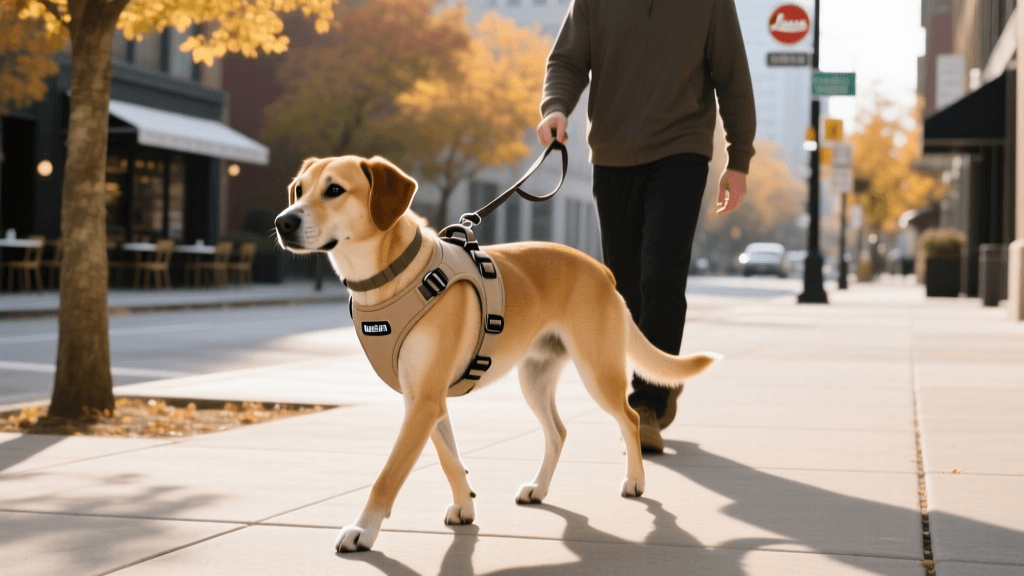
Replace long, brisk walks with shorter, frequent "sniffaris." A 15-minute walk where the dog is allowed to stop, sniff, and explore at their own pace provides immense mental stimulation and low-impact physical movement. Sniffing lowers a dog's heart rate and reduces stress hormones. Aim for two to three 15-minute sniffaris daily rather than one long 45-minute march.
Hydrotherapy and Controlled Swimming
Water provides buoyancy, removing up to 90% of a dog's body weight from their joints while the water's resistance builds muscle. In 2026, canine hydrotherapy facilities are widely available. Weekly sessions in an underwater treadmill, guided by a certified canine rehabilitation therapist, can dramatically improve hind-end proprioception and strength.
Temperature Management
Arthritic joints are highly sensitive to temperature drops. During colder months, use a microwavable heating pad (wrapped in a towel) on their bed for 15 minutes before they wake up to loosen stiff joints. In the summer, avoid walking on hot asphalt, which can exacerbate systemic inflammation, and utilize cooling gel mats to prevent overheating during exercise.
Comparison Chart: 2026 OA Management Options
| Treatment / Product | Type | Administration | Estimated 2026 Cost | Best For |
|---|---|---|---|---|
| Librela (Bedinvetmab) | Anti-NGF Monoclonal Antibody | Monthly Vet Injection | $65 - $130 / month | Dogs with liver/kidney issues; severe chronic pain |
| Galliprant (Grapipant) | Targeted NSAID | Daily Oral Chewable | $40 - $90 / month | Dogs needing daily oral pain relief with fewer GI risks |
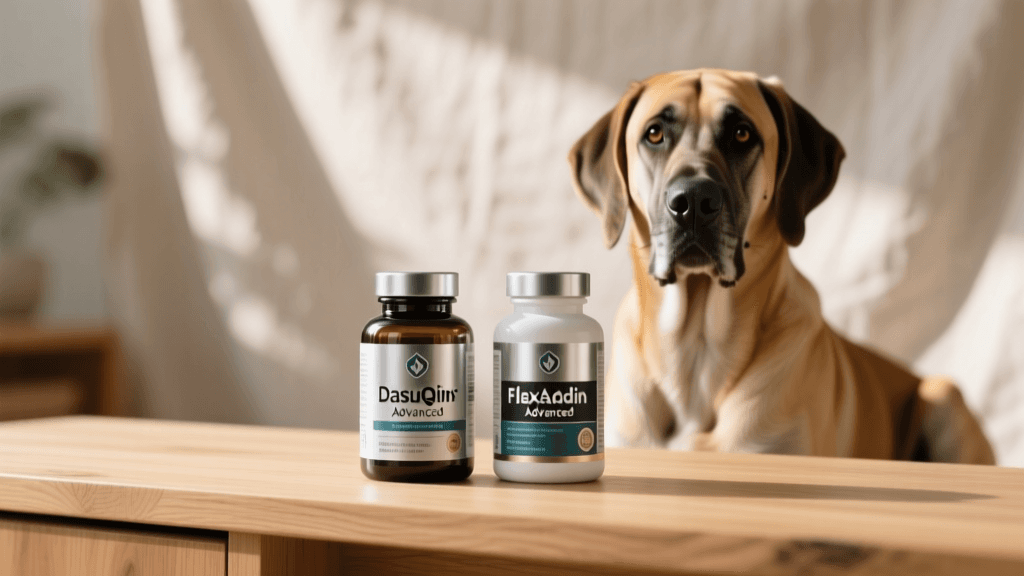
| Dasuquin Advanced | Nutraceutical Joint Supplement | Daily Oral Chewable | $50 - $80 / month | Mild OA; preventative care for large breed seniors |
| Big Barker 7" Bed | Orthopedic Environment | Continuous Use | $289 (One-time) | Large/Giant breeds needing pressure-point relief |
| Dr. Buzby's ToeGrips | Traction Aid | Applied to nails monthly | $30 / pack | Dogs slipping on hardwood/laminate floors |
Diet, Weight Management, and Prescription Foods
No amount of medication or orthopedic beds can compensate for the mechanical stress of excess weight. According to the Humane Society of the United States, keeping your dog at a lean Body Condition Score (BCS) of 4 out of 9 is the single most effective non-medical intervention for OA. Even a 5% reduction in body weight can significantly decrease lameness and pain.
In 2026, veterinary prescription joint diets are highly sophisticated. Foods like Hill's Prescription Diet j/d Joint Care and Royal Canin Veterinary Diet Adult Mobility Support are formulated with precise ratios of Omega-3 fatty acids (specifically EPA), which actively disrupt the metabolic pathways that cause cartilage degradation. These diets also contain optimized levels of glucosamine, chondroitin, and antioxidants, often negating the need for separate, expensive over-the-counter joint supplements. Always consult your veterinarian before transitioning to a prescription diet to ensure it aligns with your dog's specific metabolic needs.
Conclusion: Embracing a New Normal
Living with a dog suffering from osteoarthritis requires patience, observation, and a willingness to adapt. The year 2026 has brought incredible advancements in targeted pain relief and regenerative therapies, meaning your dog does not have to suffer in silence. By partnering closely with your veterinarian to establish a multimodal pain management plan, investing in proper home ergonomics like therapeutic beds and ramps, and modifying your daily exercise routines to prioritize low-impact mental enrichment, you can ensure your loyal companion's golden years are truly golden. Monitor their mobility daily, celebrate the good days, and provide the compassionate care they have given you throughout their entire life.
tom-renshaw
All our authors care for dogs every day — read more of their work on the authors page.