Science-Backed Guide to Omega-3s for Dog Joint and Brain Health
Discover the science behind Omega-3 fatty acids for dogs. Learn exact EPA/DHA dosages, best sources, and how they improve joint mobility and cognitive function.
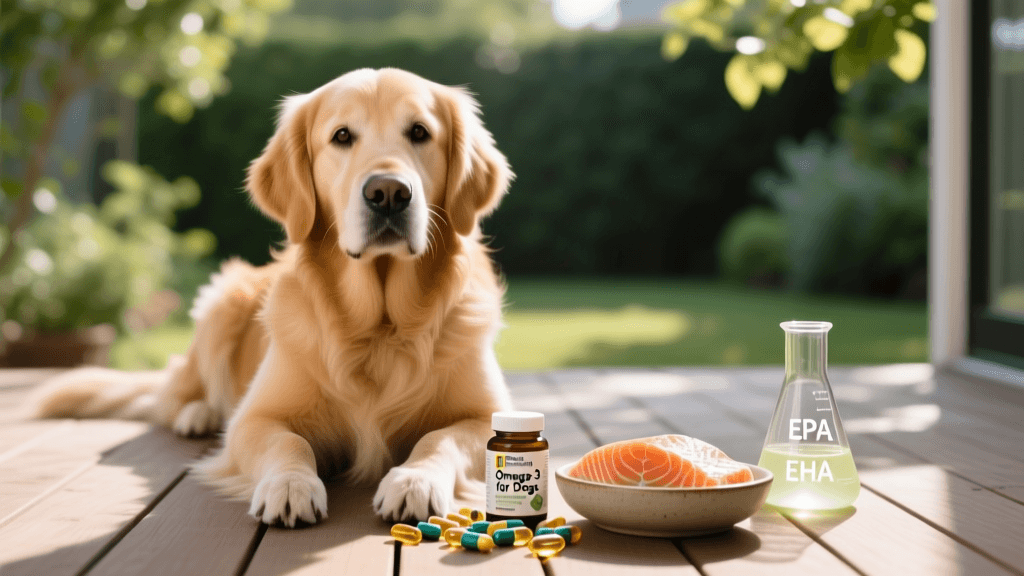
The Hype vs. The Science of Canine Omega-3s
The pet supplement industry is a multi-billion-dollar market flooded with miracle cures, joint powders, and cognitive chews. However, when veterinary nutritionists and researchers discuss evidence-based interventions, one supplement consistently rises to the top: Omega-3 fatty acids. Specifically, eicosapentaenoic acid (EPA) and docosahexaenoic acid (DHA). Unlike many trendy supplements that rely on anecdotal evidence, Omega-3s have been subjected to rigorous, double-blinded, placebo-controlled clinical trials. This guide dives deep into the peer-reviewed science of Omega-3s for dogs, providing actionable dosing protocols, bioavailability comparisons, and clinical applications for joint and brain health.
The Omega-6 to Omega-3 Ratio in Commercial Diets
To understand why supplementation is necessary, we must examine the modern canine diet. Most commercial extruded kibble diets are notoriously high in Omega-6 fatty acids, derived from ingredients like corn oil, soybean oil, and chicken fat. While Omega-6s are essential for basic cellular function, an overabundance promotes the arachidonic acid cascade, which drives systemic inflammation. In the wild, canines consumed a diet with an Omega-6 to Omega-3 ratio of approximately 2:1. Today, many commercial dog foods boast ratios as high as 20:1. Science-backed veterinary nutrition dictates that bringing this ratio down to 4:1 or lower is a critical step in managing chronic inflammatory conditions, including osteoarthritis, atopic dermatitis, and neuroinflammation.
The Biochemistry of Omega-3s: Why Plant Sources Fail Dogs
Many well-meaning dog owners attempt to boost their pet’s Omega-3 intake using plant-based sources like flaxseed oil, hemp seed, or chia seeds. These plants contain alpha-linolenic acid (ALA). While humans and dogs possess the enzyme delta-6-desaturase to convert ALA into the active forms (EPA and DHA), the canine conversion rate is notoriously inefficient—often less than 10 percent. Therefore, science-backed veterinary nutrition dictates that dogs require direct, pre-formed marine sources of EPA and DHA to achieve therapeutic blood serum levels. Once absorbed, EPA and DHA integrate into cellular phospholipid bilayers, fundamentally altering cell membrane fluidity, receptor function, and the body’s inflammatory response.
Clinical Evidence: Modulating Osteoarthritis and Joint Pain
Osteoarthritis (OA) affects an estimated 20 percent of adult dogs and over 80 percent of senior dogs. The traditional veterinary approach relies heavily on Non-Steroidal Anti-Inflammatory Drugs (NSAIDs). While effective, long-term NSAID use carries risks of gastrointestinal ulceration and renal strain. This is where EPA acts as a powerful, natural modulator of inflammation. When a dog’s cell membranes are rich in EPA, the body preferentially uses it over arachidonic acid when producing eicosanoids. This results in the production of less inflammatory prostaglandins and leukotrienes.
A pivotal 2010 study evaluated dogs with osteoarthritis fed a diet high in EPA and DHA. The research, accessible via the National Institutes of Health (NIH) database, demonstrated that dogs receiving targeted Omega-3 supplementation showed significant improvements in weight-bearing capacity and a reduced reliance on NSAID medications compared to the control group. The study concluded that high-dose EPA effectively down-regulates the expression of cartilage-degrading enzymes, preserving joint integrity over time.
Clinical Evidence: Neuroprotection and Cognitive Dysfunction
Canine Cognitive Dysfunction Syndrome (CDS) is the canine equivalent of Alzheimer’s disease, characterized by disorientation, altered sleep-wake cycles, and house-soiling. The aging canine brain is highly susceptible to oxidative stress and lipid peroxidation. DHA is a primary structural component of the mammalian brain and retina. Research published in veterinary neurology journals highlights that diets enriched with DHA and antioxidants can significantly improve cognitive performance in aging dogs.
According to a comprehensive review on polyunsaturated fatty acids and brain aging available through the National Center for Biotechnology Information (NCBI), maintaining high neuronal DHA levels helps preserve synaptic plasticity and reduces the accumulation of neurotoxic beta-amyloid plaques. For senior dogs, initiating DHA supplementation before severe clinical signs of CDS appear offers the most profound neuroprotective benefits, essentially building a structural reserve in the brain.
Actionable Dosing Guide: Calculating EPA and DHA
The most common mistake dog owners make is under-dosing. A standard over-the-counter salmon oil pump might provide only 200 mg of combined EPA and DHA, which is a nutritional maintenance dose, not a therapeutic one. Veterinary dermatologists and orthopedic specialists typically recommend a therapeutic dose ranging from 50 mg to 100 mg of combined EPA and DHA per kilogram of metabolic body weight. To simplify this for daily administration, the following chart provides science-backed therapeutic targets for common inflammatory conditions like osteoarthritis and atopic dermatitis.
Therapeutic Dosage Chart by Body Weight
| Dog Weight (lbs) | Dog Weight (kg) | Maintenance Dose (EPA+DHA) | Therapeutic Dose (EPA+DHA) |
|---|---|---|---|
| 10 lbs | 4.5 kg | 150 - 250 mg | 400 - 600 mg |
| 25 lbs | 11.3 kg | 300 - 500 mg | 800 - 1,200 mg |
| 50 lbs | 22.6 kg | 500 - 800 mg | 1,400 - 2,000 mg |
| 75 lbs | 34.0 kg | 700 - 1,100 mg | 1,900 - 2,800 mg |
| 100 lbs | 45.3 kg | 900 - 1,400 mg | 2,400 - 3,500 mg |
Choosing the Right Supplement: Bioavailability Matters
Not all fish oils are created equal. The molecular form of the oil dictates its bioavailability and absorption rate in the canine digestive tract. Ethyl ester (EE) forms are cheaper to manufacture but poorly absorbed. Re-esterified triglycerides (rTG) and natural phospholipids offer vastly superior absorption rates. Furthermore, the American Kennel Club (AKC) emphasizes the importance of sourcing to avoid heavy metal toxicity and environmental contaminants like PCBs and dioxins.
Source Comparison and Bioavailability Chart
| Source | Molecular Form | EPA/DHA Profile | Key Benefits & Considerations |
|---|---|---|---|
| Wild Alaskan Salmon Oil | Triglyceride | High EPA, Moderate DHA | Excellent for skin/coat and joint inflammation. Ensure it is wild-caught to avoid farmed antibiotic residues. |
| Antarctic Krill Oil | Phospholipid | Moderate EPA/DHA | Contains astaxanthin (potent antioxidant); highest cellular absorption rate due to phospholipid binding. |
| Algal Oil | Triglyceride | High DHA, Low EPA | Vegan, highly sustainable, heavy-metal free; ideal for targeted cognitive and neurological support. |
| Green-Lipped Mussel | Triglyceride | Contains unique ETA | ETA fatty acid blocks LOX and COX pathways simultaneously; superb for severe osteoarthritis and mobility issues. |
Safety, Oxidation, and Storage Best Practices
Omega-3 fatty acids are highly unstable polyunsaturated fats. When exposed to light, heat, or oxygen, they rapidly oxidize and become rancid. Feeding rancid oil to your dog introduces free radicals into their system, negating the anti-inflammatory benefits and potentially causing gastrointestinal upset, diarrhea, or systemic inflammation.
Veterinary Best Practice: Always purchase oils in dark, opaque, UV-protected bottles or pump containers. Store liquid fish oils in the refrigerator immediately after opening, and discard any oil that smells distinctly like rotting fish. Fresh, high-quality fish oil should have a mild, clean, oceanic scent.
Additionally, high doses of Omega-3s can deplete the body’s Vitamin E stores, as Vitamin E is required to prevent lipid peroxidation in the body. The metabolic demand for antioxidants increases when polyunsaturated fat intake rises. Ensure your dog’s base diet is adequately fortified with Vitamin E, or consult your veterinarian about adding a mixed-tocopherol supplement to their daily regimen to maintain cellular balance.
Conclusion: Integrating Science into Daily Care
The science surrounding Omega-3 fatty acids in canine medicine is robust, verifiable, and continually expanding. By moving away from generic, under-dosed supplements and focusing on therapeutic levels of EPA and DHA from highly bioavailable sources, dog owners can profoundly impact their pet’s quality of life. Whether you are managing the stiff joints of an aging Labrador Retriever or supporting the cognitive health of a senior mixed breed, applying these science-backed insights ensures that your dog receives the precise nutritional support they need to thrive in their golden years. Always consult with your primary care veterinarian before initiating high-dose therapeutic regimens, especially if your dog is currently prescribed blood thinners or scheduled for upcoming surgical procedures.
jonas-cole
All our authors care for dogs every day — read more of their work on the authors page.