Omega-3 Fatty Acids for Dogs: Sourcing and Dosage Guide
Discover the health benefits of Omega-3 fatty acids for dogs. Learn about EPA and DHA sources, proper dosages, and how to choose the right supplement.
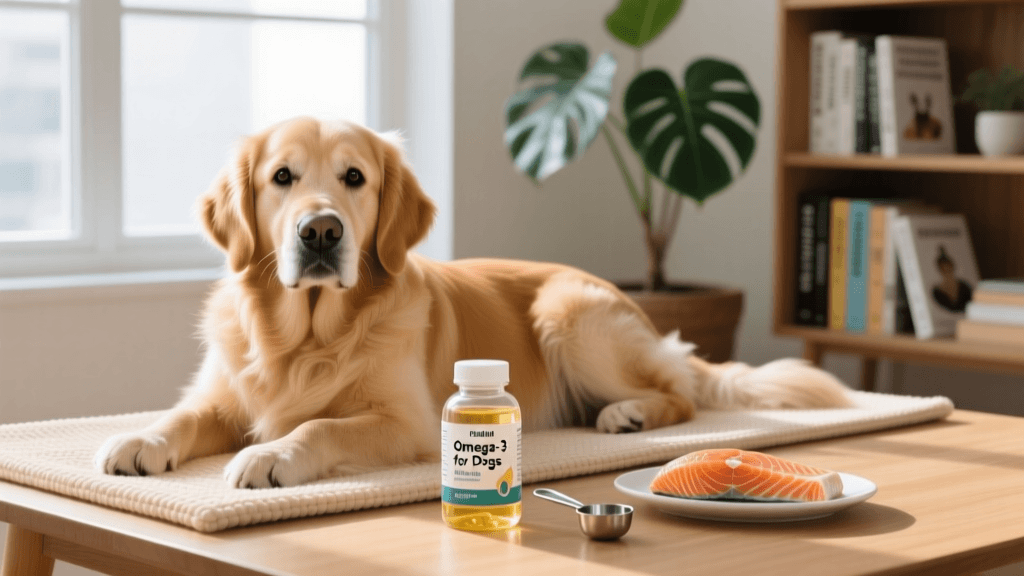
The Role of Omega-3 Fatty Acids in Your Dog's Daily Life
Sharing your life with a dog means taking charge of their daily routines, from morning walks to evening meals. While a high-quality commercial diet provides a solid nutritional foundation, many dogs benefit significantly from targeted supplementation. Among the most researched and universally recommended supplements in veterinary medicine are Omega-3 fatty acids. Whether you are managing a senior dog's stiff joints, soothing a puppy's itchy skin, or simply aiming to support long-term cognitive health, understanding how to properly source, dose, and administer Omega-3s is a crucial skill for the modern dog owner.
However, the pet supplement aisle is crowded and confusing. Not all Omega-3s are created equal, and giving your dog the wrong type—or the wrong dose—can lead to wasted money or gastrointestinal upset. In this deep dive, we will explore the science of canine Omega-3s, break down the exact dosages based on body weight, and provide actionable advice for integrating these vital fats into your dog's daily feeding routine.
The Science: ALA vs. EPA and DHA
To make informed choices, you must first understand that Omega-3 is an umbrella term for several different fatty acids. The three most common types found in pet supplements and human foods are Alpha-linolenic acid (ALA), Eicosapentaenoic acid (EPA), and Docosahexaenoic acid (DHA).
The Plant-Based Misconception (ALA)
ALA is primarily found in plant sources like flaxseed, chia seeds, and walnuts. While humans can convert a small amount of ALA into the more usable EPA and DHA, dogs are incredibly inefficient at this conversion process. According to veterinary nutritionists, the canine metabolic pathway lacks the necessary enzymes to convert ALA into EPA and DHA in any meaningful quantity. Therefore, relying on flaxseed oil for your dog's Omega-3 needs will not yield the therapeutic benefits you are looking for.
The Marine Advantage (EPA and DHA)
EPA and DHA are marine-derived fatty acids. EPA is primarily responsible for reducing cellular inflammation, making it a powerhouse for joint health and allergy management. DHA is vital for neurological development, retinal health, and cognitive function. When veterinary professionals recommend Omega-3s, they are almost exclusively referring to EPA and DHA. The Tufts Cummings Veterinary Medical Center emphasizes that marine-based fish oils are the most effective and reliable way to deliver these specific fatty acids to your dog's system.
Tangible Health Benefits for Your Dog
Integrating a high-quality EPA and DHA supplement into your dog's daily diet can yield visible and measurable improvements across several bodily systems.
- Dermatological Health: Dogs suffering from atopic dermatitis, seasonal allergies, or dry, flaky skin often see a drastic reduction in pruritus (itchiness) within 4 to 8 weeks of consistent EPA supplementation. The fatty acids integrate into the cell membranes, improving the skin barrier and reducing inflammatory responses.
- Joint Mobility and Osteoarthritis: For aging dogs or large breeds prone to hip dysplasia, Omega-3s act as natural anti-inflammatories. EPA specifically inhibits the enzymes that break down cartilage. Many owners report that their dogs are more willing to jump into the car or climb stairs after a month of therapeutic dosing.
- Cognitive Function: Senior dogs experiencing Canine Cognitive Dysfunction (doggy dementia) benefit from DHA, which supports brain health and cellular communication.
- Cardiovascular Support: The National Center for Biotechnology Information (NCBI) notes that Omega-3s can help manage cachexia (muscle wasting) and support heart rhythm stability in dogs with underlying cardiac conditions.
Calculating the Correct Dosage
The most common mistake pet owners make is under-dosing. The dosage recommendations printed on the back of many commercial supplement bottles are often formulated for general maintenance rather than therapeutic benefit. Furthermore, the label might list the total amount of fish oil rather than the actual concentration of EPA and DHA.
For therapeutic benefits (such as managing osteoarthritis or severe allergies), veterinary dermatologists and orthopedic specialists often recommend a combined EPA/DHA dose of 50 to 75 milligrams per kilogram of your dog's body weight. For general health maintenance, a dose of 20 to 30 mg per kilogram is usually sufficient.
Dosage Calculation Example
Let us calculate the maintenance dose for a 30-pound (13.6 kg) adult dog:
- Convert pounds to kilograms: 30 lbs / 2.2 = 13.6 kg.
- Multiply by the maintenance factor (25 mg/kg): 13.6 kg x 25 mg = 340 mg of combined EPA/DHA per day.
- Check your supplement label. If one pump of liquid fish oil yields 500 mg of total fish oil but only 150 mg of combined EPA/DHA, you will need roughly 2.5 pumps daily to hit your target.
Always consult your primary veterinarian before starting high-dose therapeutic regimens, especially if your dog is on blood thinners or has a history of pancreatitis, as high fat intake can occasionally trigger pancreatic flare-ups.
Comparing Omega-3 Sources for Dogs
Not all marine sources are equal. Below is a comparison chart of the most common Omega-3 supplements available on the market, evaluating their bioavailability, sustainability, and practical use in a multi-pet household.
| Source Type | EPA/DHA Bioavailability | Pros | Cons | Average Monthly Cost |
|---|---|---|---|---|
| Wild Salmon Oil (Liquid) | High (Triglyceride form) | Easy to mix into kibble; highly palatable; rich in astaxanthin. | Requires refrigeration after opening; can be messy. | $15 - $25 |
| Krill Oil (Softgel/Liquid) | Very High (Phospholipid form) | Absorbs rapidly; lower risk of heavy metal accumulation; sustainable. | More expensive per mg of EPA/DHA; smaller capsule sizes. | $25 - $40 |
| Green-Lipped Mussel | Moderate to High | Contains unique ETA fatty acid; excellent for severe joint inflammation. | Distinctive odor; limited availability in pure liquid form. | $20 - $35 |
| Flaxseed Oil (Plant) | Extremely Low (ALA only) | Cheap; good for general coat shine; vegan. | Does not provide usable EPA/DHA for dogs; ineffective for joints. | $10 - $15 |
How to Read a Supplement Label Like a Pro
When shopping for products like Nordic Naturals Omega-3 Pet, Grizzly Salmon Plus, or Zesty Paws Omega Bites, ignore the front marketing claims and turn straight to the guaranteed analysis or supplemental facts panel. You are looking for two specific numbers: the EPA content and the DHA content. Add these two numbers together to find the active therapeutic ingredient per serving. If a brand refuses to list the exact milligram breakdown of EPA and DHA, or simply lists 'Proprietary Fish Oil Blend,' put it back on the shelf. Transparency is a hallmark of high-quality nutritional supplements.
Practical Daily Administration and Storage
Integrating supplements into your dog's daily routine should be seamless, but fats require specific handling to maintain their efficacy.
The Transition Period
Fish oil is a dense fat. Introducing a full dose immediately to a dog unaccustomed to it will almost certainly result in loose stools or diarrhea. Start with one-quarter of the target dose for the first three days, increase to half for the next three days, and gradually work your way up to the full dose over a week. Administering the oil directly over their food, rather than giving it on an empty stomach, maximizes fat absorption and minimizes the chance of fishy burps.
The Sniff Test: Preventing Rancidity
Omega-3 fatty acids are highly unstable and prone to oxidation when exposed to heat, light, and oxygen. Oxidized (rancid) fish oil loses its anti-inflammatory properties and can actually promote cellular damage. The American Kennel Club (AKC) advises pet owners to store liquid fish oils in the refrigerator immediately after opening. Always perform the sniff test: fresh fish oil should smell mildly like the ocean or have no scent at all. If it smells sharply sour, intensely rotten, or like old paint, it has oxidized and must be discarded. To combat oxidation, look for liquid oils packaged in dark, opaque bottles with pump dispensers that limit air exposure, or opt for individually sealed softgel capsules if you have a smaller dog.
Summary: A Worthwhile Addition to Your Routine
Managing your dog's health is an ongoing daily commitment. While Omega-3 fatty acids are not a magic cure-all, their scientifically backed ability to modulate inflammation, support cognitive longevity, and improve dermatological health makes them one of the most valuable tools in a dog owner's arsenal. By bypassing plant-based ALA sources, carefully calculating your dog's specific EPA/DHA requirements based on their weight, and practicing strict storage protocols to prevent rancidity, you can safely and effectively enhance your dog's quality of life from the inside out.
tom-renshaw
All our authors care for dogs every day — read more of their work on the authors page.