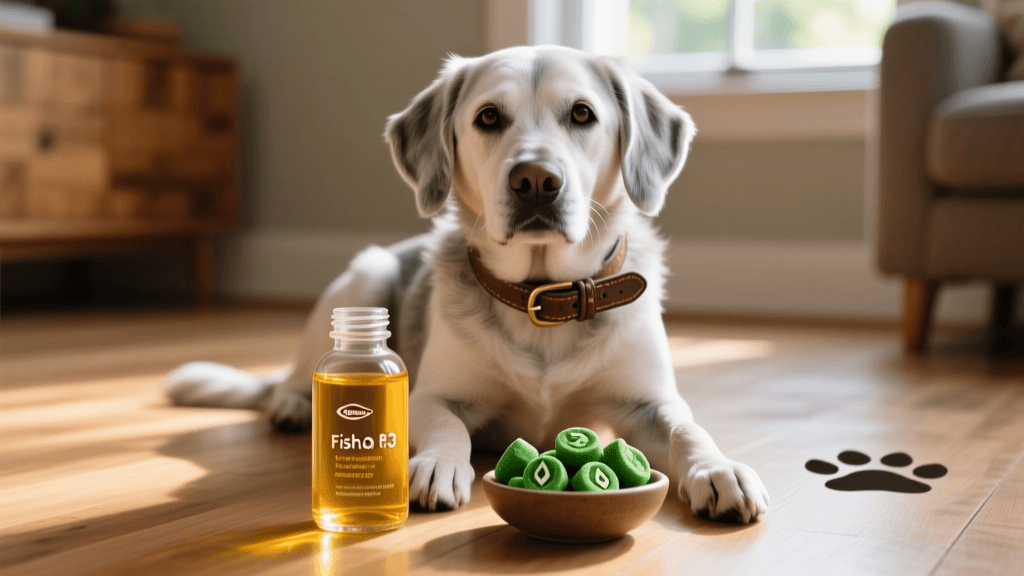
Top Omega-3 Dog Supplements 2026: Liquid vs. Soft Chews
Discover the best Omega-3 supplements for senior dogs in 2026. We compare top liquid fish oils and soft chews for joint health, coat shine, and dosage.
The Evolution of Canine Omega-3 in 2026
As we settle into 2026, the landscape of canine nutrition and longevity has never been more advanced. Dog parents are increasingly moving away from reactive veterinary care and toward proactive, daily wellness routines. At the very center of this preventive health movement is the use of Omega-3 fatty acids for dogs. Whether you are managing a senior dog with stiff joints, a puppy with developing cognitive pathways, or an adult dog with seasonal skin allergies, Omega-3s are a foundational pillar of modern canine care.
However, the supplement aisle—both physical and digital—can be overwhelmingly crowded. The most common dilemma faced by pet owners today is choosing the right delivery method. Should you opt for a liquid fish oil pump, or are the newly formulated Omega-3 soft chews the better choice for your daily routine? In this comprehensive guide, we break down the science, the practicalities, and the top products of 2026 to help you make the best decision for your furry companion.
The Science: Why EPA and DHA Matter
Before comparing formats, it is crucial to understand what we are actually supplementing. According to the National Institutes of Health (NIH), the two most critical Omega-3 fatty acids for mammalian health are Eicosapentaenoic acid (EPA) and Docosahexaenoic acid (DHA). While plant-based sources like flaxseed contain Alpha-linolenic acid (ALA), dogs lack the efficient enzymatic pathways required to convert ALA into usable EPA and DHA. Therefore, marine-based sources remain the gold standard.
EPA is primarily responsible for modulating the inflammatory response. For a senior dog suffering from osteoarthritis, EPA acts as a natural fire extinguisher for inflamed joint tissues. DHA, on the other hand, is vital for neurological health, retinal function, and cognitive preservation in aging dogs. The American Kennel Club consistently highlights that a balanced ratio of these marine oils can drastically improve a dog's mobility, reduce the frequency of allergic dermatitis flare-ups, and even support cardiovascular health over their lifespan.
Liquid Pumps vs. Soft Chews: The Great Debate
In 2026, the market has bifurcated into two primary delivery systems: high-concentration liquid pumps and nutrient-dense soft chews. Both have distinct advantages depending on your dog's size, temperament, and your household's daily rhythm.
The Case for Liquid Fish Oil
Liquid Omega-3 oils, typically derived from wild-caught Alaskan salmon, sardines, or anchovies, offer the highest concentration of EPA and DHA per serving. The primary advantage of the liquid format is precise, customizable dosing. If you have a multi-dog household ranging from a 10-pound Terrier to an 80-pound Retriever, a liquid pump allows you to adjust the exact milligram output for each animal. Furthermore, liquids are easily hidden in wet food or kibble, making them ideal for notoriously picky eaters who might spit out a pill or a chew.
The downside? The mess factor. Fish oil is inherently greasy, and a misaligned pump can leave a lingering odor on your countertops. Additionally, liquids are highly susceptible to oxidation once the bottle is opened, requiring strict adherence to refrigeration and expiration dates.
The Convenience of Soft Chews
Soft chews have evolved dramatically over the last few years. The 2026 formulations utilize advanced microencapsulation techniques to protect the delicate fish oils from oxygen degradation, all while wrapping them in a palatable, treat-like exterior. Soft chews are incredibly convenient for travel, boarding, or doggy daycare, where measuring out a messy liquid is impractical.
However, the trade-off is concentration. To maintain the structural integrity of a soft chew, manufacturers must include binding agents, flours, and natural flavorings. As a result, you get significantly less EPA and DHA per gram of product compared to a pure liquid oil. For a large breed dog requiring high therapeutic doses for severe joint pain, you might need to feed three or four chews a day, which adds unnecessary calories to their daily intake.
2026 Comparison Chart: Top Omega-3 Brands
To help you navigate the current market, we have analyzed the top-performing Omega-3 supplements for dogs available this year. Below is a comparison of leading products, focusing on their format, active ingredient yield, and ideal use cases.
| Brand & Product (2026 Lineup) | Format | EPA/DHA per Serving | Best For | Price Range |
|---|---|---|---|---|
| Nordic Naturals Omega-3 Pet | Liquid Pump | 1050 mg combined | Picky eaters, precise dosing | $25 - $32 |
| Native Pet Wild Alaskan Salmon Oil | Liquid Pump | 800 mg combined | Multi-dog homes, skin/coat | $20 - $26 |
| Zesty Paws Omega Bites | Soft Chew | 250 mg combined | Travel, treat-motivated dogs | $18 - $24 |
Calculating the Correct EPA/DHA Dosage
One of the most common mistakes dog owners make is reading the front label rather than the supplemental facts panel on the back. The total amount of 'Fish Oil' is irrelevant; what matters is the combined milligram count of EPA and DHA. Veterinary nutritionists generally recommend a therapeutic dose of 50 to 75 mg of combined EPA/DHA per kilogram of your dog's body weight for managing inflammation and joint issues.
For general wellness and coat maintenance, a lower maintenance dose of 20 to 30 mg per kilogram is sufficient. Always consult with your primary veterinarian before initiating a high-dose regimen, especially if your dog is on prescription blood thinners or NSAIDs, as high levels of Omega-3s can have a mild blood-thinning effect.
Integrating Omega-3 Into Your Daily Routine
Consistency is the secret to seeing results with Omega-3s. It typically takes six to eight weeks of daily supplementation for the fatty acids to fully integrate into your dog's cellular membranes and for visible changes in coat luster or joint mobility to occur. Here is how to seamlessly build this into your 2026 daily routine:
- The Morning Top-Dress: If you feed kibble, use a liquid pump to coat the dry food in the morning. Add a splash of warm (not hot) water or low-sodium bone broth to create a 'gravy' that ensures your dog licks up every drop of the oil.
- The Training Reward: If you use soft chews, incorporate them into your afternoon training or enrichment sessions. Because they are highly palatable, they serve a dual purpose as a positive reinforcement tool and a health supplement.
- The Evening Puzzle Toy: For dogs that eat from slow feeders or lick mats, mix liquid Omega-3 with plain, dog-safe kefir or pumpkin puree and freeze it. This provides mental stimulation while delivering their daily fats.
Crucial Storage Tips to Prevent Oxidation
The Achilles heel of any marine-based supplement is oxidation. When fish oil is exposed to light, heat, or oxygen, it degrades and becomes rancid. Rancid oil is not only foul-smelling but can actually promote free-radical damage in your dog's body, negating the health benefits entirely. The Tufts University Cummings Veterinary Medical Center emphasizes the importance of proper handling and storage of lipid supplements to ensure they remain biologically active and safe for consumption.
To protect your investment and your dog's health, follow these strict storage rules:
- Refrigerate Immediately: Once the seal is broken on a liquid bottle, it must live in the refrigerator. The cold temperature drastically slows the oxidation process.
- Look for Amber Glass: In 2026, premium brands have largely moved away from clear plastic bottles. Always choose oils packaged in dark amber or cobalt glass, which blocks UV light degradation.
- The Sniff Test: Before every use, give the oil a quick smell. Fresh fish oil should have a mild, oceanic scent. If it smells sharply metallic, overly fishy, or sour, it has oxidized and must be discarded immediately.
- Pump vs. Pour: Pump bottles are vastly superior to screw-cap pour bottles. Pumps minimize the oil's exposure to ambient air every time you dispense a serving.
Final Thoughts on Canine Longevity
As we continue to prioritize the healthspan and lifespan of our canine companions, Omega-3 fatty acids remain an undisputed heavyweight in the supplement arena. Whether you choose the high-potency precision of a 2026 liquid pump or the on-the-go convenience of a microencapsulated soft chew, the key is daily consistency. By understanding the science of EPA and DHA, calculating the correct dosage for your dog's specific weight, and storing your supplements properly, you are setting the stage for a more vibrant, comfortable, and active life for your best friend.
aaron-whyte
All our authors care for dogs every day — read more of their work on the authors page.