Cross-Country Relocation With Anxious Dogs: 2026 Guide
Discover how to manage a cross-country move with an anxious dog in 2026. Expert tips on travel gear, desensitization, and settling into a new home.
A cross-country move is universally ranked as one of the most stressful life events for humans, but for our canine companions, it can be completely world-shattering. When you factor in a dog with pre-existing anxiety, this major life transition requires meticulous planning, immense patience, and the right behavioral strategies. As we navigate the evolving landscape of pet travel in 2026, understanding how to mitigate your dog's stress during a massive relocation is more critical than ever. Whether you are moving for a new job, a lifestyle change, or family reasons, this comprehensive guide will walk you through preparing, traveling, and settling your anxious dog into a brand-new environment.
Understanding Relocation Anxiety in Dogs
Dogs are creatures of habit and routine. They map their world through scent, familiar sounds, and predictable daily schedules. When you begin packing boxes, the familiar scents of your home are masked by cardboard and packing tape. The furniture is rearranged, and your own stress levels—which your dog can smell through changes in your cortisol and pheromone output—spike dramatically. According to the American Society for the Prevention of Cruelty to Animals (ASPCA), anxiety in dogs often manifests through destructive behavior, excessive vocalization, house soiling, and pacing. During a move, these symptoms can amplify, leading to escape attempts or severe gastrointestinal distress. Recognizing these signs early is the first step in creating a successful transition plan.
The 60-Day Pre-Move Desensitization Plan
To prevent your dog from associating moving boxes with panic, you must begin desensitization at least two months before your departure date.
Days 60 to 45: Normalizing Moving Supplies
Bring moving boxes into your home weeks before you actually need them. Leave them open in the living room. Toss high-value treats, like freeze-dried liver or chicken, into the empty boxes so your dog begins to associate the sight and smell of cardboard with positive rewards. Do not pack anything during this phase; simply let the boxes become part of the normal furniture.
Days 44 to 15: Crate and Travel Conditioning
If your dog will be traveling in a crate, this is the time to make it a sanctuary. Feed all meals inside the crate with the door open. Introduce the American Veterinary Medical Association (AVMA) recommended practice of leaving familiar, unwashed bedding inside the crate to provide a comforting, familiar scent. If your dog exhibits severe crate claustrophobia, consult a certified veterinary behaviorist immediately to discuss short-term anti-anxiety medications like trazodone or gabapentin, which are widely prescribed in 2026 for travel-induced panic.
Days 14 to 1: Simulating the Journey
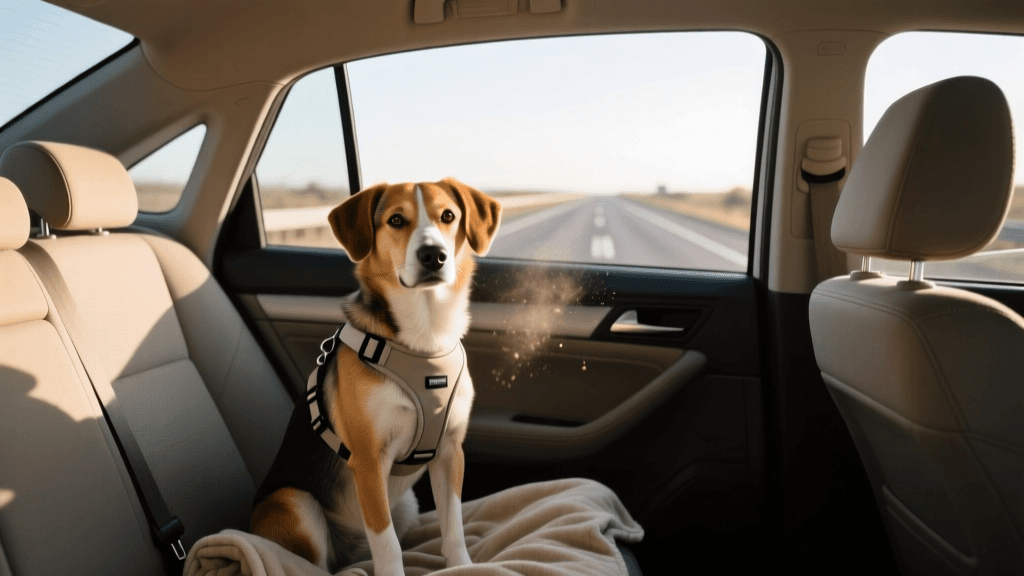
Begin taking your dog on short, frequent car rides in their travel carrier. Drive to positive destinations, like a local park or a pet-friendly cafe, rather than just the vet. This rewires their brain to understand that being confined in the car leads to enjoyable experiences, not just stressful ones.
Essential 2026 Anxiety-Reducing Gear
The pet care market has expanded significantly, offering scientifically backed tools to help soothe nervous dogs during major life transitions.
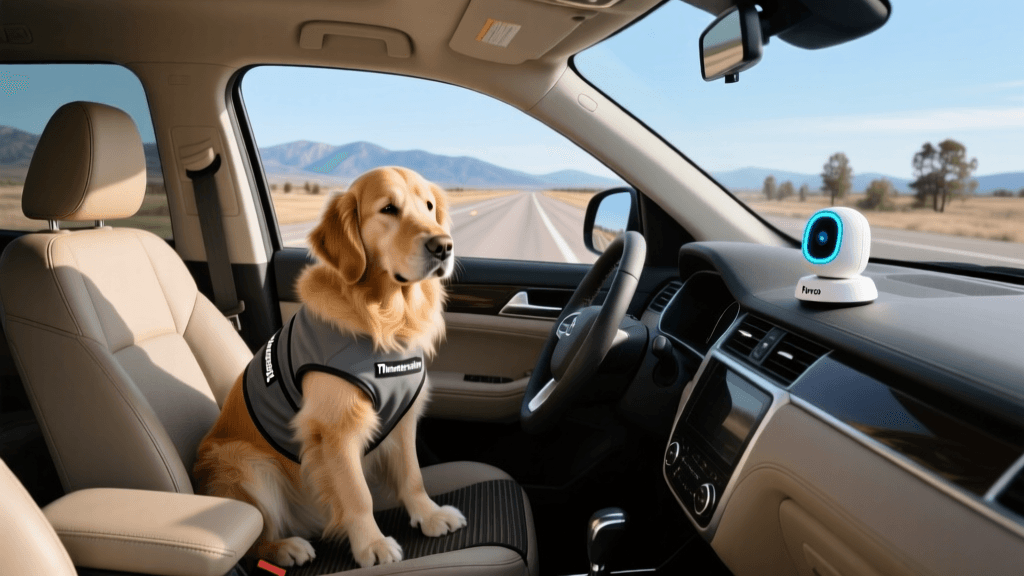
- Thundershirt Classic Anxiety Jacket: Applying gentle, constant pressure to a dog's torso, the Thundershirt mimics the sensation of being swaddled. It is highly effective for dogs who tremble or pant excessively during car rides and loud environmental changes.
- Adaptil Calm On-the-Go Collar: This collar releases a synthetic version of the dog-appeasing pheromone (DAP), which nursing mothers produce to comfort their puppies. Activated by body heat, it provides continuous calming signals for up to 30 days, perfectly covering your moving and unpacking phase.
- Zesty Paws Advanced Calming Bites: These soft chews contain L-Theanine, chamomile, and hemp seed powder. Administering these 45 minutes before loading your dog into the car can take the edge off acute travel stress without the heavy sedation associated with older pharmaceutical options.
Travel Day: Car vs. Air Transport in 2026
Choosing how to transport your anxious dog across the country is a monumental decision. With the strict 2026 Department of Transportation regulations regarding emotional support animals, flying with a large, anxious dog in the cabin is no longer an option unless they are federally recognized service animals. Here is a comparison to help you decide the safest route.
| Factor | Cross-Country Car Road Trip | Airline Cargo Transport (PetSafe Programs) |
|---|---|---|
| Stress Level | Moderate (Manageable with frequent breaks) | High (Loud noises, temperature shifts, isolation) |
| Cost (2026 Estimates) | $400 - $800 (Gas, pet-friendly hotels) | $500 - $1,200+ (Depending on crate size/weight) |
| Control Over Environment | Complete control over temperature, music, and breaks | Zero control once handed over to airline staff |
| Best For | Dogs with severe separation anxiety or noise phobias | Small dogs in-cabin, or highly resilient large breeds |
For a dog with documented anxiety, driving is overwhelmingly the recommended choice. The American Kennel Club (AKC) emphasizes that keeping your dog in your line of sight and allowing them to hear your voice drastically reduces cortisol spikes during long-distance transit. If you must fly, ensure you book with an airline that offers a dedicated, climate-controlled pet tracking service, and never sedate your dog for air cargo travel, as it can dangerously depress their respiratory system at high altitudes.
Settling In: The First 72 Hours in Your New Home
Arriving at your new home is not the finish line; it is the beginning of a critical adjustment period. The cardinal rule for the first three days is to restrict your dog's access to the entire house. Unpack and set up a single 'safe room'—preferably a quiet bedroom or a finished basement—complete with their familiar bed, toys, and water bowl. Allow your dog to decompress in this single room while you move furniture and unpack boxes in the rest of the house. This prevents them from becoming overwhelmed by the massive influx of new scents, echoing noises, and chaotic foot traffic. Maintain their exact feeding and walking schedule from your old home to provide an anchor of predictability amidst the chaos.
Long-Term Routine Building and Neighborhood Integration
Once your dog is comfortable in their safe room, gradually introduce them to the rest of the house, one room at a time. When it comes to exploring the new neighborhood, start with short, low-stimulation walks during quiet hours, such as early morning or late evening. Avoid busy dog parks for the first month. According to modern behavioral science, flooding an anxious dog with too many new stimuli—new dogs, new traffic patterns, new squirrels—can trigger a behavioral regression. Instead, practice engagement exercises in your new backyard or on your quiet street, rewarding heavily for eye contact and calm behavior. By respecting your dog's pace and utilizing modern calming tools, your 2026 cross-country relocation can transform from a traumatic ordeal into a successful, bonding life transition.
hannah-wickes
All our authors care for dogs every day — read more of their work on the authors page.