Best Treat Cameras for Dog Anxiety in 2026: Furbo vs Petcube
Discover how to manage dog separation anxiety and reactivity in 2026 using Furbo and Petcube treat cameras. Compare features, costs, and training protocols.
Introduction to Canine Anxiety and Remote Management
Life with a reactive or anxious dog can often feel like walking on eggshells. Whether your dog is triggered by the doorbell, terrified of thunderstorms, or struggles with severe separation anxiety, managing their emotional state requires consistency, patience, and the right environmental setup. In 2026, pet technology has evolved far beyond simple live-streaming webcams. Today's smart treat-tossing cameras are integral tools in a modern dog owner's behavioral modification toolkit, allowing for remote intervention, classical counter-conditioning, and real-time stress monitoring.
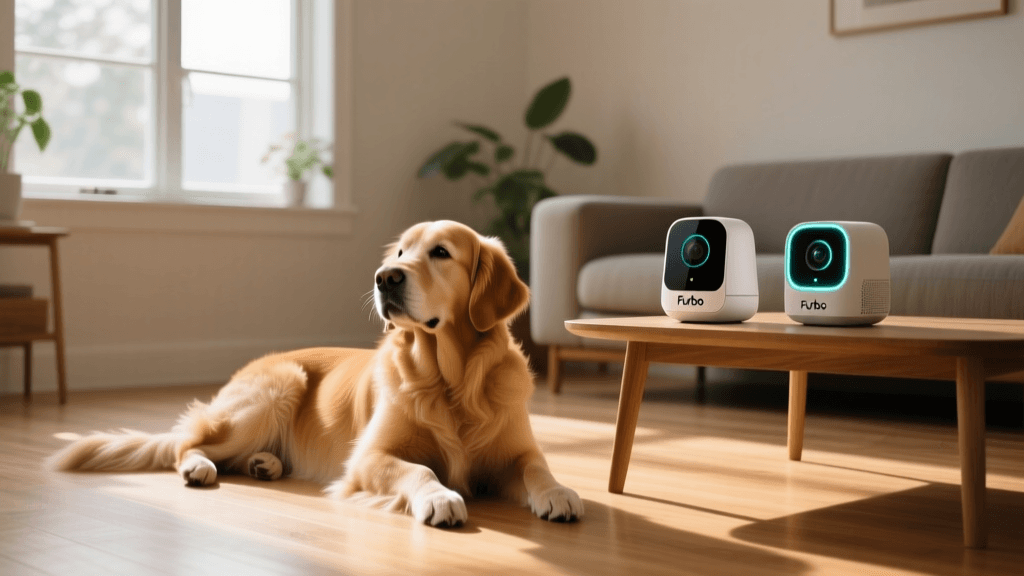
For owners navigating the challenges of a reactive dog, leaving the house or dealing with unpredictable household noises can be a massive source of stress. The integration of high-definition cameras with artificial intelligence and automated treat-dispensing mechanisms has revolutionized how we approach canine behavioral therapy at home. This guide explores how to leverage the top two contenders in the 2026 market—the Furbo 360 and the Petcube Bites 3—to effectively manage and reduce your dog's anxiety and reactivity.
The Science of Remote Counter-Conditioning
Before diving into hardware, it is crucial to understand the behavioral science that makes these devices effective. Reactive and anxious dogs are operating from a place of fear or over-arousal. The goal of training is not merely to suppress the barking or pacing, but to change the dog's underlying emotional response to the trigger. This is known as classical counter-conditioning.
According to the American Kennel Club, reactive dogs require positive associations with their triggers to build long-term confidence. When your dog hears a trigger (like a delivery truck or a doorbell), the camera allows you to instantly deliver a high-value reward from across the room. Over time, the dog's brain rewires its response: instead of the doorbell predicting an intruder and triggering a bark-fest, the doorbell predicts a piece of freeze-dried liver. The trigger becomes the cue to look at the camera and wait for a treat.
2026 Hardware Showdown: Furbo 360 vs. Petcube Bites 3
Choosing the right device depends on your specific household layout, your dog's size, and the nature of their anxiety. Both the Furbo 360 and the Petcube Bites 3 have received significant firmware and AI upgrades for 2026, enhancing their bark detection algorithms and treat-tossing reliability. Below is a detailed comparison of their current specifications.
Feature Comparison Chart
| Feature | Furbo 360 (2026 Edition) | Petcube Bites 3 |
|---|---|---|
| Video Resolution | 2K HD with HDR | 2K HD with Wide Dynamic Range |
| Field of View | 360-degree rotating pan & tilt | 160-degree fixed wide-angle |
| Treat Capacity | Holds approx. 30-40 small treats | Holds approx. 1.5 lbs of treats |
| AI Smart Alerts | >Dog-specific bark, crying, and vomiting detectionSound, motion, and person/pet detection | |
| Night Vision | Enhanced infrared (no-glow) | Standard infrared |
| 2026 Base Price | $199.99 | $179.99 |
Step-by-Step Doorbell Desensitization Protocol
Doorbell reactivity is one of the most common issues faced by owners of reactive dogs. The sudden, loud noise often triggers a territorial or fearful response. Using your treat camera, you can run a systematic desensitization protocol while you are in another room or even away from the house, removing the pressure of your physical presence.
Step 1: Establish the Camera Baseline
Before introducing any triggers, ensure your dog loves the camera. Spend a week manually tossing treats through the app while you are sitting on the couch. The dog must learn that the camera is a reliable source of high-value rewards. Use soft, aromatic treats like small pieces of boiled chicken or commercial training pastes that won't jam the 2026 dispensing mechanisms.
Step 2: Introduce the Trigger at Sub-Threshold
Using a smart home speaker or your phone, play a recording of your doorbell at a very low volume—so low that your dog notices it but does not bark or panic. This is called working 'under threshold'. The moment the sound plays, use the camera to toss a treat. Repeat this 10 to 15 times in a single session.
Step 3: Increase Intensity Gradually
Over the course of several weeks, slowly increase the volume of the doorbell recording. If your dog reacts with fear or aggression, you have increased the volume too quickly. Drop back down to the previous successful volume. The goal is for the dog to hear the doorbell and immediately run to the camera, anticipating a treat rather than rushing the door to bark.
Step 4: Generalize to Real-World Scenarios
Once your dog is completely relaxed with the high-volume recording, have a friend ring the actual doorbell from outside while you monitor the camera feed. Toss treats immediately upon the first ring. Eventually, you can pair this with the 'go to your mat' command, teaching the dog to retreat to a safe, designated spot when the doorbell rings.
Managing Separation Anxiety with Remote Enrichment
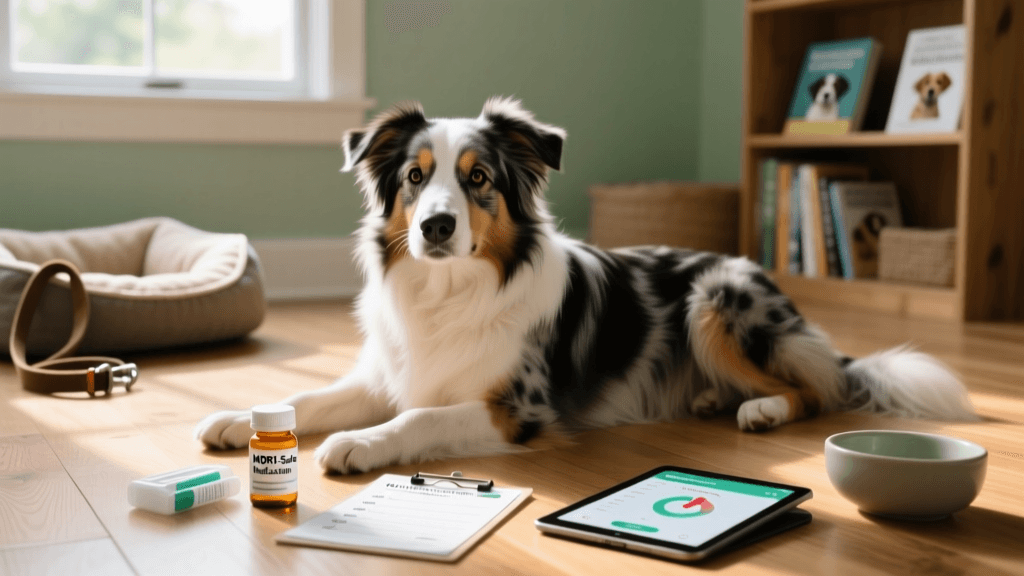
Separation anxiety is a profound panic disorder in dogs, not merely 'bad behavior.' The ASPCA notes that dogs with true separation anxiety exhibit extreme distress, including destructive behavior, inappropriate elimination, and continuous vocalization when left alone. While a camera cannot replace a comprehensive behavioral modification plan or veterinary-prescribed anti-anxiety medication, it is an invaluable monitoring and enrichment tool.
Monitoring Departure Cues
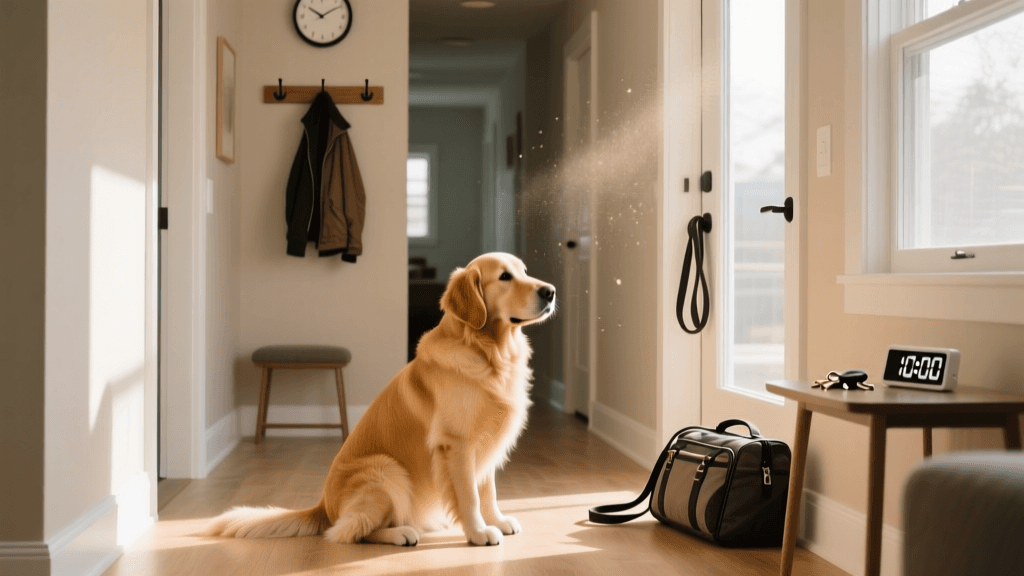
Dogs with separation anxiety often begin to panic before you even leave the house. They pick up on 'departure cues' like putting on shoes, grabbing keys, or picking up a coat. Using the 360-degree pan feature on the Furbo, you can monitor your dog's body language from another room. Look for subtle signs of stress: lip licking, yawning, pacing, or whale eye. If you see these signs, you know you need to work on desensitizing those specific departure cues before attempting longer absences.
Interactive Enrichment vs. Passive Watching
It is important to note that simply talking to your anxious dog through the camera's two-way audio can sometimes increase their frustration, as they can hear you but cannot find you. Instead, use the camera to trigger automated treat-tossing games or pair the camera with a smart puzzle feeder. In 2026, many owners sync their treat cameras with automated snuffle mats or lick mats pre-smeared with dog-safe peanut butter, using the camera's audio cue to signal the dog to engage with the calming enrichment activity.
High-Value Treat Selection for 2026 Camera Models
A common point of failure in remote training is treat jamming. The internal mechanisms of both Furbo and Petcube rely on gravity and small paddles. To ensure smooth operation during critical counter-conditioning moments, you must select the right treats.
- Freeze-Dried Minnows or Liver: These are lightweight, highly aromatic, and shatter easily if they get caught, preventing motor burnout.
- Small Kibble (Puppy Size): If your dog is food-motivated, small-breed kibble works perfectly and holds hundreds of pieces in the Petcube's large hopper.
- Avoid: Moist treats, jerky strips, or treats with sticky coatings (like yogurt-covered biscuits). These will gum up the 2026 sensors and cause the machine to fail when your dog needs a reward the most.
2026 Subscription and Hardware Costs
When budgeting for a smart treat camera, remember that the hardware is only the initial investment. To unlock the advanced AI features necessary for anxiety management—such as bark alerts, crying detection, and auto-tossing routines—a monthly subscription is required.
As of 2026, the Furbo Dog Nanny subscription costs $9.99 per month (or $99 annually). This includes smart alerts, cloud recording, and the 'Auto-Toss' feature, which can be programmed to dispense treats at randomized intervals to keep anxious dogs engaged while you are at work.
The Petcube Care plan is similarly priced at $9.99 per month, offering 90 days of rolling video history, sound alerts, and vet chat access, which can be useful for quick consultations regarding your dog's stress behaviors.
Expert Tips for Camera Training Success
Technology is only as effective as the training protocol behind it. To maximize your success when managing a reactive or anxious dog, keep these expert tips in mind:
- Keep Sessions Short: Counter-conditioning sessions via camera should last no more than 5 to 10 minutes. Prolonged sessions can lead to treat satiation and decreased motivation.
- Use the 'Toss' Sound as a Conditioned Reinforcer: The mechanical whir and 'pop' of the treat tossing can become a secondary reinforcer. Over time, just the sound of the machine can trigger a dopamine release in your dog's brain, helping to soothe them before the treat even lands.
- Combine with Calming Pheromones: Place an Adaptil Calm diffuser near the camera setup. The combination of maternal dog-appeasing pheromones and remote treat delivery creates a powerful 'safe zone' in your home.
- Consult a Professional: If your dog's reactivity includes aggression, or if their separation anxiety results in self-injury, use the camera footage to consult with a certified veterinary behaviorist. The video data you collect is incredibly valuable for professionals diagnosing the root cause of the anxiety.
Conclusion
Managing a reactive or anxious dog in 2026 is a journey that requires empathy, scientific training methods, and the right tools. Both the Furbo 360 and the Petcube Bites 3 offer exceptional features for remote counter-conditioning and separation anxiety monitoring. By understanding the behavioral science, selecting the right hardware for your space, and adhering to a structured desensitization protocol, you can transform your dog's relationship with their triggers. Ultimately, these smart cameras provide more than just a window into your home; they provide a lifeline of positive reinforcement that helps your anxious dog feel safe, secure, and loved, even when you cannot be physically by their side.
beth-carrasco
All our authors care for dogs every day — read more of their work on the authors page.