Omega-3 Supplements For Dog Training Focus: 2026 Guide
Discover how Omega-3 fatty acids like DHA and EPA boost canine cognitive function, memory, and focus during obedience training sessions in 2026.
The Neurological Edge: Why Omega-3s Matter for Canine Training
When most dog owners think of obedience training, behavioral conditioning, or trick teaching, they focus on the external tools: clickers, high-value treats, leashes, and harnesses. However, as we navigate the advanced canine behavioral science of 2026, top trainers and veterinary nutritionists are increasingly emphasizing an internal tool that dramatically accelerates learning: neuro-nutrition. Specifically, Omega-3 fatty acids—docosahexaenoic acid (DHA) and eicosapentaenoic acid (EPA)—are proving to be game-changers for canine cognitive function, focus, and memory retention during rigorous training sessions.
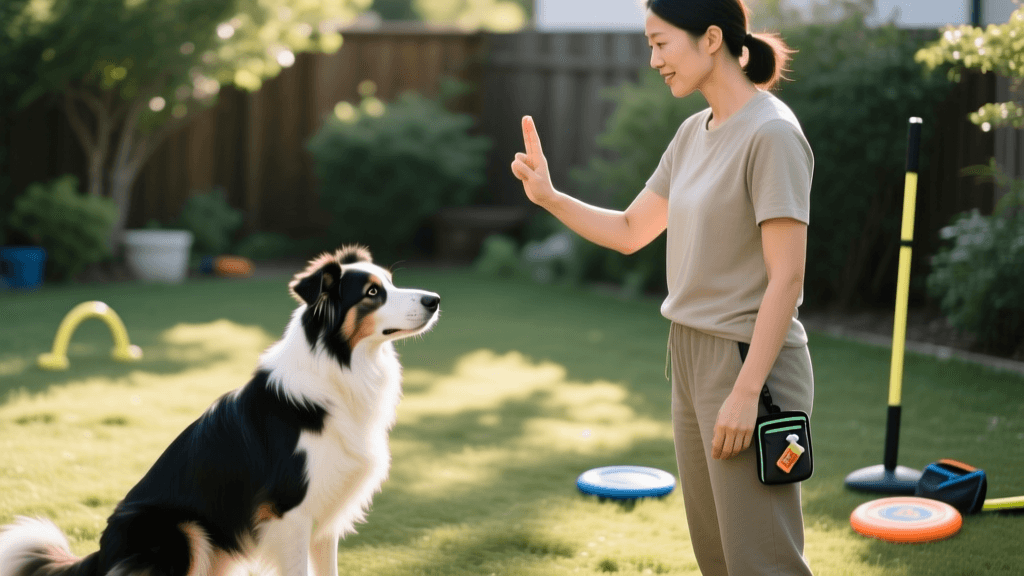
Training a dog is fundamentally an exercise in neuroplasticity. You are asking your dog to form new neural pathways, associate verbal or visual cues with specific physical actions, and inhibit their natural impulses in favor of conditioned responses. If a dog's brain is not optimized for cellular health and neurotransmitter function, even the most expertly timed clicker training will yield slow, frustrating results. According to foundational nutritional guidelines highlighted by the American Kennel Club, Omega-3s are essential nutrients that dogs cannot produce on their own, making dietary supplementation critical for working, sport, and companion dogs alike.
How DHA and EPA Directly Impact Training Outcomes
1. Accelerated Memory Consolidation and Command Retention
DHA is a primary structural component of the mammalian brain. In puppies undergoing foundational socialization and basic obedience training, DHA is vital for brain development. Studies have consistently shown that puppies fed diets rich in DHA exhibit significantly improved cognitive performance, meaning they learn commands like 'sit', 'stay', and 'recall' faster and retain them longer. For adult dogs learning complex tricks or advanced off-leash obedience, DHA supports synaptic plasticity, allowing the brain to efficiently encode new behavioral patterns.
2. Enhanced Focus and Impulse Control
One of the most common hurdles in behavioral conditioning is environmental reactivity. A dog that is easily distracted by passing squirrels, other dogs, or loud noises lacks the impulse control required for sustained training sessions. EPA plays a crucial role in modulating neuro-inflammation. By reducing inflammation in the central nervous system, EPA helps stabilize mood and promotes a calm, focused state of mind. This is particularly valuable for dogs undergoing desensitization and counter-conditioning for leash reactivity or separation anxiety. A calmer brain is a brain that can focus on the handler's cues rather than the environment's triggers.
3. Joint Support for Agility and Working Dogs
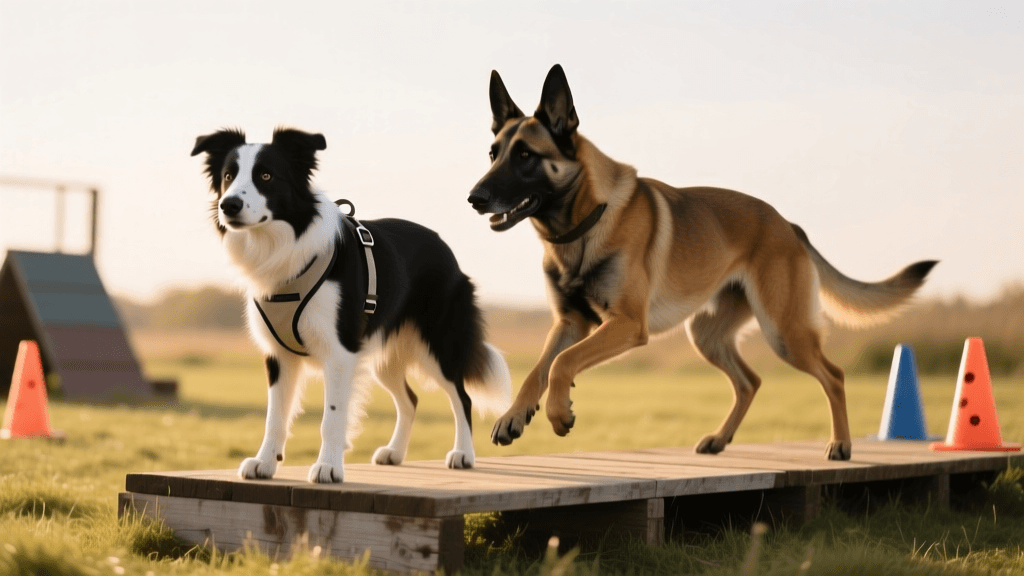
Physical discomfort is a silent killer of training motivation. If a dog is experiencing subclinical joint pain, they may begin to refuse jumps, weave poles, or even simple 'down' commands, which trainers often misinterpret as stubbornness or a lack of focus. The potent anti-inflammatory properties of EPA ensure that canine athletes in agility, flyball, or protection sports remain physically comfortable, keeping their drive and enthusiasm high throughout demanding 2026 training camps. Furthermore, the reduction in systemic inflammation means faster recovery times between intense physical training sessions, allowing working dogs to maintain peak performance without the mental fatigue that often accompanies chronic pain.
Puppy Socialization and the Critical DHA Window
The first sixteen weeks of a puppy's life represent a critical window for socialization and foundational behavioral conditioning. During this period, the puppy's brain is rapidly developing, forming the neural architecture that will dictate their lifelong responses to novel stimuli, handling, and environmental stressors. Veterinary behaviorists emphasize that DHA is the primary structural fatty acid required during this neurodevelopmental phase. Puppies supplemented with adequate levels of DHA demonstrate superior problem-solving skills and adaptability in puppy kindergarten classes. They are less prone to fear-based reactivity when introduced to strange surfaces, loud noises, or unfamiliar dogs. By ensuring your puppy's diet is heavily fortified with bioavailable DHA during this 2026 socialization window, you are effectively laying a neurological foundation of confidence and curiosity, which are the bedrock traits of a highly trainable adult dog.
Comparing Omega-3 Sources for Training Applications
Not all Omega-3 supplements are created equal. The source of the fatty acids dictates the ratio of EPA to DHA, as well as the bioavailability of the nutrients. Below is a comparison chart to help you select the right cognitive fuel for your specific training discipline.
| Omega-3 Source | EPA/DHA Profile | Best Training Application | Bioavailability |
|---|---|---|---|
| Wild-Caught Salmon Oil | Balanced EPA/DHA | General obedience and focus | High (Triglyceride form) |
| Krill Oil | Higher EPA, Astaxanthin | High-stress agility and reactivity | Very High (Phospholipid form) |
| Algal Oil | High DHA, Low EPA | Puppy foundational training | Moderate to High |
| Green-Lipped Mussel | Unique ETA, EPA, DHA | Working dogs and joint-heavy sports | High |
For trainers focusing on puppy kindergarten and early socialization, Algal Oil or a DHA-heavy Salmon Oil is ideal. For handlers working with high-drive dogs in stressful environments (like competitive obedience or search and rescue), Krill Oil's phospholipid structure ensures rapid absorption and potent anti-anxiety benefits. Experts at the Tufts Cummings School of Veterinary Medicine frequently remind owners that the therapeutic benefits of fish oil are entirely dependent on the actual concentrations of EPA and DHA, not just the total amount of 'fish oil' listed on the front of the bottle.
Integrating Omega-3s Into Your 2026 Training Routine
Strategic Timing for Cognitive Peaks
While Omega-3s are a long-term supplement that builds up in the body's cellular membranes over weeks, how you administer them can influence your training day. Because Omega-3s are fat-soluble, they must be given with a meal containing dietary fat for proper absorption. However, for high-intensity training days, many elite handlers incorporate a small, Omega-3-rich snack (like a single sardine packed in water or a piece of freeze-dried salmon skin) about 90 minutes before a session. This provides a steady stream of cognitive-supporting nutrients without causing the lethargy associated with a heavy meal. It is also crucial to maintain consistency. Omega-3s do not work like a stimulant that provides an immediate, short-term spike in energy; rather, they integrate into the cell membranes of the brain over a period of four to six weeks. Trainers must be patient and consistent with daily dosing to observe the profound shifts in attention span and emotional regulation.
Using Omega-3s as High-Value Training Rewards
In behavioral conditioning, the value of the reward dictates the strength of the reinforcement. Omega-3-rich foods are naturally pungent and highly palatable to dogs, making them exceptional high-value treats for difficult commands or high-distraction environments. Instead of relying on processed training treats, consider using dehydrated green-lipped mussels or tiny flakes of wild-caught salmon. These not only reinforce the desired behavior instantly but also contribute to the dog's daily neuro-nutritional requirements.
The 2026 Buyer's Guide: What to Look For
The supplement market is saturated, and poor-quality fish oils can actually introduce harmful heavy metals or oxidized lipids into your dog's system, which increases oxidative stress and harms cognitive function. When shopping for an Omega-3 supplement to support your dog's training journey this year, adhere to these strict criteria:
- Triglyceride Form: Ensure the oil is in its natural triglyceride form rather than the synthetic ethyl ester form. Triglycerides are vastly more bioavailable for canine digestion.
- Third-Party Testing: Look for the National Animal Supplement Council (NASC) Quality Seal or an IFOS (International Fish Oil Standards) 5-star rating. This guarantees the product is free from mercury, PCBs, and dioxins.
- Dark Glass Packaging: Omega-3s are highly susceptible to oxidation when exposed to light and air. Always choose oils packaged in dark amber or cobalt glass bottles with a pump dispenser, rather than clear plastic bottles that promote rancidity.
- Clear EPA/DHA Labeling: The label must explicitly state the milligrams of EPA and DHA per pump or capsule. A generic '1000mg Fish Oil' label is a red flag if the active Omega-3 breakdown is missing.
Common Training Mistakes Related to Canine Nutrition
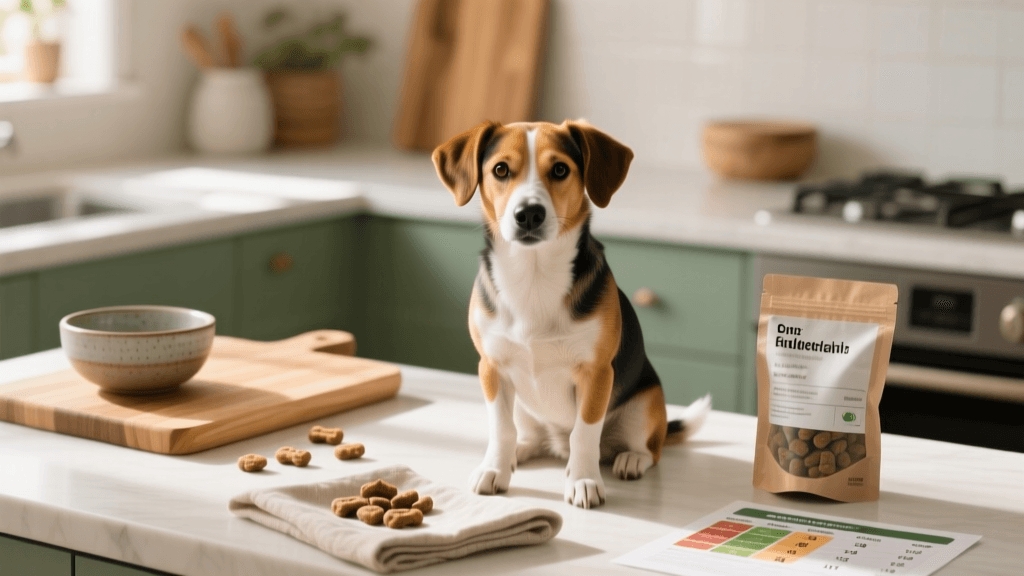
Even the most dedicated trainers can sabotage their progress by overlooking dietary impacts on behavior. A common mistake in 2026 is assuming that a commercial kibble labeled 'with Omega-3s' provides therapeutic doses. In reality, the extrusion process used to make kibble often degrades delicate fatty acids, and the amounts included are rarely sufficient for cognitive enhancement. To see real changes in your dog's focus, attention span, and trick-learning speed, a dedicated, high-quality liquid or capsule supplement is required.
Furthermore, avoid the temptation to use human Omega-3 supplements. Many human formulations contain added flavorings like lemon or, worse, artificial sweeteners like xylitol, which is highly toxic to dogs. Always stick to canine-specific formulations or pure, unflavored wild-caught fish oils.
Conclusion: Feeding the Brain to Train the Dog
As we advance our understanding of canine cognition in 2026, the line between nutrition and behavioral training continues to blur. You cannot train a brain that lacks the building blocks required to learn. By strategically incorporating high-quality, EPA- and DHA-rich Omega-3 supplements into your dog's daily regimen, you are doing more than just supporting their coat and joints—you are actively optimizing their neural pathways for faster learning, deeper focus, and unbreakable impulse control. Whether you are teaching a puppy their first recall or refining an agility dog's weave pole entries, neuro-nutrition is the ultimate unseen partner in your training success.
beth-carrasco
All our authors care for dogs every day — read more of their work on the authors page.