Boost Dog Training Focus With Omega-3 DHA in 2026
Discover how Omega-3 DHA supplements improve canine cognitive function, reduce training anxiety, and boost focus during obedience sessions in 2026.
The Neurobiology of Canine Focus and Omega-3 Fatty Acids
When we think of dog training, we often focus on mechanics: treat timing, leash pressure, and repetition. However, in 2026, the most successful canine behaviorists and obedience trainers are looking inward—specifically at the neurobiology of the canine brain. At the core of this cognitive approach is the strategic use of Omega-3 fatty acids, particularly Docosahexaenoic Acid (DHA) and Eicosapentaenoic Acid (EPA), to enhance focus, accelerate learning, and reduce reactivity during training sessions.
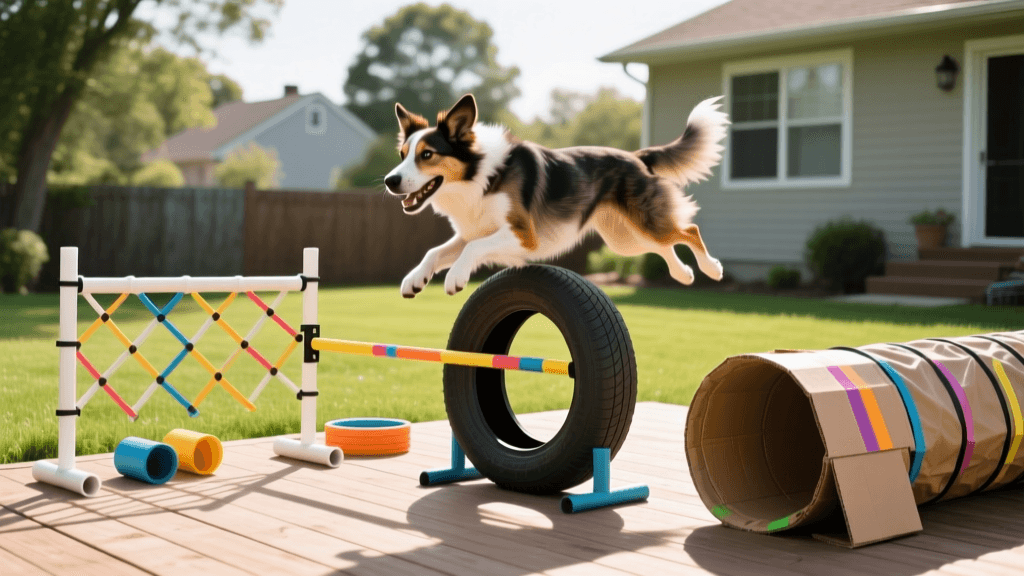
DHA is a primary structural component of the mammalian brain and central nervous system. For puppies undergoing early socialization and foundational obedience, DHA is critical for synaptic plasticity—the brain's ability to form and reorganize synaptic connections, especially in response to learning or experience. According to nutritional guidelines highlighted by the American Kennel Club (AKC), Omega-3s are essential for optimal cognitive development. But this isn't just for puppies; adult dogs learning complex trick chains, agility courses, or advanced off-leash obedience rely heavily on DHA to consolidate motor memories and maintain sustained attention in high-distraction environments.
Behavioral Conditioning: Lowering the Reactivity Threshold with EPA
While DHA is the star for memory and focus, EPA plays a monumental role in behavioral modification, particularly for reactive, anxious, or easily overstimulated dogs. When a dog encounters a trigger (like another dog or a loud noise), their sympathetic nervous system initiates a fight-or-flight response, flooding the brain with cortisol and adrenaline. In this state, the dog is 'over threshold' and physically incapable of learning new obedience cues.
EPA is a potent anti-inflammatory agent that crosses the blood-brain barrier to reduce neuro-inflammation. By calming the central nervous system, EPA helps reactive dogs recover their baseline arousal levels much faster. This means that during desensitization and counter-conditioning (DS/CC) protocols, a dog supplemented with high levels of EPA can remain in the 'thinking brain' (the prefrontal cortex equivalent) longer, allowing you to successfully mark and reward calm behavior before a reactive outburst occurs. The Cummings School of Veterinary Nutrition at Tufts University frequently notes the systemic and neurological benefits of high-quality fish oils in managing canine inflammatory responses, which directly supports behavioral stability.
Calculating the Correct Training Dose for 2026
A common mistake dog owners make is under-dosing Omega-3s. The amount required for a shiny coat is vastly different from the amount required for cognitive support and behavioral conditioning. For general health, a standard maintenance dose is sufficient. However, for active training dogs, canine sports competitors, and dogs undergoing intensive behavioral rehabilitation, veterinary nutritionists often recommend a higher therapeutic dose.
- Maintenance (Skin/Coat): 20-30 mg of combined EPA/DHA per kg of body weight.
- Cognitive & Training Support: 50-75 mg of combined EPA/DHA per kg of body weight.
- Severe Reactivity/Neuro-Support: Up to 100 mg of combined EPA/DHA per kg of body weight (under veterinary supervision).
Always introduce high doses gradually over two weeks to avoid gastrointestinal upset, which can derail your training schedule by causing loose stools and lethargy.
2026 Omega-3 Supplement Comparison for Training Dogs
The pet supplement market in 2026 is saturated, but not all fish oils are created equal. Oxidized (rancid) fish oil actually promotes inflammation, entirely defeating the purpose of your behavioral conditioning plan. Below is a comparison of top-tier, third-party tested Omega-3 formulations tailored to specific training needs.
| Brand (2026 Formulation) | EPA/DHA Ratio | Best Training Application | Format |
|---|---|---|---|
| Nordic Naturals Omega-3 Pet | High EPA / Moderate DHA | Reactivity, Anxiety & Desensitization | Liquid Pump |
| Zesty Paws Wild Alaskan Salmon | Balanced EPA/DHA | Puppy Obedience & Foundational Focus | Liquid Pump |
| Native Pet Omega Zone | Moderate EPA / High DHA | Advanced Trick Learning & Motor Memory | Powder Scoop |
When selecting a product, always verify that the brand submits to third-party testing for heavy metals and oxidation levels. The International Fish Oil Standards (IFOS) program remains the gold standard for verifying the purity and freshness of Omega-3 supplements. If a brand cannot provide a certificate of analysis proving low peroxide values, do not feed it to your training dog.
Timing and Integration into Your Training Routine
Omega-3 fatty acids are not a stimulant; you will not see an immediate 'zoomie-busting' effect ten minutes after administration like you might with a calming chew containing L-theanine. Instead, DHA and EPA work by structurally altering cell membranes and reducing systemic inflammation over time. It typically takes 4 to 6 weeks of consistent daily supplementation for DHA levels to peak in the canine brain and for EPA to sufficiently lower neuro-inflammation.
To maximize the benefits during your training season, begin your Omega-3 loading phase at least one month before you start a rigorous new obedience program, such as preparing for a competitive obedience trial, starting a rigorous scent-work course, or beginning an intensive board-and-train behavioral rehabilitation program.
Practical Focus Drills to Pair with Omega-3 Loading
Once your dog's DHA levels are optimized, you will likely notice an increased capacity for sustained attention. Capitalize on this neuro-plasticity window with the following high-focus drills:
1. The 'Watch Me' Duration Build
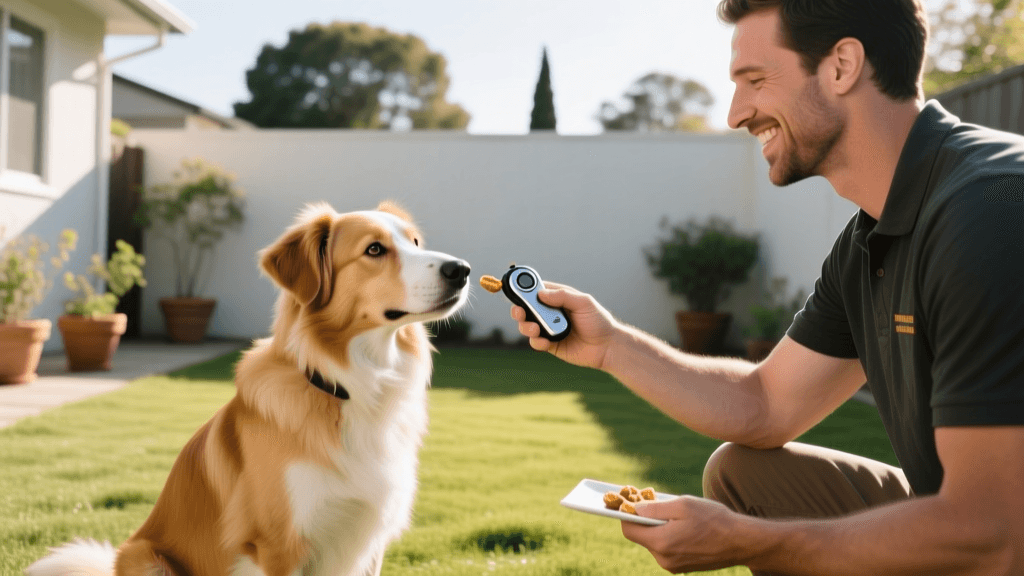
With enhanced cognitive endurance, your dog can now handle longer duration eye-contact exercises. Start in a low-distraction environment. Ask for a 'Watch Me' (eye contact) and delay the marker word ('Yes!' or a click) by half-second increments. A dog with optimized DHA levels will show less frustration during the extinction bursts that occur when they are trying to figure out why the reward is delayed. Push the duration up to 10 full seconds of unbroken eye contact before marking and rewarding with a high-value treat.
2. Mat Place Command with Environmental Distractions
The 'Place' command requires immense impulse control. Send your dog to their mat and reward heavily for settling. Once they are relaxed, introduce environmental distractions: drop a leash, bounce a tennis ball, or open and close the front door. The EPA in their system will help prevent the sudden spike in sympathetic nervous system arousal, allowing the dog to process the distraction, choose to remain on the mat, and look back to you for guidance. This drill is the cornerstone of public-access obedience and therapy dog preparation.
3. Complex Trick Chaining
For sport dogs, DHA is vital for sequence memory. Teach a three-part trick chain (e.g., Spin -> Bow -> Fetch). Because DHA supports the hippocampus—the brain region responsible for spatial memory and sequence recall—your dog will require fewer repetitions to lock in the motor sequence, reducing physical fatigue and mental burnout during long training sessions.
Sourcing, Safety, and Storage Best Practices
The greatest threat to your dog's cognitive training plan in 2026 is rancidity. Polyunsaturated fats like Omega-3s are highly unstable and prone to oxidation when exposed to light, heat, and oxygen. Feeding oxidized fish oil introduces free radicals into your dog's body, which can cause joint stiffness, gastrointestinal distress, and increased neuro-inflammation—the exact opposite of what you are trying to achieve for your obedience training.
To protect your investment and your dog's brain health, follow these strict storage rules:
- Refrigerate immediately: Liquid fish oils must be kept in the fridge after opening. The cold temperature drastically slows the oxidation process.
- The 'Sniff Test': Fresh, high-quality Omega-3 oil should smell like the ocean or have a very mild, clean fish scent. If it smells sharply fishy, sour, or like rotting seafood, it has oxidized. Throw it away immediately.
- Pump over squeeze: Bottles with vacuum-seal pump dispensers are vastly superior to squeeze bottles, as they prevent ambient oxygen from entering the container and degrading the remaining oil.
- Consider Algae Oil: For dogs with severe fish protein allergies, or for owners seeking a more sustainable, heavy-metal-free 2026 alternative, marine algae oil provides a direct, bioavailable source of DHA and EPA without the risk of oceanic pollutants bio-accumulating in the food chain.
Conclusion
Exceptional dog training is a partnership between clear communication, consistent mechanics, and biological readiness. By strategically leveraging Omega-3 DHA and EPA in 2026, you are not just improving your dog's coat or joint health; you are actively optimizing their neurological hardware. A brain fortified with high-quality, third-party-tested Omega-3s is a brain that can focus longer, recover from stress faster, and build the neural pathways required for elite obedience and a harmonious life together.
priya-sutaria
All our authors care for dogs every day — read more of their work on the authors page.