Fueling Focus: Nutrition and Treats for Dog Training
Discover how targeted nutrition and high-value training treats boost your dog's focus. Learn caloric management, timing, and cognitive-boosting ingredients.
The Biochemistry of Canine Trainability
When dog owners think of obedience training, they typically focus on psychology, timing, and repetition. However, a critical and often overlooked component of successful behavioral conditioning is biochemistry. A dog's ability to focus, retain new commands, and maintain energy levels during a 30-minute training session is directly tied to their nutritional status. Just as human athletes require specific macronutrient profiles to perform optimally, working and training dogs require targeted nutrition to fuel their cognitive functions. The brain consumes a disproportionate amount of the body's glucose and oxygen, and without the right building blocks, a dog will experience mental fatigue, leading to frustration and a breakdown in communication between handler and pet.
According to the World Small Animal Veterinary Association (WSAVA), nutrition is considered a vital sign in veterinary medicine, and this extends to how we manage a dog's daily caloric and nutrient intake during active learning phases. In this deep dive, we will explore how to optimize your dog's diet for maximum trainability, how to select the right rewards, and how to manage caloric intake to prevent training-induced obesity.
High-Value vs. Low-Value Rewards: A Nutritional Perspective
In positive reinforcement training, treats are categorized by their 'value' to the dog. This value is not just about taste; it is about the biological drive the food triggers. High-value treats are typically rich in animal proteins, high in moisture, and possess a strong olfactory signature (smell). Low-value treats are often dry, carbohydrate-heavy, and have a mild scent.
The Palatability Matrix
The palatability of a treat is determined by its fat content, protein source, and moisture level. Dogs have an evolutionary preference for high-fat, high-protein foods. When a dog consumes a high-value treat like freeze-dried beef liver, their brain releases a surge of dopamine, which reinforces the neural pathway associated with the behavior they just performed. Conversely, using a dry, starchy biscuit in a high-distraction environment (like a busy dog park) will often fail to trigger a sufficient dopamine response, resulting in the dog ignoring the handler.
- Low-Value Treats: Dry kibble, standard commercial biscuits, carrot pieces. Best for: Luring basic behaviors indoors, shaping exercises, and training in zero-distraction environments.
- Medium-Value Treats: Soft commercial chews, boiled chicken breast, low-fat string cheese. Best for: Leash walking practice, recall training in the yard, and introducing new tricks.
- High-Value Treats: Freeze-dried liver, tripe, sardines, real meat baby food (no onion/garlic). Best for: Counter-conditioning, reactivity training, veterinary desensitization, and high-distraction environments.
Strategic Treat Selection and Caloric Breakdown
One of the greatest risks of intensive training is accidental overfeeding. A 50-pound dog requires roughly 1,000 to 1,200 calories per day. If a handler uses large treats during a session, the dog can easily consume 300+ extra calories in 20 minutes, leading to rapid weight gain. The Tufts Cummings Veterinary Medical Center emphasizes that treats should never make up more than 10% of a dog's daily caloric intake to prevent nutritional imbalances and obesity.
Below is a comparison chart of common training treats, their nutritional profiles, and their best use cases to help you plan your training sessions effectively.
| Treat Category | Example Brand / Item | Calories per Treat | Protein/Fat Profile | Best Training Scenario | Approx. Cost per oz |
|---|---|---|---|---|---|
| Low-Value (Dry) | Zuke's Mini Naturals | 3 kcal | Moderate Protein / Low Fat | Basic obedience, indoor luring, rapid-fire shaping | $0.45 |
| Medium-Value (Soft) | Boiled Chicken Breast (pea-sized) | 2 kcal | High Protein / Very Low Fat | Loose leash walking, recall, outdoor focus | $0.20 |
| High-Value (Freeze-Dried) | Stewart Pro-Treat Beef Liver | 5 kcal | Very High Protein / Moderate Fat | Reactivity counter-conditioning, high distraction | $1.10 |
| High-Value (Wet) | Canned Sardines in Water | 10 kcal (per piece) | High Protein / High Omega-3 Fat | Severe fear periods, veterinary handling | $0.30 |
Pre-Session Nutrition: Timing the Meal-to-Train Window
The timing of your dog's regular meals in relation to their training sessions can drastically alter their motivation and physical comfort. Training a dog immediately after a full meal is generally counterproductive. A full stomach diverts blood flow away from the brain and skeletal muscles toward the gastrointestinal tract to aid in digestion, leading to lethargy and poor focus. Furthermore, engaging in vigorous activity or high-stress training on a full stomach increases the risk of gastrointestinal upset and, in deep-chested breeds, the life-threatening condition known as Gastric Dilatation-Volvulus (GDV) or bloat.
Fasting vs. Feeding Before Sessions
For optimal trainability, schedule your most intensive obedience sessions when your dog is in a mild state of food motivation. This usually means training 2 to 3 hours after their last meal, or scheduling sessions right before their breakfast or dinner. If you train in the evening, you can feed 30% of their daily kibble allowance in the morning, and use the remaining 70% as training rewards throughout the afternoon and evening. This ensures the dog is hungry enough to be highly motivated by food, but not so ravenous that they become overly frantic and unable to process new information.
Cognitive Supplements: Omega-3s and Antioxidants
Beyond the treats used during the session, the foundational diet plays a massive role in long-term trainability and cognitive health. The American Kennel Club (AKC) notes that specific nutrients can enhance brain development in puppies and stave off cognitive dysfunction in senior dogs, making training easier across all life stages.
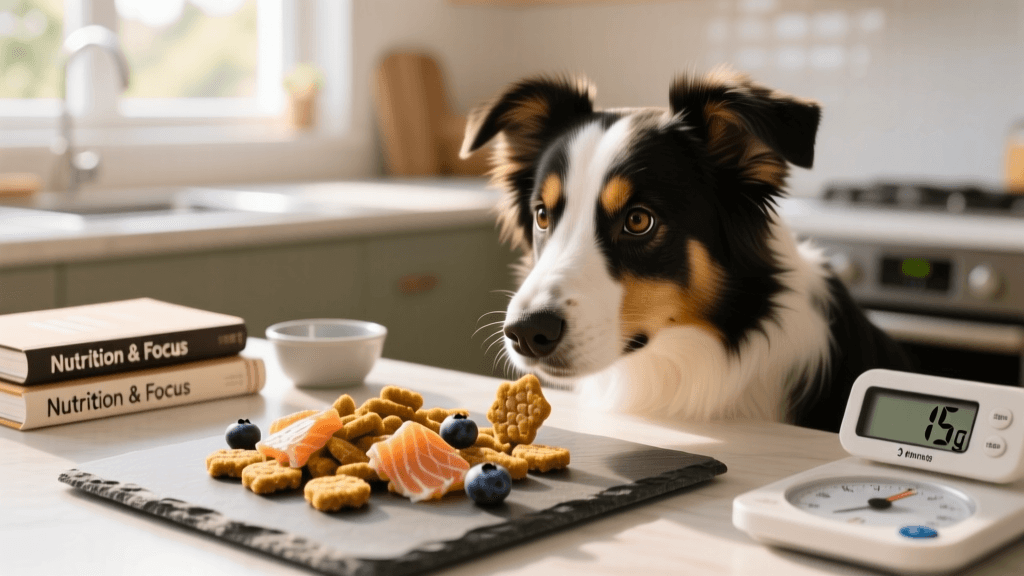
- DHA and EPA (Omega-3 Fatty Acids): Found abundantly in salmon oil, krill oil, and sardines, DHA is a primary structural component of the canine cerebral cortex. Supplementing a puppy's diet with DHA has been scientifically shown to improve their ability to learn new tasks and retain obedience commands. For adult dogs, Omega-3s reduce neuro-inflammation, keeping the mind sharp during complex trick training.
- Antioxidants (Vitamin E, Vitamin C, Beta-Carotene): Ingredients like blueberries, spinach, and sweet potatoes help neutralize free radicals in the brain. Adding a tablespoon of fresh, dog-safe blueberries to your dog's morning meal can provide a cognitive boost that aids in sustained focus during long agility or obedience trials.
- MCT Oil (Medium-Chain Triglycerides): Derived from coconut oil, MCTs bypass normal digestion and go straight to the liver, where they are converted into ketones. Ketones serve as an alternative, highly efficient energy source for the brain, which can be particularly beneficial for older dogs struggling to learn new behavioral modifications.
The 'Deduct and Substitute' Method for Weight Management
As previously mentioned, training treats can easily lead to obesity if not managed correctly. An obese dog suffers from joint pain, reduced stamina, and a shorter lifespan, all of which hinder physical training capabilities. To combat this, professional trainers and veterinary nutritionists recommend the 'Deduct and Substitute' method.
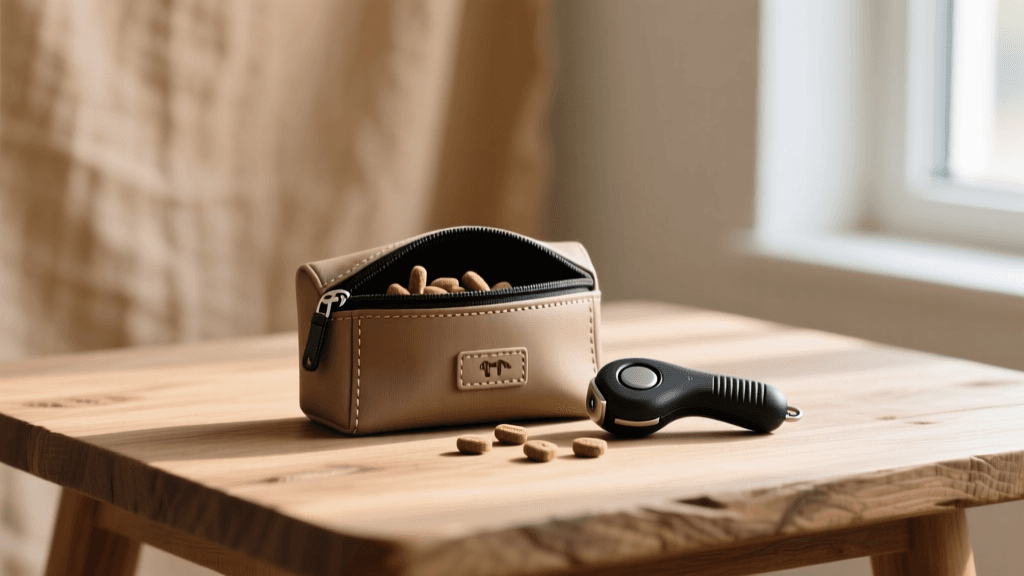
How it works: Before a heavy training day, measure out your dog's exact daily caloric requirement of kibble into a dedicated 'training pouch'. For example, if your dog requires 2 cups of kibble per day, place 2 cups into the pouch in the morning. Every time you give a treat during a training session, it must come from this pouch. If you use high-value treats like freeze-dried liver, you must physically remove an equivalent volume of kibble from the pouch and discard it (or save it for the next day) to maintain the caloric balance. At the end of the day, whatever kibble remains in the pouch is fed as the dog's evening meal. This guarantees that the dog receives the high-value motivation they need for training without exceeding their daily metabolic energy requirements.
Hydration: The Overlooked Training Essential
Finally, no nutritional training plan is complete without addressing hydration. Dogs cool themselves primarily through panting, which results in rapid and significant water loss. A dehydrated dog will experience a drop in blood volume, leading to decreased oxygen delivery to the brain and muscles. Signs of dehydration during training include excessive panting, thick saliva, delayed skin tenting, and a sudden refusal to eat treats (as saliva production ceases when the body is water-deprived).
Always bring a collapsible silicone bowl and fresh, cool water to your training sessions. Offer water every 10 to 15 minutes, especially during outdoor sessions or high-intensity agility work. If your dog is reluctant to drink plain water, you can add a splash of low-sodium, onion-free chicken broth to the water bowl to encourage fluid intake, ensuring their physiological systems remain primed for learning.
Conclusion
Mastering dog obedience and behavioral conditioning requires more than just patience and a clicker; it requires a deep understanding of canine nutrition. By strategically selecting high-value rewards based on the environment, timing meals to maximize food motivation, incorporating brain-boosting Omega-3s, and strictly managing caloric intake through the deduct and substitute method, you set your dog up for physiological and psychological success. Fueling your dog's brain properly transforms training from a frustrating chore into a highly rewarding, focused, and joyful partnership.
beth-carrasco
All our authors care for dogs every day — read more of their work on the authors page.