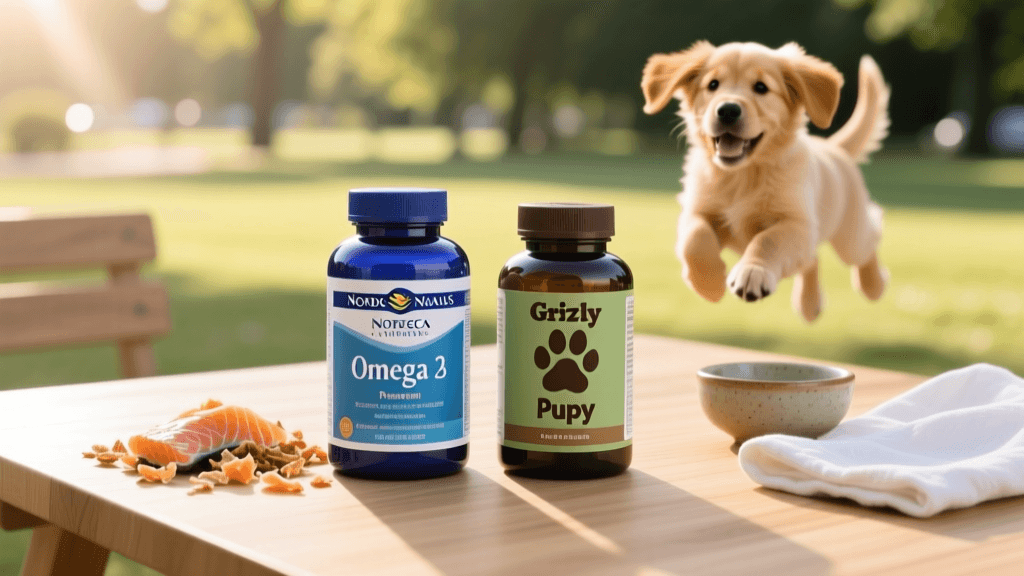
Top Omega-3 Supplements for Puppies in 2026: DHA & EPA Guide
Discover the best Omega-3 supplements for puppies in 2026. Learn safe DHA and EPA dosages, brain benefits, and top brand comparisons.
The Critical Role of Omega-3 Fatty Acids in Puppy Development
As we navigate the advanced nutritional landscape of 2026, veterinary science continues to underscore the irreplaceable role of Omega-3 fatty acids in early canine development. For growing puppies, Omega-3s are not just a luxury supplement; they are a foundational requirement for optimal neurological, visual, and musculoskeletal health. During the first six months of life, a puppy's brain and nervous system undergo rapid, exponential growth. Providing the right balance of Docosahexaenoic Acid (DHA) and Eicosapentaenoic Acid (EPA) during this critical window can significantly enhance cognitive function, trainability, and long-term joint health.
According to the American Kennel Club (AKC), Omega-3 fatty acids are essential fats that a dog's body cannot produce on its own in sufficient quantities, meaning they must be sourced directly from their diet. While many premium commercial puppy foods in 2026 are fortified with baseline levels of fish oil, the concentrations are often too low to provide therapeutic developmental benefits. This is where targeted supplementation becomes vital for responsible puppy owners.
DHA vs. EPA: Understanding the Puppy Ratio
Not all Omega-3s are created equal, especially when it comes to puppies. The two primary marine-derived Omega-3s are DHA and EPA, and they serve distinctly different purposes in a growing dog's body.
- DHA (Docosahexaenoic Acid): This is the structural superstar for puppies. DHA is a major component of the brain, retina, and nervous system. High levels of DHA during the first 16 weeks of life are directly linked to improved problem-solving skills, better socialization responses, and sharper vision.
- EPA (Eicosapentaenoic Acid): EPA acts primarily as an anti-inflammatory agent. While puppies need less EPA than adult dogs suffering from arthritis, a baseline level is crucial for supporting a healthy immune system and reducing systemic inflammation from vaccinations or environmental stressors.
For puppies under one year of age, veterinary nutritionists recommend a supplement profile that is heavily skewed toward DHA. A ratio of roughly 2:1 or 3:1 (DHA to EPA) is considered optimal for canine cognitive development.
2026 Puppy Omega-3 Dosage Chart
Dosing Omega-3s for puppies requires precision. Over-supplementation can lead to gastrointestinal upset, altered blood clotting, or excessive caloric intake. The World Small Animal Veterinary Association (WSAVA) emphasizes that supplement dosages should always be calculated based on the puppy's current metabolic weight and the specific concentration of the product being used.
Below is the generally accepted safe daily dosage guide for combined EPA and DHA for puppies in 2026, based on current veterinary consensus:
| Puppy Weight (lbs) | Puppy Weight (kg) | Combined EPA/DHA per Day (mg) | Primary Focus |
|---|---|---|---|
| 5 - 10 lbs | 2.2 - 4.5 kg | 100 - 150 mg | Brain & Retina Development |
| 11 - 20 lbs | 5.0 - 9.0 kg | 150 - 250 mg | Cognitive & Immune Support |
| 21 - 40 lbs | 9.5 - 18.0 kg | 250 - 400 mg | Joint Prep & Coat Health |
| 41 - 60 lbs | 18.5 - 27.0 kg | 400 - 550 mg | Large Breed Joint Support |
Note: Always consult your veterinarian before starting any supplement regimen, especially if your puppy is already consuming a prescription growth diet.
Top Puppy-Safe Omega-3 Supplements in 2026
The market for canine supplements has evolved dramatically, with stricter purity testing and better oxidation prevention. Here are the top three Omega-3 products we recommend for puppies this year.
1. Nordic Naturals Omega-3 Pet (Liquid)
Nordic Naturals remains the gold standard for purity and DHA concentration. Their Omega-3 Pet liquid is derived from wild anchovies and sardines, which are low on the food chain and naturally accumulate fewer heavy metals. In 2026, their formulation includes a natural strawberry flavoring that effectively masks the fishy odor, making it incredibly easy to mix into a puppy's kibble or raw diet.
- DHA/EPA Profile: High DHA focus, ideal for neurological growth.
- 2026 Pricing: Approximately $24.95 for a 16 oz bottle.
- Pros: Third-party tested for heavy metals; pump dispenser for exact dosing; highly palatable.
- Cons: Liquid format requires refrigeration after opening to prevent rancidity.
2. Grizzly Salmon Oil Plus (Pump)
Grizzly's Salmon Oil Plus is a fantastic option for owners who prefer a whole-food approach. Sourced from wild-caught Alaskan salmon, this 2026 formulation includes a proprietary antioxidant blend to preserve the oil's freshness inside the bottle. It provides a broader spectrum of Omega fatty acids, including Omega-6 and Omega-9, which work synergistically to promote a plush, healthy puppy coat.
- DHA/EPA Profile: Balanced ratio, excellent for skin and coat alongside brain health.
- 2026 Pricing: Approximately $19.99 for a 16 oz bottle.
- Pros: Convenient pump mechanism; sustainably sourced; great for picky eaters due to strong, appealing salmon scent.
- Cons: The strong scent can linger on your hands and the puppy's breath.
3. Zesty Paws Omega Bites (Soft Chews)
For puppies transitioning to solid treats, Zesty Paws Omega Bites offer a convenient, mess-free alternative to liquids. Formulated with AlaskOmega fish oil and flaxseed, these chews are designed for puppies over 12 weeks of age. They are particularly useful for training sessions, allowing you to deliver a precise dose of Omega-3s as a reward.
- DHA/EPA Profile: Moderate DHA, supplemented with plant-based ALA from flaxseed.
- 2026 Pricing: Approximately $27.99 for a 90-count bag.
- Pros: No refrigeration required; doubles as a training treat; grain-free and gluten-free.
- Cons: Not suitable for puppies under 12 weeks; contains more calories per serving than liquid oils.
How to Safely Introduce Fish Oil to Your Puppy
Introducing any new fat source into a puppy's diet must be done gradually to avoid steatorrhea (fatty stools) or general gastrointestinal distress. Follow this step-by-step protocol for the best results:
- Start with a Quarter Dose: For the first three days, administer only 25% of the recommended daily dose. Monitor your puppy's stool consistency closely.
- Increase to Half Dose: If stools remain firm, increase to 50% of the target dose for the next four days.
- Reach Full Dose: By day eight, you should be able to safely administer the full recommended dosage.
- Divide the Dose: If your puppy is on a higher dose (e.g., large breed puppies requiring 400mg+), split the oil between their morning and evening meals to aid digestion.
Storage and Freshness: Preventing Oxidation
One of the most common mistakes puppy owners make is improper storage of Omega-3 supplements. Fish oil is highly susceptible to oxidation when exposed to heat, light, and oxygen. Oxidized (rancid) fish oil is not only ineffective but can actually cause cellular damage and inflammation in your puppy's body.
2026 Storage Rule of Thumb: Always store liquid Omega-3 supplements in the refrigerator immediately after opening. If the oil develops a sharp, acrid, or rotting smell rather than a mild, fresh ocean scent, discard it immediately. Many premium brands now use dark amber or opaque UV-blocking bottles to extend shelf life, but refrigeration remains non-negotiable.
Monitoring Your Puppy's Response
Within three to four weeks of consistent Omega-3 supplementation, you should begin to notice tangible improvements in your puppy's health and behavior. The most immediate physical change is usually the coat; the fur will become noticeably softer, shinier, and shedding may decrease as the skin barrier strengthens.
Cognitively, many owners and trainers report that puppies supplemented with high-DHA diets exhibit longer attention spans during training sessions and recover more quickly from the stress of socialization outings. However, if you notice excessive fishy breath, loose stools that do not resolve after adjusting the dose, or unusual lethargy, discontinue use and consult your veterinarian. In 2026, with the wealth of high-quality, purified options available, finding the perfect Omega-3 match for your puppy's specific developmental needs has never been easier or more effective.
anouk-beaumont
All our authors care for dogs every day — read more of their work on the authors page.