Best No Pull Puppy Harness 2026: Safe Front-Clip Picks
Discover the best no pull dog harness for puppies in 2026. Learn how front-clip harnesses protect growing joints and stop leash pulling safely.
The Developmental Milestone: Leash Training in the First Year
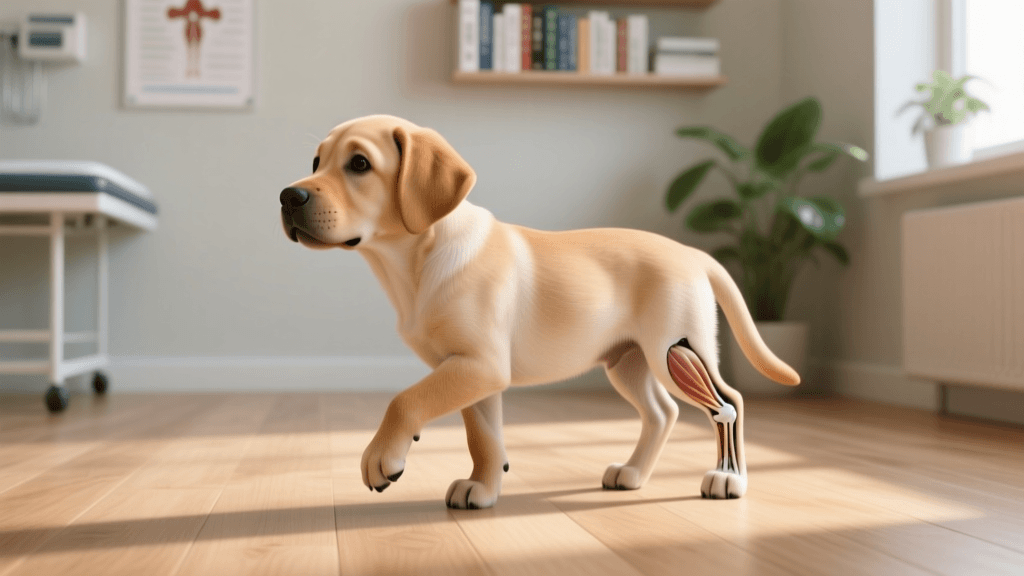
The first year of your puppy’s life is a whirlwind of developmental milestones, from the first tentative steps to the chaotic teething phase. Among the most critical milestones for a well-adjusted adult dog is leash training, which typically begins between 8 and 16 weeks of age. During this crucial socialization window, puppies are highly impressionable. How you introduce the concept of walking on a leash will shape their behavior for years to come. In 2026, veterinary behaviorists and professional dog trainers universally agree that the traditional neck collar is not the right tool for this developmental stage. Instead, the focus has shifted entirely to the no pull dog harness, specifically front-clip models designed to protect growing anatomy while gently discouraging pulling.
Why Collars Fail and the No Pull Dog Harness Wins
Puppies are naturally curious and easily distracted, which often results in sudden lunging, balking, or pulling toward interesting smells and sights. When a puppy wears a flat neck collar, all the kinetic force of their pulling—and the opposing force of you holding them back—is concentrated directly on their fragile trachea and cervical spine. According to the American Kennel Club (AKC), using a collar on a pulling puppy can lead to severe medical issues, including tracheal collapse, restricted airways, and long-term neck injuries.
A true no pull dog harness solves this anatomical vulnerability by distributing the force across the puppy’s broad chest and shoulders. When a puppy pulls forward in a well-fitted harness, the pressure is safely absorbed by their skeletal structure rather than their soft throat tissues. Furthermore, the Humane Society of the United States recommends harnesses for all dogs, noting that they provide owners with significantly better control over strong or excitable puppies without causing pain or fear.
The Anatomy of a True No Pull Dog Harness
Not all harnesses are created equal. If you walk into a pet supply store in 2026, you will see dozens of options, but many are merely 'back-clip' walking harnesses. While a back-clip harness protects the trachea, it actually encourages pulling by allowing the puppy to lean into their chest like a sled dog. To effectively train a puppy not to pull, you need a front-clip no pull dog harness.
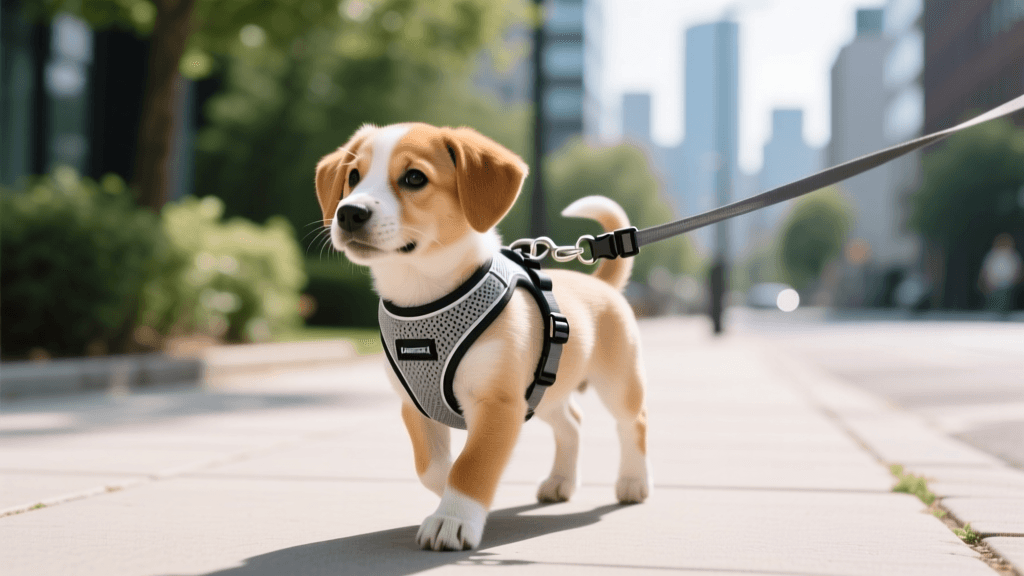
A front-clip harness features a D-ring located on the chest strap, right over the sternum. When the puppy pulls and hits the end of the leash, the front attachment point gently redirects their forward momentum back toward you. This natural pivoting motion breaks their focus, interrupts the pulling behavior, and turns them to face you, making it the ultimate tool for positive reinforcement leash training.
2026 Top Picks: Best No Pull Harnesses for Growing Puppies
The pet gear market in 2026 has introduced incredible advancements in breathable materials, eco-friendly fabrics, and escape-proof designs. Here are the top-rated no pull dog harnesses specifically suited for the rapid growth and high energy of puppies.
1. Kurgo Tru Fit Smart Harness (Best Overall for Puppies)
The Kurgo Tru Fit remains a gold standard in 2026, particularly because of its crash-tested durability and highly adjustable fit. Puppies grow at an unpredictable rate, and the Kurgo features five distinct adjustment points, allowing you to continuously resize the harness as your puppy transitions from a fluffy ball to an adolescent. The 2026 model utilizes an updated recycled ripstop fabric that is lightweight, preventing the harness from feeling overly bulky on a small puppy frame. The padded chest plate is excellent for protecting the sternum during sudden lunges.
2. Ruffwear Front Range (Best Premium Comfort)
If you plan on taking your puppy on long socialization hikes, the Ruffwear Front Range is a premium choice. It features dual clip attachments (front and back) and is lined with ultra-soft, moisture-wicking foam. Puppies are notorious for chewing on their gear when they get bored or overstimulated, and the reinforced webbing on the 2026 Front Range holds up exceptionally well against puppy teeth. The four points of adjustment ensure a snug fit that prevents the 'Houdini' escape act common in deep-chested puppy breeds like Greyhounds and Whippets.
3. Rabbitgoo No Pull Dog Harness (Best Budget-Friendly Option)
For owners who need a reliable no pull dog harness without the premium price tag, the Rabbitgoo is a massive hit. Priced highly competitively in 2026, it offers a dual-clip design, reflective threading for evening potty-training walks, and a sturdy top handle. The top handle is particularly useful for puppy owners, as it allows you to quickly but gently lift your puppy away from hazardous items they might try to eat on the sidewalk.
Comparison Chart: 2026 Puppy Harness Market
| Brand & Model | 2026 Est. Price | Best For | Clip Type | Adjustability |
|---|---|---|---|---|
| Kurgo Tru Fit Smart | $38.00 | Rapidly growing puppies | Front & Back | 5 Points |
| Ruffwear Front Range | $45.00 | Active, hiking puppies | Front & Back | 4 Points |
| Rabbitgoo No Pull | $22.00 | Budget-conscious owners | Front & Back | 4 Points |
Step-by-Step Fitting Guide for Rapidly Growing Puppies
An ill-fitting no pull dog harness can cause chafing under the armpits or allow the puppy to slip out and bolt into traffic. Because puppies can gain several pounds and inches in a single week, you must check the fit regularly. The ASPCA emphasizes that proper fit is just as important as the type of gear you use.
The Two-Finger Rule: Once the harness is on, you should be able to slide exactly two fingers flat between the harness straps and your puppy’s body at the chest and belly. If you can fit more, it is too loose and poses an escape risk. If you cannot fit two fingers, it is too tight and will restrict breathing or cause friction burns.
The Weekly Check: Set a recurring reminder on your phone every Sunday evening to test the fit of the harness. Loosen or tighten the straps as needed. Always ensure the front D-ring sits high on the chest, near the base of the neck, rather than drooping down near the front legs where it will restrict shoulder movement.
Puppy Leash Pressure Sensitization Schedule
Simply putting a no pull dog harness on a puppy and heading out the door is a recipe for a panicked, freezing, or thrashing puppy. You must desensitize them to the feeling of chest pressure. Follow this 5-day schedule before your first real walk:
- Day 1: The Introduction. Place the harness on the floor next to their food bowl. Let them sniff it. Reward with high-value treats (like boiled chicken). Do not attempt to put it on.
- Day 2: The Head Loop. Lure your puppy’s head through the neck hole using a treat. Do not clip the buckles yet. Feed them a jackpot of treats while their head is through, then remove it.
- Day 3: Full Wear Indoors. Put the harness on completely and clip the buckles. Immediately engage in a fun play session or give them a long-lasting chew toy. Keep it on for 10 minutes, then remove it before they get annoyed.
- Day 4: Adding Pressure. With the harness on indoors, attach the leash. Let them drag it around while you supervise. Gently pick up the leash and apply one ounce of backward pressure. The moment your puppy turns toward you, mark the behavior with a 'Yes!' and give a treat.
- Day 5: The First Outdoor Excursion. Head to a low-distraction environment, like your backyard or a quiet driveway. Use the front-clip attachment. Keep the leash loose, and reward your puppy every three to four steps they take with you without pulling.
Troubleshooting: When Your Puppy Hates the Harness
It is incredibly common for puppies to exhibit 'harness paralysis'—the phenomenon where a puppy freezes, flops onto their side, or refuses to move once the gear is strapped on. This is usually caused by the unfamiliar sensation of straps touching their sensitive armpits and ribcage.
"Never drag or force a paralyzed puppy forward on a leash. This creates a negative association with the harness and can trigger leash reactivity later in life. Instead, use forward momentum luring and high-value treats to encourage them to take that first voluntary step."
If your puppy is backing out of the harness, ensure you have tightened the belly strap. Many puppies have a chest circumference that is larger than their waist, meaning a loose belly strap will allow them to step out of the leg holes if they pull backward. If the problem persists, consider a step-in style harness or consult a certified positive-reinforcement trainer to help build your puppy's confidence.
Final Thoughts on Puppy Leash Training
Investing in a high-quality no pull dog harness in 2026 is one of the best decisions you can make for your puppy’s long-term health and behavioral development. By protecting their delicate trachea, utilizing the biomechanical advantage of a front-clip D-ring, and pairing the gear with patient, positive-reinforcement training, you are setting your puppy up for a lifetime of enjoyable, stress-free walks. Remember that the first year is all about building trust; keep your training sessions short, your treats plentiful, and your expectations realistic for your growing pup.
aaron-whyte
All our authors care for dogs every day — read more of their work on the authors page.