Holistic Home Prep For Rescue Dogs: 2026 Natural Guide
Discover how to prepare a non-toxic, holistic sanctuary for your newly adopted rescue dog in 2026 using natural calming aids and eco-friendly essentials.
The Shift Toward Natural Canine Integration
Bringing a rescue dog into your home is a profound commitment that extends far beyond purchasing a leash and a bag of kibble. As we move through 2026, a growing movement of dog owners and veterinary professionals are embracing holistic, natural methodologies to ease the transition for newly adopted dogs. The shelter environment is inherently stressful, and a dog's nervous system requires careful, intentional decompression when entering a new space. By focusing on non-toxic environments, botanical calming aids, and gut-brain nutrition, you can create a true sanctuary that promotes deep healing and behavioral stability.
According to the American Veterinary Medical Association (AVMA), the first thirty days of adoption are critical for establishing trust and routine. When we layer holistic practices over traditional behavioral advice, we address not just the dog's mind, but their entire physiological ecosystem. This comprehensive guide will walk you through preparing a natural, low-stress sanctuary for your new companion, ensuring their physical and emotional well-being from the very first moment they cross your threshold.
Detoxifying Your Space: Non-Toxic Cleaning and Air Quality
Dogs explore the world primarily through their olfactory system, and their respiratory tracts are highly sensitive to airborne chemicals. In 2026, veterinary dermatologists and toxicologists heavily advise against using conventional household cleaners containing bleach, ammonia, or synthetic quaternary ammonium compounds (quats) in areas where your dog will spend time. These chemicals can cause contact dermatitis, respiratory irritation, and long-term endocrine disruption.
Instead, transition to natural, pet-safe alternatives before your rescue dog arrives. Hypochlorous acid (HOCl) sprays have become a staple in holistic veterinary clinics for safe, non-toxic sanitation. HOCl is naturally produced by mammalian white blood cells and effectively eliminates bacteria and viruses without leaving toxic residues or harsh fumes. For everyday floor cleaning, utilize plant-based enzymatic cleaners or simple solutions of diluted white vinegar and purified water. When it comes to air quality, avoid synthetic plug-in air fresheners and aerosol sprays, which frequently contain phthalates and volatile organic compounds (VOCs). Opt for medical-grade HEPA air purifiers to capture dander and environmental allergens, and safely ventilate your home with fresh air circulation to maintain a pristine, natural indoor atmosphere.
Building a Natural Sanctuary: Bedding and Safe Zones
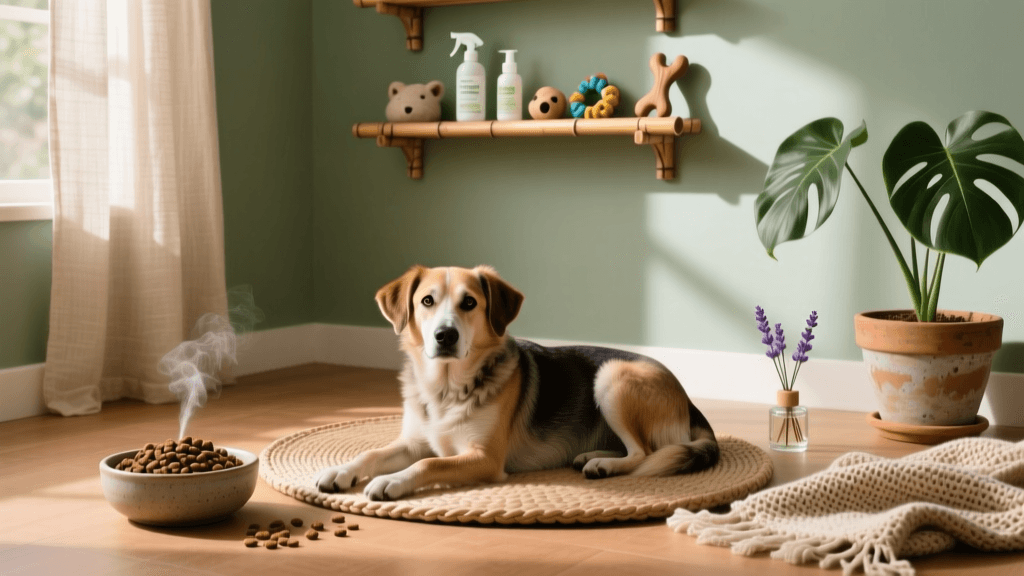
Every rescue dog needs a designated 'safe zone'—a quiet, low-traffic area where they can retreat when feeling overwhelmed. The physical materials you choose for this sanctuary matter immensely. Conventional pet beds often utilize synthetic memory foams that off-gas VOCs and are treated with chemical flame retardants. Furthermore, synthetic polyester covers can trap heat and harbor odor-causing bacteria.
For a truly holistic setup in 2026, invest in bedding made from natural, breathable materials. Look for dog mattresses constructed from 100% natural latex, which provides orthopedic support without toxic off-gassing. Covers should be made from GOTS-certified organic cotton, organic hemp, or untreated wool. Hemp is particularly remarkable for canine bedding due to its natural antimicrobial properties, durability, and temperature-regulating capabilities. If your dog suffers from joint stiffness or anxiety, consider a bolster bed filled with organic buckwheat hulls. Buckwheat hulls conform to the dog's body shape, offering customized support while allowing for maximum airflow, keeping your dog cool and comfortable during their crucial decompression naps.
Botanical and Adaptogenic Calming Support
The transition from a shelter to a home can trigger elevated cortisol levels in rescue dogs. While conventional veterinary medicine often relies on pharmaceutical anti-anxiety medications for severe cases, holistic practitioners frequently turn to botanical adaptogens and amino acids to support the nervous system gently. Adaptogens are natural substances that help the body resist stressors and restore balance.
KSM-66 Ashwagandha root extract has gained significant traction in canine holistic care for its ability to modulate the stress response without causing sedation. Similarly, L-Theanine, an amino acid naturally found in green tea leaves, promotes alpha-brain wave activity, encouraging a state of relaxed alertness. Another powerful tool is high-quality, full-spectrum hemp extract (CBD). Thanks to stricter regulatory oversight by the National Animal Supplement Council (NASC) in 2026, sourcing third-party tested, THC-free CBD oil formulated specifically for canine endocannabinoid systems is safer and more reliable than ever.
It is vital to approach essential oils with extreme caution. While lavender and chamomile are often touted for relaxation, many essential oils are highly concentrated and can be hepatotoxic to dogs. Always consult with a holistic veterinarian before using aromatherapy, and never apply essential oils directly to your dog's skin or fur. For safe, natural pheromone support, look for plant-based terpene blends designed to mimic canine maternal appeasing pheromones, avoiding synthetic chemical counterparts.
Comparison: Holistic vs. Conventional Stress Support
| Feature | Holistic Botanicals (e.g., L-Theanine, CBD, Ashwagandha) | Conventional Pharmaceuticals (e.g., Trazodone, Fluoxetine) |
|---|---|---|
| Onset of Action | Gradual; builds systemic resilience over days or weeks | Rapid; often within 1 to 2 hours for situational anxiety |
| Side Effect Profile | Generally mild; rare gastrointestinal upset | Can include lethargy, sedation, or appetite changes |
| Long-Term Goal | Modulate the nervous system and support overall homeostasis | Block or alter specific neurotransmitter reuptake pathways |
| Best Used For | Mild to moderate decompression stress and environmental sensitivity | Severe anxiety, aggression, or deep-seated behavioral disorders |
For a deeper understanding of what substances are hazardous to your pet's nervous system and overall health, always reference the ASPCA Animal Poison Control database before introducing any new plant, oil, or supplement into your home.
Nurturing the Gut-Brain Axis Through Whole Foods
Modern canine microbiome research in 2026 heavily emphasizes the gut-brain axis—the bidirectional communication network between the central nervous system and the enteric nervous system. A rescue dog's gut flora is often compromised by shelter stress, dietary inconsistencies, and previous medical treatments like broad-spectrum antibiotics. Restoring this microbial balance is a cornerstone of holistic integration.
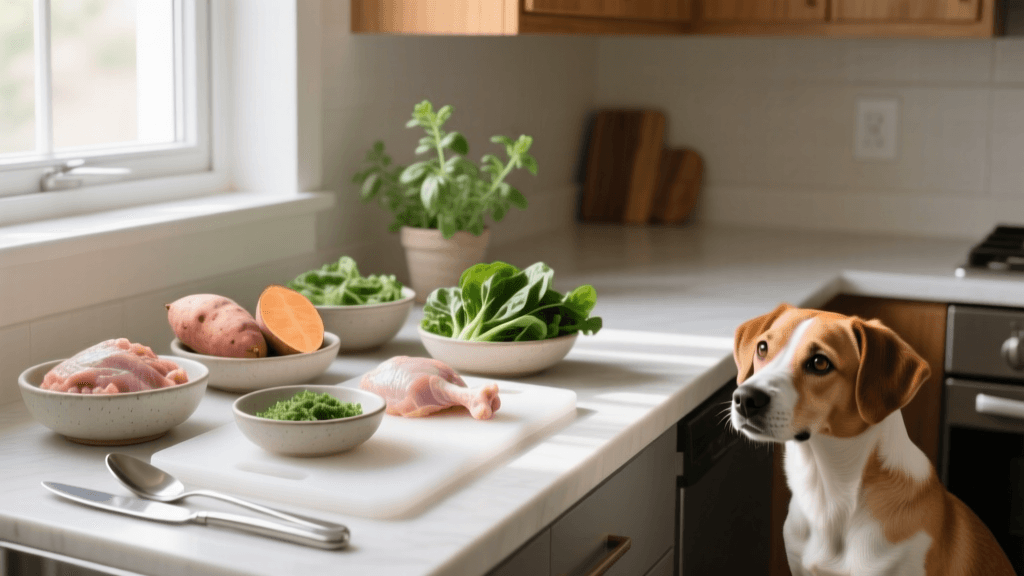
Begin by introducing natural, whole-food probiotics rather than relying solely on synthetic powders. Raw goat's milk kefir is a powerhouse for canine digestion, offering diverse strains of beneficial bacteria alongside easily digestible enzymes and vitamins. Start with a small amount, such as a teaspoon for medium-sized dogs, and gradually increase to avoid digestive upset. Additionally, incorporating a high-quality, wild-caught salmon oil provides essential Omega-3 fatty acids (EPA and DHA), which are clinically proven to reduce neuro-inflammation and support cognitive function during the learning and bonding process.
Bone broth is another exceptional holistic tool. Simmering grass-fed beef or pasture-raised poultry bones yields a nutrient-dense liquid rich in collagen, glycine, and proline. Glycine, in particular, acts as an inhibitory neurotransmitter in the brain, promoting natural calmness and restful sleep. Serving warm bone broth over your dog's meals not only aids in hydration and gut lining repair but also creates a positive, comforting sensory experience associated with their new home.
Your 30-Day Holistic Decompression Timeline
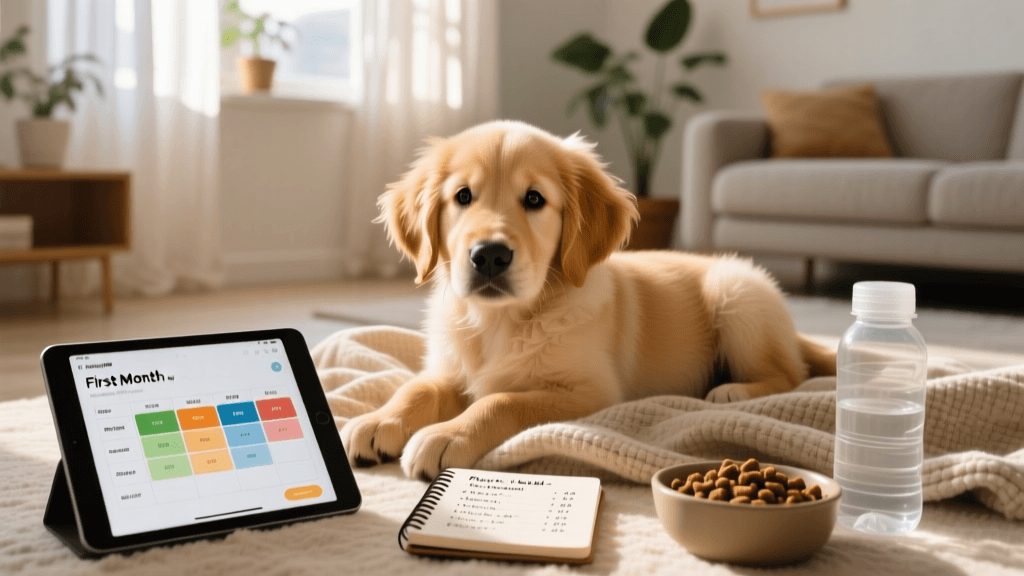
To effectively implement these natural strategies, follow this structured 30-day timeline designed to honor your rescue dog's need for a slow, mindful transition. This approach aligns with the low-stress handling principles championed by organizations like Fear Free Pets, ensuring your dog feels safe and empowered.
Week 1: The Sensory Detox and Safe Zone Establishment
- Environment: Limit the dog's access to the entire house. Keep them in your prepped, non-toxic sanctuary space with their organic hemp bed and a HEPA purifier running quietly.
- Routine: Keep noise levels low. Avoid inviting guests over. Use a long-line leash for backyard potty breaks to allow for decompression 'sniffaris' without the pressure of a formal walk.
- Supplements: Begin introducing L-Theanine and a low dose of full-spectrum CBD to take the edge off the initial environmental shock.
Week 2: Gut Restoration and Bonding
- Nutrition: Introduce goat's milk kefir and warm bone broth to their meals. Monitor their stool quality and energy levels closely.
- Interaction: Engage in low-demand bonding activities. Sit on the floor in their safe zone and read a book aloud softly, allowing them to approach you on their own terms.
- Environment: Begin introducing natural, plant-based enzymatic toys (like natural rubber stuffed with frozen bone broth) to encourage independent, stress-relieving chewing.
Week 3: Expanding the Territory
- Environment: Slowly open up access to one or two additional rooms in the house. Ensure all cleaning products in these areas have been swapped for HOCl or vinegar solutions.
- Routine: Introduce short, structured walks in quiet, natural settings during off-peak hours. Avoid busy dog parks or high-traffic urban streets.
- Supplements: If the dog is showing signs of settling, you may begin tapering the CBD slightly while maintaining the Omega-3 fish oil for ongoing neuro-support.
Week 4: Establishing the New Normal
- Routine: Begin establishing a predictable daily rhythm for feeding, walking, and mental enrichment. Predictability is the ultimate holistic anxiety reducer.
- Enrichment: Introduce natural foraging games, such as scattering their kibble or freeze-dried raw treats in the grass to engage their primal hunting instincts.
- Assessment: Evaluate their overall coat quality, digestion, and sleep patterns. Adjust adaptogenic herbs in consultation with a holistic veterinarian if minor anxieties persist.
Conclusion
Preparing your home for a rescue dog through a natural, holistic lens is an investment in their lifelong health and happiness. By eliminating toxic household chemicals, providing organic and supportive bedding, utilizing botanical adaptogens, and nourishing the gut-brain axis, you are doing far more than simply adopting a pet. In 2026, we have the knowledge and the resources to offer these vulnerable animals a true sanctuary—a place where their bodies and minds can heal, thrive, and finally feel at home.
beth-carrasco
All our authors care for dogs every day — read more of their work on the authors page.