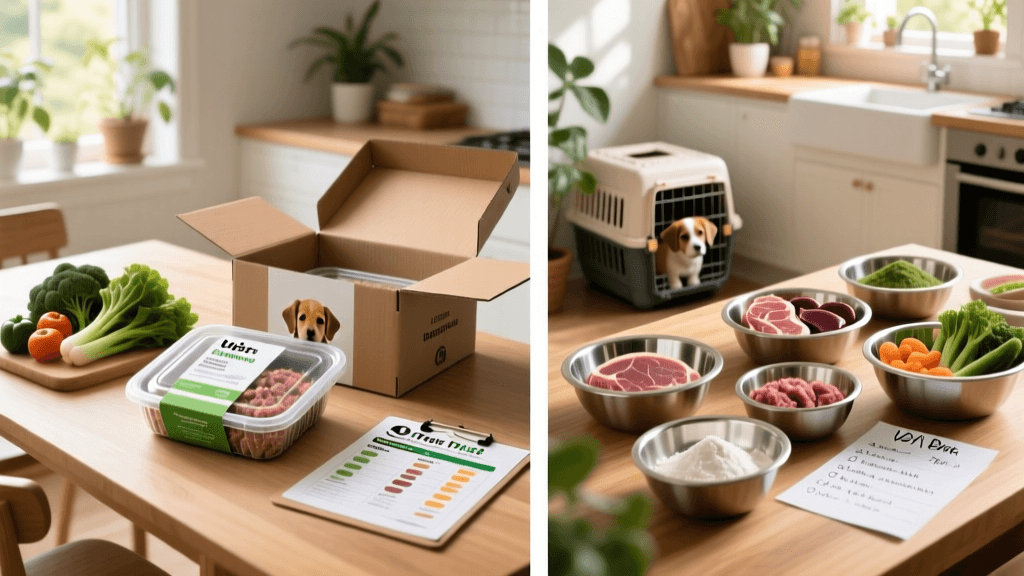
2026 Puppy Diet Guide: Fresh Delivery vs DIY Raw Food
Compare commercial fresh delivery and DIY raw diets for new puppies in 2026. Explore costs, safety protocols, and expert tips for a smooth transition.
Welcoming Your New Puppy: The Great Diet Debate of 2026
Bringing a new puppy home is one of the most exciting milestones for any dog owner. However, as you prepare your home and buy your first-day essentials, you will inevitably face a critical decision: what to feed your growing companion. In 2026, the pet nutrition landscape has evolved dramatically, moving far beyond traditional kibble. Today, new owners are heavily drawn to raw, fresh, and alternative diets, driven by a desire to provide human-grade, minimally processed nutrition. But when it comes to a developing puppy with a fragile immune system and precise growth requirements, not all alternative diets are created equal.
The two dominant forces in the alternative diet space are commercial fresh food delivery services and Do-It-Yourself (DIY) raw feeding. While both aim to provide whole-food nutrition, they differ vastly in safety, convenience, cost, and nutritional completeness. According to the World Small Animal Veterinary Association (WSAVA), ensuring a puppy's diet meets strict global nutrition guidelines is non-negotiable for proper skeletal and cognitive development. In this comprehensive guide, we will break down the realities of fresh delivery versus DIY raw diets in 2026, helping you make an informed, science-backed choice for your new dog.
Understanding Commercial Fresh Food Delivery Services
Commercial fresh food delivery has matured significantly by 2026. Brands like Nom Nom, The Farmer's Dog, and JustFoodForDogs now utilize advanced AI-driven caloric calculators to portion meals specifically for your puppy's current weight, expected adult size, and breed-specific growth curves. These diets are typically gently cooked at low temperatures to preserve nutrient integrity while eliminating harmful pathogens like Salmonella and Listeria.
The 2026 Fresh Food Advantage
- Pathogen Elimination: Because puppies have developing immune systems, the gentle cooking process or High-Pressure Processing (HPP) used by top-tier fresh brands ensures the food is safe from zoonotic bacteria.
- WSAVA Compliance: Leading fresh food companies employ full-time veterinary nutritionists. Their recipes are formulated to meet or exceed the latest 2026 AAFCO (Association of American Feed Control Officials) nutrient profiles for growth and reproduction.
- Convenience: Meals arrive pre-portioned in eco-friendly, insulated packaging. You simply thaw and serve, eliminating the guesswork of meal prep.
Potential Drawbacks
The primary drawback of fresh delivery is the cost. Feeding a rapidly growing puppy requires a high caloric intake, and fresh food is priced at a premium. Additionally, the environmental footprint of frequent shipping and cold-chain logistics is a consideration for eco-conscious owners, though many 2026 services have shifted to biodegradable or fully recyclable insulation.
The DIY Raw Food Route for Puppies
DIY raw feeding—often categorized into Prey Model Raw (PMR) or Biologically Appropriate Raw Food (BARF)—involves sourcing raw muscle meat, organs, and bones (or calcium substitutes) directly from butchers or specialized pet food suppliers. Proponents argue that raw diets mimic a dog's ancestral diet, promoting better dental health, smaller stools, and shinier coats.
Navigating the Risks of Raw Feeding
While adult dogs may thrive on a carefully balanced raw diet, puppies present a unique set of challenges. The U.S. Food and Drug Administration (FDA) consistently warns about the risks of handling raw pet food, noting that the shedding of pathogenic bacteria in a puppy's stool can pose severe health risks to human family members, especially children or immunocompromised individuals. Furthermore, formulating a DIY raw diet that meets the exact calcium-to-phosphorus ratio required for a growing puppy's bones is incredibly difficult without the guidance of a board-certified veterinary nutritionist.
The Rise of Raw Pre-Mixes
To bridge the gap between DIY and commercial diets, many owners in 2026 are turning to raw pre-mixes. These are dehydrated blends of fruits, vegetables, vitamins, and minerals (often including calcium and essential DHA) to which the owner simply adds water and their own sourced raw or lightly cooked meat. This drastically reduces the risk of nutritional deficiencies while maintaining the 'fresh' ethos.
2026 Cost & Convenience Comparison Table
To help you budget for your new puppy's first year, we have compiled a comparison of the three main alternative feeding strategies based on a 30-pound growing puppy. Note that prices reflect the average 2026 market rates for premium ingredients and delivery services.
| Feature | Fresh Delivery (Cooked) | DIY Raw (Pre-Mix + Meat) | DIY Raw (Sourced from Butcher) |
|---|---|---|---|
| Monthly Cost | $110 - $160 | $80 - $120 | $65 - $100 |
| Daily Prep Time | 1 minute (Thaw & Serve) | 10 minutes (Mix, Hydrate, Portion) | 30+ minutes (Weigh, Grind, Portion) |
| Bacterial Risk | Very Low (Gently Cooked) | Moderate (Depends on meat source) | High (Requires strict kitchen hygiene) |
| WSAVA Compliance | High (Formulated by PhDs) | Moderate (If pre-mix is vet-approved) | Low (High risk of imbalance) |
| Storage Space | High (Freezer space needed) | Moderate (Pantry for mix, freezer for meat) | High (Bulk freezer required) |
Critical Puppy Nutritional Requirements
Whether you choose fresh delivery or a DIY route, you must ensure the diet supports rapid growth. Puppies are not just small dogs; they have distinct metabolic and nutritional demands.
Calcium and Phosphorus Ratios
A puppy's skeletal system is highly vulnerable. The ideal calcium-to-phosphorus ratio must be strictly maintained between 1.1:1 and 1.4:1. Excess calcium, particularly in large and giant breed puppies, can lead to severe orthopedic diseases like hypertrophic osteodystrophy (HOD) or osteochondritis dissecans (OCD). DIY raw feeders often make the mistake of feeding too much bone, which spikes calcium levels dangerously high.
DHA for Cognitive Development
Docosahexaenoic acid (DHA), an omega-3 fatty acid, is crucial for a puppy's brain and retinal development. While adult dogs can synthesize some DHA from other fatty acids, puppies require direct dietary sources. Commercial fresh foods typically include fish oil or algae-based DHA in their 2026 formulations. If you are DIY raw feeding, you must supplement with high-quality, purified fish oil daily.
Safe Handling Protocols for Alternative Diets
If you decide to incorporate raw elements into your puppy's diet, strict kitchen hygiene is mandatory. Treat raw pet meat with the same caution as raw human poultry. Always use dedicated cutting boards and stainless steel bowls that can be sanitized in a dishwasher at high heat. Wash your hands thoroughly with antibacterial soap immediately after portioning your puppy's meals. Never leave raw food out at room temperature for more than 20 minutes; if your puppy does not finish the meal, discard it to prevent bacterial proliferation.
Transitioning Your Puppy's Stomach Safely
Puppies are notorious for having sensitive gastrointestinal tracts. When bringing your puppy home, they will likely be eating whatever the breeder or rescue provided. Transitioning to a fresh or raw diet must be done gradually over 10 to 14 days to avoid diarrhea, which can quickly dehydrate a young dog.
- Days 1-3: 75% original food, 25% new fresh/raw food.
- Days 4-6: 50% original food, 50% new fresh/raw food.
- Days 7-9: 25% original food, 75% new fresh/raw food.
- Day 10+: 100% new fresh/raw food.
During this transition, consider adding a high-quality canine probiotic to support the gut microbiome as it adapts to the new moisture content and protein sources.
Expert Verdict: Which Should You Choose?
For the vast majority of new puppy owners in 2026, commercial fresh food delivery is the safest and most reliable entry point into alternative diets. It guarantees WSAVA-aligned nutritional completeness, eliminates the severe pathogen risks associated with raw meat, and saves you hours of weekly prep time. It allows you to focus on training, socialization, and bonding with your new puppy rather than acting as a canine nutritionist.
However, if you are deeply committed to the DIY raw route, you must do so under the direct supervision of a board-certified veterinary nutritionist. Utilize vetted raw pre-mixes to guarantee your puppy receives the exact micronutrients required for healthy growth, and adhere strictly to FDA hygiene guidelines to keep your household safe. By prioritizing science over trends, you will set your new puppy up for a lifetime of vibrant health.
robin-maitland
All our authors care for dogs every day — read more of their work on the authors page.