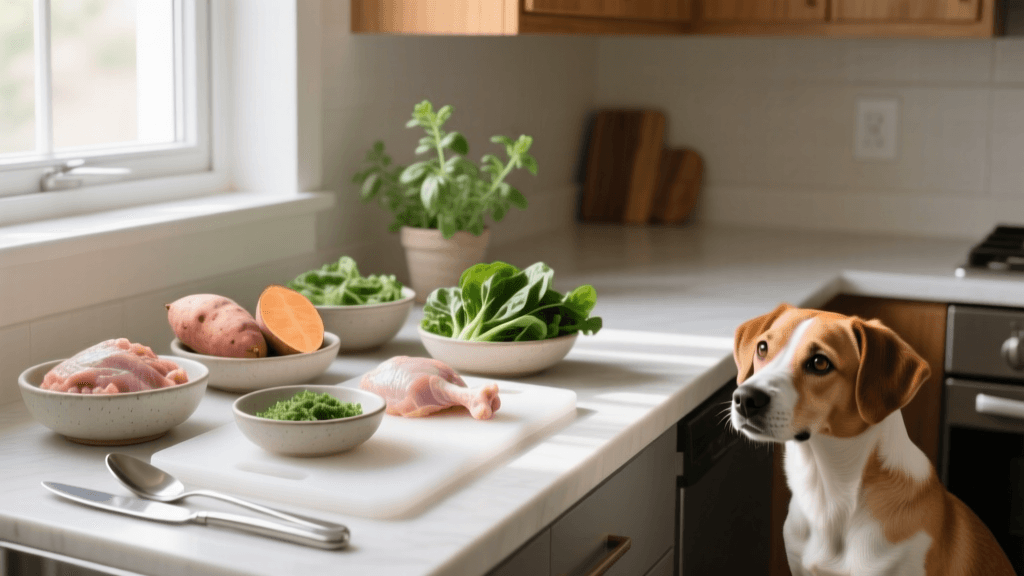
First-Week Fresh & Raw Diet Prep For Adopted Dogs 2026
Discover how to prep a raw or fresh food diet for your newly adopted dog. Get 2026 tips on meal transitions, safe handling, and top delivery services.
Welcoming Your New Dog: The 2026 Shift to Fresh and Raw Nutrition
Bringing a newly adopted dog or puppy into your home is one of the most rewarding experiences a pet parent can have. As you prepare your home with crates, toys, and cozy beds, one of the most critical decisions you will make in those first few days is what to put in their food bowl. In 2026, the pet nutrition landscape has evolved dramatically, with a massive shift toward raw, fresh, and gently cooked alternative diets. Moving away from highly processed kibble, modern dog owners are prioritizing bioavailability, whole-food ingredients, and species-appropriate nutrition to give their new rescue or puppy the best possible start in life.
However, transitioning a newly adopted dog—whose digestive system may already be stressed from the shelter environment or a sudden change in scenery—requires careful planning, precise measurements, and an understanding of modern food safety protocols. This comprehensive guide will walk you through setting up a raw and fresh feeding station, selecting the right 2026 delivery service, and executing a flawless 10-day transition protocol to ensure your new companion thrives from day one.
Why Choose a Fresh or Raw Diet for Your New Dog?
The benefits of feeding a raw or fresh diet are well-documented by veterinary nutritionists and holistic practitioners alike. Fresh diets typically contain higher moisture content, which supports kidney and urinary tract health, while raw diets provide natural enzymes that are often destroyed during the high-heat extrusion process used to make kibble. For a newly adopted dog, these diets can lead to smaller, firmer stools, reduced allergic reactions, and a noticeably shinier coat within just a few weeks.
According to the American Kennel Club's overview on raw diets, many owners report increased energy levels and improved dental health when feeding species-appropriate raw foods. However, the AKC and veterinary professionals also emphasize the importance of ensuring these diets are 'complete and balanced,' meaning they meet all the microscopic and macronutrient requirements for your dog's specific life stage. In 2026, advancements in High-Pressure Processing (HPP) and AI-driven nutritional profiling have made it easier than ever to provide safe, pathogen-free raw and fresh meals without the guesswork of DIY meal prep.
2026 Top Fresh and Raw Delivery Services Comparison
If you are bringing a new dog home and do not have the time to source, grind, and balance raw ingredients yourself, commercial fresh and raw delivery services are the gold standard. Below is a comparison of the top services available in 2026, tailored for new dog owners.
| Brand | Diet Type | 2026 Starting Price | Best For |
|---|---|---|---|
| The Farmer's Dog | Gently Cooked Fresh | $2.00 / day | Picky eaters and senior rescues |
| Nom Nom | Fresh / Puréed | $2.50 / day | Dogs with sensitive stomachs |
| WeFeedRaw | Raw (HPP Treated) | $3.00 / day | Raw purists and active breeds |
| Stella & Chewy's | Freeze-Dried Raw | $1.50 / day | Budget-conscious raw feeders |
Breaking Down the Options
The Farmer's Dog remains a favorite for newly adopted dogs with unknown dietary histories. Their gently cooked meals are highly digestible, making them an excellent bridge for dogs transitioning from low-quality shelter kibble. Nom Nom offers a slightly finer texture and includes a proprietary probiotic blend in 2026, which is invaluable for rescues suffering from shelter-induced gut dysbiosis. WeFeedRaw is ideal if you are committed to a biologically appropriate raw diet (BARF model); their use of HPP technology ensures that dangerous pathogens like Salmonella and Listeria are neutralized without cooking the meat, preserving vital nutrients. Finally, Stella & Chewy's freeze-dried raw patties offer a shelf-stable, budget-friendly entry point into raw feeding that is easy to portion for growing puppies.
Setting Up Your Safe Raw Feeding Station at Home
Handling raw and fresh food requires a higher standard of kitchen hygiene than pouring dry kibble into a bowl. The FDA guidelines on raw pet food safety strongly advise treating raw pet food with the same caution as raw human meat to prevent cross-contamination. Setting up a dedicated feeding station in your home before your dog arrives will make your daily routine seamless and safe.
Essential Feeding Station Equipment
- Stainless Steel or Ceramic Bowls: Avoid plastic bowls, which can harbor microscopic scratches where bacteria like E. coli can thrive. In 2026, weighted, non-slip stainless steel bowls with silicone bases are the standard for messy raw eaters.
- Dedicated Cutting Boards: Keep a separate, color-coded cutting board exclusively for chopping raw meats, vegetables, and supplements for your dog's meals.
- Food Grade Silicone Mats: Place a raised-lip silicone mat under the feeding bowl to catch raw juices and splatters, protecting your floors from bacterial contamination.
- Enzymatic Surface Cleaner: Standard kitchen sprays may not effectively break down animal proteins. Invest in a pet-safe, enzymatic cleaner designed specifically for raw food prep areas.
For storage, designate a specific drawer in your freezer for raw patties and a dedicated shelf in your refrigerator for thawing fresh meals. Never thaw raw dog food on the counter at room temperature; always thaw it in the fridge over 24 hours to inhibit bacterial growth.
The 10-Day Transition Protocol for Rescues and Puppies
The most common mistake new owners make is switching their newly adopted dog to a rich, fresh, or raw diet overnight. Shelter dogs often have compromised gut microbiomes, and a sudden influx of fresh proteins and fats can lead to severe gastrointestinal upset, diarrhea, and dehydration. To avoid this, follow this structured 10-day transition protocol.
Days 1 to 3: The Stabilization Phase
For the first three days, feed the exact same food the shelter or breeder was using. Your dog is dealing with immense environmental stress; keeping their diet consistent allows their nervous system and digestion to settle. If the shelter food is of poor quality, mix in a high-quality canine probiotic and a spoonful of plain, pureed pumpkin to support gut health.
Days 4 to 6: The 25% Introduction
Begin introducing the fresh or raw diet at a ratio of 25% new food to 75% old food. If you are using a raw delivery service, ensure the meat is fully thawed and slightly warmed to room temperature (never microwaved, as this cooks the bone and destroys enzymes) to make it more aromatic and appealing. Monitor your dog's stool quality closely. If stools become soft, pause the transition and hold at this ratio for an extra two days.
Days 7 to 8: The 50/50 Split
Move to a 50% new food and 50% old food ratio. At this stage, you may notice your dog's energy levels increasing and their water intake changing. Fresh food contains up to 70% moisture, so it is entirely normal for your dog to drink less water from their bowl during this phase.
Days 9 to 10: The 75% to 100% Final Shift
Increase the new food to 75% on day nine, and fully transition to 100% fresh or raw on day ten. By the end of this protocol, your dog's digestive enzymes will have adapted to the higher protein and fat content of the new diet, resulting in optimal nutrient absorption.
Essential 2026 Supplements for Fresh Diets
While premium commercial fresh and raw diets are formulated to meet AAFCO standards, the WSAVA Global Nutrition Guidelines remind us that individual dogs have unique metabolic needs. Depending on your dog's breed, age, and the specific brand you choose, you may need to supplement their diet to ensure peak health.
- Omega-3 Fatty Acids (EPA/DHA): Crucial for reducing joint inflammation and supporting cognitive development in puppies. Look for wild-caught Alaskan salmon oil or sustainably sourced krill oil stored in dark, UV-protected glass bottles to prevent oxidation.
- Phytonutrients and Greens: If your raw diet lacks sufficient plant matter, adding a canine-specific green blend (containing spirulina, kelp, and wheatgrass) provides vital trace minerals and antioxidants.
- Digestive Enzymes: Particularly helpful for senior rescue dogs or breeds prone to Exocrine Pancreatic Insufficiency (EPI), helping them break down the dense proteins found in raw meats.
First-Week Shopping Checklist for the Raw-Feeding Home
To ensure you are fully prepared before your new dog walks through the door, use this quick checklist to stock your home:
- Pre-ordered subscription from your chosen fresh/raw delivery service (scheduled to arrive 2 days before adoption day).
- Two sets of stainless steel bowls (one for eating, one in the dishwasher).
- Pet-safe enzymatic surface cleaner and dedicated sponges.
- Digital kitchen scale for precise portioning (essential for puppies and small breeds to prevent overfeeding).
- High-value freeze-dried raw treats for training and positive reinforcement during the first week.
- Plain canned pumpkin puree (100% pumpkin, no spices or xylitol) for emergency digestive support.
Conclusion: Setting the Foundation for a Lifetime of Health
Choosing a raw or fresh diet for your newly adopted dog is a profound commitment to their long-term vitality. By taking the time to properly set up your feeding station, selecting a high-quality, pathogen-tested delivery service, and respecting the delicate biology of your dog's gut through a slow, 10-day transition, you are setting the foundation for a vibrant, healthy life. The first week with a new dog can be chaotic, but with a structured nutrition plan in place, you can rest easy knowing you are fueling your new best friend with the absolute best that 2026 canine nutrition has to offer.
jonas-cole
All our authors care for dogs every day — read more of their work on the authors page.