Advanced Dog Puzzles 2026: Mental Enrichment For Smart Breeds
Discover the psychology behind canine foraging and learn how to use advanced puzzle toys like the Nina Ottosson Tornado to enrich smart breeds in 2026.
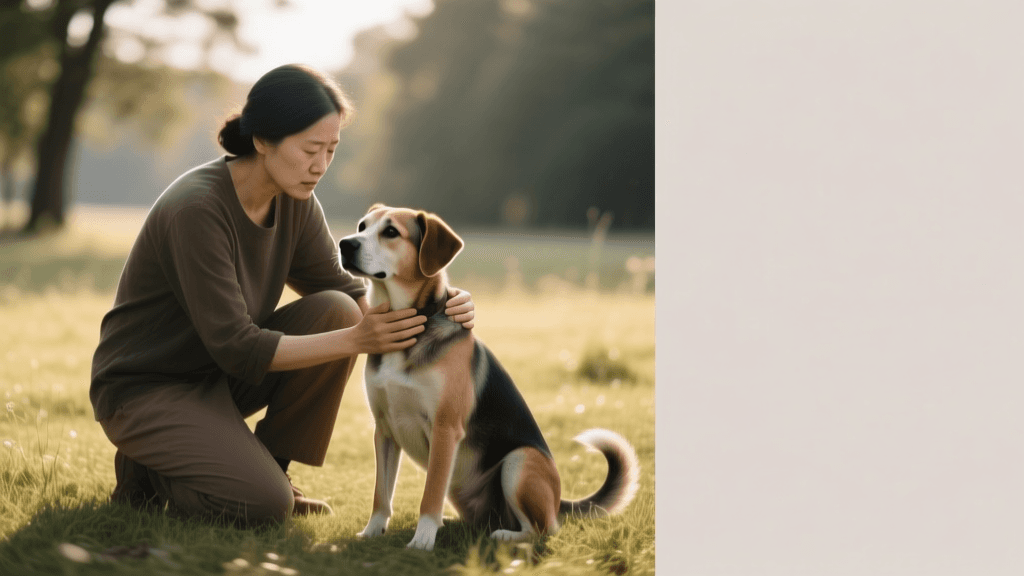
The Psychology of the Canine 'Seeking' Circuit
To truly understand why your dog tears apart the couch cushions when left alone, we must look past simple disobedience and examine the neurological architecture of the canine brain. In the field of affective neuroscience, the late Dr. Jaak Panksepp identified seven primary emotional systems in mammalian brains. For dogs, perhaps the most critical for behavioral health is the 'SEEKING' system. This neural network is driven by dopamine, but contrary to popular belief, dopamine is not merely the 'reward' chemical. It is the chemical of anticipation, curiosity, and the hunt.
When a dog sniffs the ground, tracks a scent, or manipulates a puzzle toy, their SEEKING circuit is highly active. The psychological satisfaction comes from the process of foraging, not just the consumption of the treat. According to the RSPCA's guidelines on canine environmental enrichment, allowing dogs to express natural foraging behaviors is essential for preventing chronic stress and stereotypic behaviors. In 2026, veterinary behaviorists increasingly view mental enrichment not as a luxury, but as a fundamental biological requirement akin to clean water and shelter.
Why Physical Exercise Fails High-Drive Breeds
Owners of Border Collies, Belgian Malinois, German Shepherds, and Standard Poodles often fall into the trap of trying to physically exhaust their dogs. They embark on five-mile runs, play endless games of fetch, and visit the dog park daily. Yet, the dog remains hyperactive, anxious, or destructive at home. Why? Because physical fatigue does not equal cognitive fatigue.
High-drive working breeds were selectively bred for complex problem-solving, endurance, and environmental scanning. A repetitive game of fetch requires very little cognitive processing. To truly tire a smart breed, you must engage their prefrontal cortex and olfactory bulb. Advanced puzzle games force the dog to experiment, fail, adjust their strategy, and succeed. Ten minutes of intense cognitive puzzle work can be as exhausting to a working breed as an hour of vigorous running.
Top Advanced Puzzle Toys for 2026: A Comparative Analysis
As the pet care industry has evolved, so has the engineering behind canine enrichment tools. The market is flooded with toys, but many are too simple for intelligent breeds, leading to rapid boredom. Below is a comparison of three top-tier advanced puzzles dominating the enrichment space in 2026, specifically evaluated for high-drive, intelligent dogs.
| Puzzle Toy Model | Difficulty Level | 2026 Retail Price | Primary Cognitive Skill | Best Breed Match |
|---|---|---|---|---|
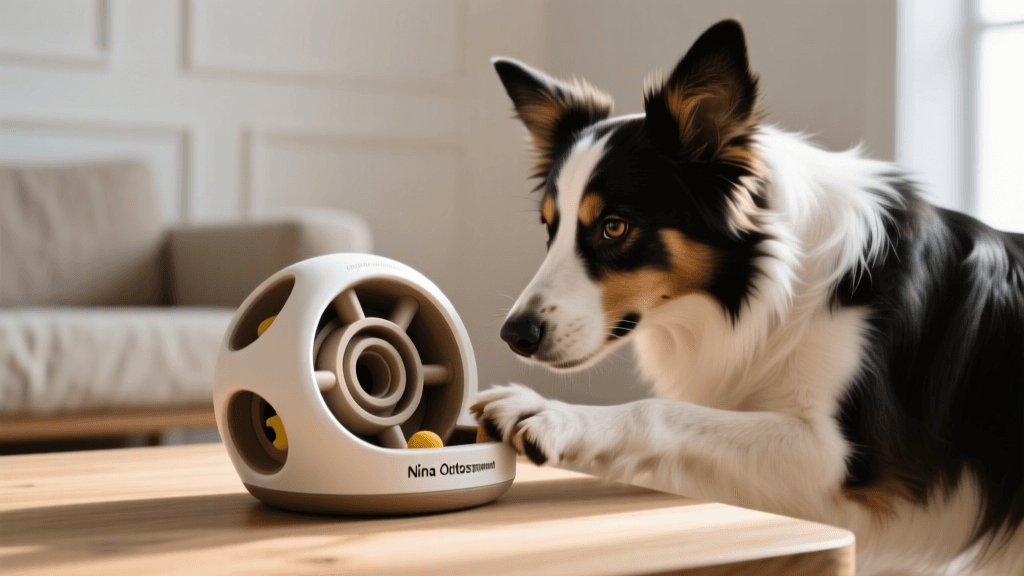
| Nina Ottosson Dog Tornado | Level 3 (Advanced) | $29.99 | Sequential problem solving & paw-nose coordination | Border Collies, Poodles, Malinois |
| Outward Hound Casino | Level 3 (Advanced) | $24.99 | Working memory & multi-step manipulation | German Shepherds, Retrievers |
| Trixie Poker Box Level 2 | Level 2 (Intermediate) | $34.99 | Spatial awareness & varied mechanical actions | Spaniels, Terriers, Herding Mixes |
Deep Dive: The Nina Ottosson Dog Tornado
The Dog Tornado remains a gold standard for advanced canine enrichment. It features four rotating discs with hollowed-out treat compartments. To access the food, the dog must learn to spin the discs using a combination of nose nudges and paw swipes. What makes the Tornado psychologically brilliant is the inclusion of removable white bone pegs. These pegs act as 'locks' that the dog must first remove before the discs can spin. This introduces a multi-step cognitive sequence: Identify lock -> Remove lock -> Spin disc -> Consume reward. This sequence perfectly mimics the multi-stage process of wild foraging.
The Progressive Enrichment Protocol: Preventing Frustration
A common mistake owners make is purchasing an advanced puzzle, filling it with kibble, and tossing it to their dog. When the dog cannot immediately access the food, they experience a spike in cortisol (the stress hormone). This leads to 'distress' rather than 'eustress' (positive stress). The dog may flip the toy, chew on the plastic, or walk away entirely, learning that the puzzle is an unsolvable source of frustration.
To build a dog's confidence and cognitive endurance, the American Kennel Club and certified behaviorists recommend a progressive training protocol.
- Phase 1: The Open Book (Days 1-3)
Remove all bone pegs from the Tornado. Leave the treat compartments partially exposed so the dog can see and smell the food. Allow them to easily spin the disc with their nose to win the reward. This builds an initial association: Manipulating this object yields food. - Phase 2: The Assisted Challenge (Days 4-7)
Close the compartments completely, but leave the pegs out. If the dog struggles, do not intervene immediately. Wait for 10 seconds to allow for independent problem-solving. If they begin to show signs of frustration, use a verbal cue like 'Try again' and point to the disc to guide their focus. - Phase 3: Introducing the Locks (Week 2)
Place a single white bone peg in one of the locking slots. The dog must now learn a new mechanical action (lifting the peg) before they can spin the disc. Use high-value treats (like freeze-dried liver or boiled chicken) under the peg to increase motivation. - Phase 4: Full Complexity (Week 3 and Beyond)
Utilize all compartments and multiple pegs. To prevent the dog from relying purely on visual memory, actively change the placement of the treats and the locks every single session.
Olfactory Enrichment: Pairing Puzzles with Scent Work
A dog's olfactory bulb is proportionally 40 times larger than a human's, and they possess up to 300 million olfactory receptors. While mechanical puzzles like the Tornado engage the dog's spatial reasoning and motor skills, they do not fully engage the olfactory system. For a complete psychological workout, you must combine mechanical puzzles with scent trails.
Before presenting the puzzle toy to your dog, drag a high-value treat across the floor, over a chair, and around a table leg, finally leading them to the puzzle. This 'scent dragging' technique forces the dog to engage their SEEKING circuit via their nose before they even reach the mechanical challenge. This dual-layered enrichment mimics the natural wild behavior of tracking a scent trail to a carcass, and then having to use physical manipulation (tearing, digging, pulling) to access the meal.
Reading Canine Body Language During Puzzle Play
Understanding your dog requires careful observation of their body language during cognitive tasks. As a senior behaviorist, I always advise owners to watch for the subtle line between productive frustration and overwhelming anxiety.
Signs of Eustress (Productive Engagement)
When a dog is appropriately challenged, you will observe 'eustress'. Signs include:
- Soft, relaxed facial muscles and slightly squinted eyes.
- A low, slow, sweeping wag of the tail (indicating thoughtful processing).
- Deliberate, measured pawing or nose-nudging.
- Occasional pauses where the dog steps back, looks at the toy, and formulates a new strategy.
Signs of Distress (Overwhelming Frustration)
If the puzzle is too difficult, or the dog is too hungry and lacks impulse control, distress signals will emerge. If you see these, immediately intervene and make the puzzle easier:
- Frantic, rapid pawing or biting at the plastic.
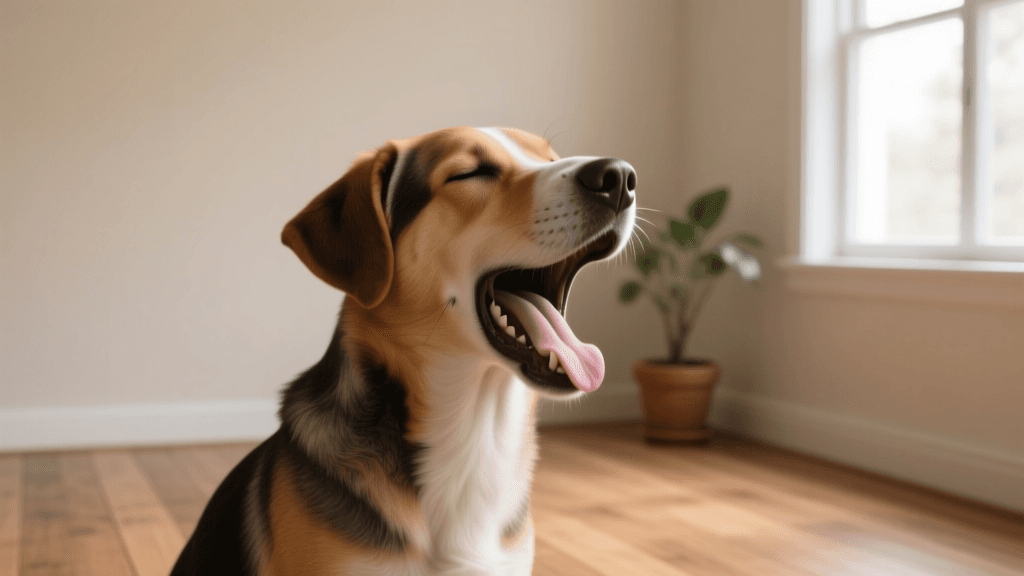
- Excessive lip licking, yawning, or sudden sneezing (canine calming signals indicating internal conflict).
- Whining, barking at the toy, or attempting to flip it over entirely.
- Abandoning the toy to chew on furniture or pace the room.
Conclusion: Enrichment as a Lifestyle
As we navigate dog ownership in 2026, the paradigm has shifted from simply 'walking the dog' to actively 'enriching the dog's mind.' By understanding the neurological drive to seek, forage, and solve, we can transform our dogs' daily routines. Investing in advanced tools like the Nina Ottosson Dog Tornado, and pairing them with structured scent work and progressive training protocols, does more than just keep your dog quiet while you work from home. It fulfills their deepest biological imperatives, resulting in a calmer, more confident, and profoundly understood canine companion.
tom-renshaw
All our authors care for dogs every day — read more of their work on the authors page.