Best Puppy Puzzle Toys for the First 48 Hours in 2026
Prepare your home for a new dog in 2026 with the best mental enrichment and puzzle toys. Discover a 48-hour decompression plan for puppies and rescues.
The Critical First 48 Hours: Why Mental Enrichment Matters
Bringing a new dog home in 2026 is an exciting milestone, but the transition from a shelter, breeder, or foster home to your living room is incredibly stressful for a canine. Whether you are adopting a nervous rescue or bringing home a high-energy puppy, the first 48 hours are crucial for establishing a foundation of trust and calm. In the modern dog care landscape, experts universally agree that physical exercise alone is not enough to tire out a stressed or excited dog. Mental enrichment and puzzle games are the secret weapons for a smooth transition.
According to the Humane Society, implementing a structured decompression plan helps mitigate the overwhelming sensory input a new dog experiences. When a dog engages in foraging, licking, or problem-solving, their brain releases dopamine, which naturally lowers cortisol (the stress hormone) and promotes a state of relaxation. By having the right puzzle toys prepped and ready before your dog even walks through the door, you can prevent destructive chewing, separation anxiety, and excessive barking from taking root on day one.
The 2026 Essential Puzzle Toy Lineup for New Arrivals
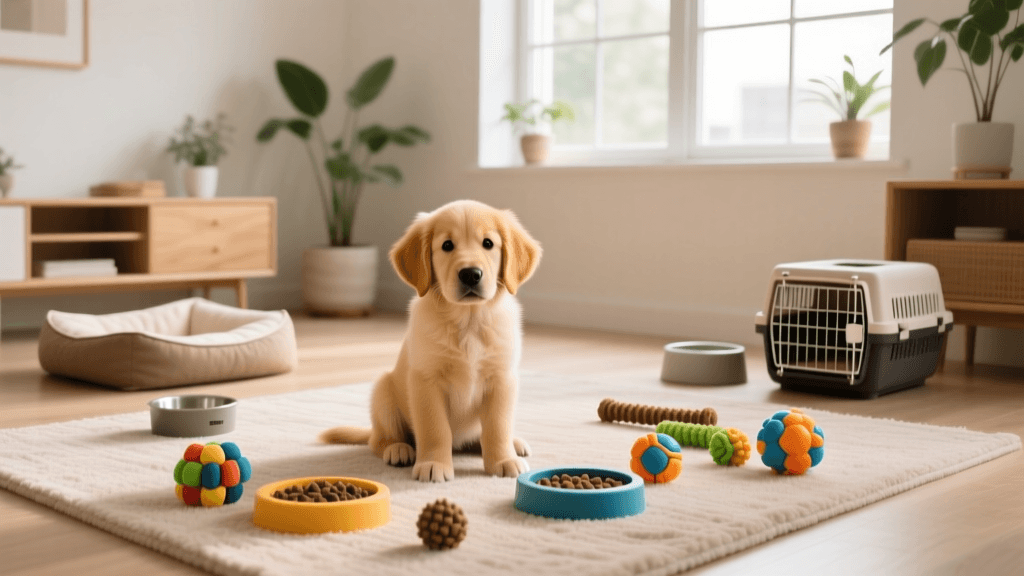
To set your new companion up for success, you need a variety of enrichment tools that cater to different natural instincts: foraging, chewing, licking, and problem-solving. Here are the top-rated, vet-recommended puzzle toys you should have waiting in your home in 2026.
1. Nina Ottosson Dog Brick (Level 2 Puzzle)
The Nina Ottosson Dog Brick remains a gold standard in canine cognitive toys. In 2026, the updated BPA-free, phthalate-free composite materials are more durable than ever against enthusiastic puppy teeth. This puzzle features three types of treat-hiding compartments: flip covers, slide blocks, and removable bone-shaped pegs. It is the perfect tool for teaching a new dog how to engage with their environment confidently. Priced around $16.99, it is an affordable investment that can occupy a dog for 15 to 30 minutes per session.
2. LickiMat Soother Pro
Licking is a self-soothing behavior for dogs. The LickiMat Soother Pro features raised nubs designed to hold soft foods like plain pumpkin puree, Greek yogurt, or soaked kibble. When frozen, it becomes a long-lasting enrichment tool that is exceptionally useful for crate training. If you need to step out of the room for ten minutes on your dog's first day, a frozen LickiMat keeps them happily anchored to their bed, preventing the onset of panic. Expect to pay about $12.50 for the premium TPR (thermoplastic rubber) version.
3. Outward Hound Hide-A-Squirrel Plush Puzzle
For dogs that are motivated by prey drive and plush textures, the Hide-A-Squirrel tree trunk puzzle is a fantastic interactive bonding game. It allows you to engage with your new dog, building trust through cooperative play. You hide the squeaky squirrels inside the trunk, and the dog must figure out how to extract them. It is highly recommended for evening wind-down sessions on the couch. The 2026 models feature reinforced stitching to withstand moderate chewing, retailing for approximately $15.00.
4. Premium Wool Snuffle Mat
A snuffle mat mimics the natural foraging behavior of searching for food in tall grass. By scattering your dog's daily kibble ration into the deep fleece strips, you turn a two-minute meal into a 20-minute mental workout. Sniffing lowers a dog's heart rate and is heavily recommended by behaviorists for shelter decompression. A high-quality, machine-washable wool snuffle mat will cost around $25.00 to $30.00.
2026 Puzzle Toy Comparison Chart
| Toy Name | Primary Instinct Targeted | Difficulty Level | Est. 2026 Price | Best Use Case |
|---|---|---|---|---|
| Nina Ottosson Dog Brick | Problem Solving | Intermediate (Level 2) | $16.99 | Breakfast/Meal replacement |
| LickiMat Soother Pro | Licking / Soothing | Beginner | $12.50 | Crate training & alone time |
| Hide-A-Squirrel | Prey Drive / Fetch | Beginner | $15.00 | Interactive bonding play |
| Wool Snuffle Mat | Foraging / Scentwork | Beginner to Intermediate | $28.00 | Decompression & slow feeding |
Your 48-Hour Mental Enrichment Itinerary
The American Kennel Club emphasizes that brain games are just as tiring as a long walk, making them indispensable for the first few days when outdoor walks might need to be limited to allow the dog to settle. Here is a step-by-step enrichment schedule for the first 48 hours.
Day 1: Arrival and Decompression
- Morning (Arrival): Skip the food bowl. Immediately introduce the Snuffle Mat in a quiet, low-traffic room. Scatter half of their morning kibble ration into the mat. This encourages deep sniffing, which instantly lowers their heart rate after the car ride.
- Afternoon (First Crate Session): Spread a layer of plain, dog-safe peanut butter or soaked kibble onto the LickiMat Soother and freeze it for an hour. When it is time for their first afternoon nap, place the frozen mat in the crate. This creates a positive association with the crate and keeps them quietly occupied as they drift off to sleep.
- Evening (Bonding): Bring out the Hide-A-Squirrel toy. Sit on the floor with your new dog and help them learn how to pull the squirrels out of the trunk. Toss them a short distance for a gentle game of fetch. This builds a bond without overwhelming them with physical affection.
Day 2: Routine Building and Confidence
- Morning (Breakfast Puzzle): Introduce the Nina Ottosson Dog Brick. Start with the easiest configuration: leave the slide blocks partially open and skip the bone pegs so the dog can easily see and smell the food. As they figure it out, gradually increase the difficulty over the next few days.
- Afternoon (Decompression Walk): Take a 15-minute 'sniffari' walk on a long line. Let the dog dictate the pace and sniff every blade of grass. Mental enrichment isn't just about toys; environmental processing is a massive cognitive workout.
- Evening (Wind Down): Offer a second LickiMat session while you watch TV. This reinforces calm behavior in the living room and teaches the dog that settling at your feet results in rewards.
Troubleshooting Frustration and Toy Rejection
It is common for a stressed dog to ignore a puzzle toy or become frustrated if they cannot immediately access the food. If your new dog walks away from the Nina Ottosson Dog Brick, do not force them. The puzzle is too difficult for their current stress level. Simplify the game by placing high-value treats (like boiled chicken or freeze-dried liver) directly on top of the puzzle pieces, or switch back to the Snuffle Mat, which is much more intuitive.
Conversely, if your dog attempts to flip the entire puzzle mat or chew through the plastic brick, they are exhibiting 'destructive foraging.' This means they are either under-supervised or the toy is too easy and they are seeking a physical outlet. Always supervise your dog during the first week of puzzle play to ensure they are interacting with the toy as intended.
Safety Rules and Hygiene
Mental enrichment must always be safe. In 2026, veterinary behaviorists strongly advise against leaving any dog alone with puzzle toys that feature small, detachable parts (like the bone pegs in the Dog Brick or the plush squirrels) until you are 100% certain they will not swallow them. To prevent the buildup of harmful bacteria like Salmonella or E. coli from raw foods and saliva, wash all plastic and rubber puzzles in the dishwasher (top rack only) or with hot, soapy water after every single use. Fabric snuffle mats should be laundered weekly.
Conclusion
Preparing your home with the right mental enrichment tools before your new dog arrives is one of the most proactive steps you can take as an owner. By utilizing a structured 48-hour puzzle itinerary, you bypass the stress of the transition and communicate to your new dog that their new home is a place of safety, fun, and reward. As the ASPCA notes, establishing positive, independent coping mechanisms early on is the best defense against future behavioral issues. Stock up on these essential puzzles, prep your freezer with LickiMat treats, and get ready to welcome your new best friend with confidence.
robin-maitland
All our authors care for dogs every day — read more of their work on the authors page.