Emergency Recall Training: How To Save Your Dog's Life
Learn how to teach your dog an emergency recall. This step-by-step safety guide covers high-value rewards, training timelines, and life-saving commands.
Why an Emergency Recall is a Life-Saving Necessity
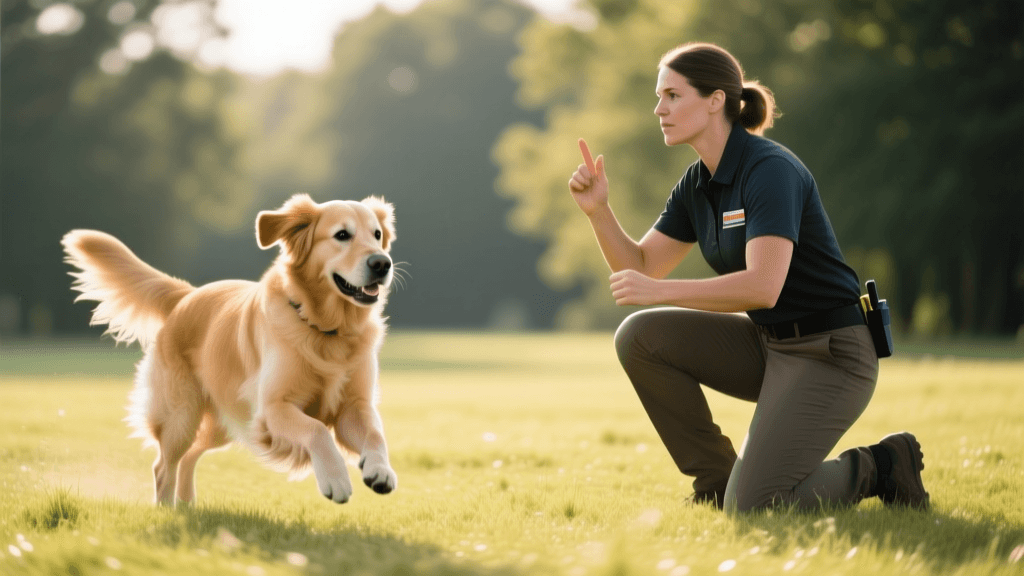
When your dog slips their collar and bolts toward a busy intersection, spots a venomous snake on a hiking trail, or charges toward an aggressive off-leash dog, a casual 'come here' will not suffice. In life-or-death situations, you need an emergency recall—a deeply conditioned, automatic response that overrides your dog's prey drive, fear, or environmental distractions.
According to the American Kennel Club (AKC), teaching a reliable recall is one of the most critical safety skills a dog can learn, yet it remains one of the most poorly executed commands among pet owners. A standard recall is for everyday convenience; an emergency recall is for absolute survival. This guide will walk you through the exact science, gear, and step-by-step protocol to build a bulletproof emergency recall.
Standard Recall vs. Emergency Recall
Many owners make the mistake of using their everyday recall word for emergencies. This is a critical safety flaw. Below is a comparison to help you understand the vital differences between the two.
| Feature | Standard Recall ('Come') | Emergency Recall ('Bingo' / 'Touch') |
|---|---|---|
| Primary Purpose | Everyday obedience, coming inside, leash attachment. | Immediate danger avoidance (traffic, wildlife, toxins). |
| Cue Word | 'Come', 'Here', or a whistle. | A unique, rarely used word (e.g., 'Bingo', 'Jalapeño'). |
| Reward Value | Standard kibble, praise, or petting. | Ultra-high-value 'jackpot' treats (real meat, cheese). |
| Success Rate Goal | 85% - 90% in low-to-medium distraction environments. | 99.9% in any environment, regardless of distraction. |
| Consequence of Failure | Severe injury or death. |
The Science of the 'Poisoned Cue'
Why do we need a separate word for emergencies? Because everyday words like 'come' often become 'poisoned.' If you call your dog to come inside, and then immediately give them a bath or clip their nails, they learn that 'come' means the end of fun or the start of something unpleasant. Over time, they will hesitate or ignore the command entirely.
An emergency recall word must never be poisoned. It should only be used a handful of times a month during training, and it must always result in a massive dopamine release via a 'jackpot' reward. The Humane Society of the United States emphasizes that positive reinforcement and high-value rewards are the most effective methods for building reliable, fear-free recall behaviors.
Essential Gear and High-Value Rewards
To train safely without risking your dog running into traffic, you need the right equipment and the right bait. Here is a breakdown of specific, actionable recommendations:
1. The Long Line (Safety Tether)
Do not use a standard nylon leash or a retractable leash (like a Flexi), which can snap under sudden tension and cause severe rope burns. Invest in a Biothane Long Line (15 to 30 feet). Biothane is waterproof, dirt-proof, and slides easily through your hands. Cost: $25 to $45 depending on length and hardware.
2. The Harness
Attach the long line to a sturdy, Y-front harness like the Ruffwear Front Range Harness (approx. $40). Never attach a long line to a flat collar or a prong collar, as a sudden stop at 30 feet can cause tracheal collapse or cervical spine injuries.
3. Ultra-High-Value Treats
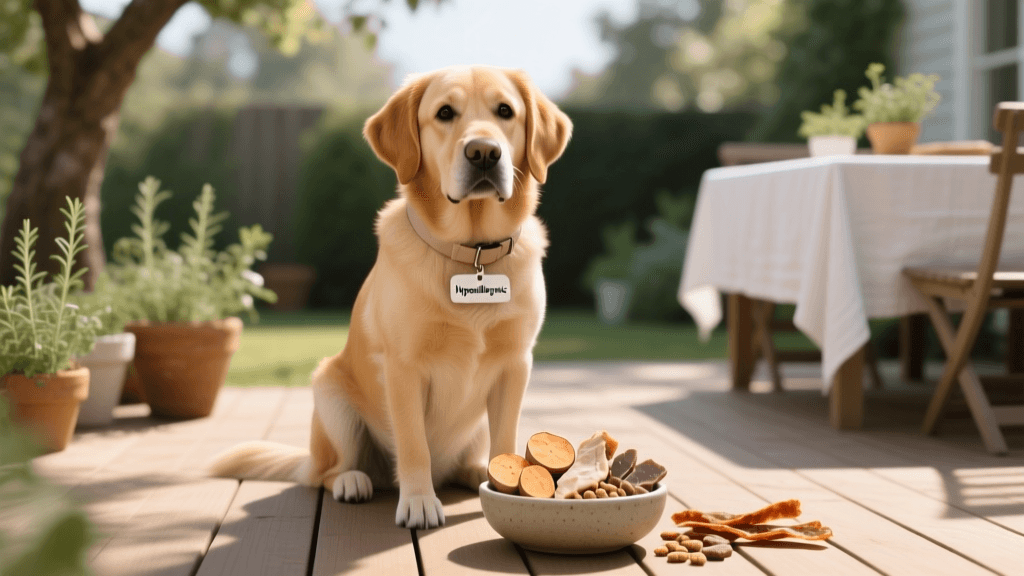
Standard kibble will not compete with a fleeing squirrel. You need treats with strong odors and high palatability. Cut them into pea-sized pieces so the dog can eat them quickly without getting full. Budget around $15 to $25 a month for training treats.
- Zuke's Mini Naturals (Peanut Butter or Chicken): Excellent for semi-high value. ($6 for 16oz)
- Happy Howie's Meat Rolls: Soft, highly aromatic, and easily broken apart. ($12 per roll)
- Real Food Jackpots: Boiled chicken breast, low-sodium hot dogs, or freeze-dried beef liver. Reserve these exclusively for the emergency recall cue.
Step-by-Step Emergency Recall Protocol
Expect this training process to take 6 to 8 weeks of consistent, daily practice. Keep sessions short—no more than 5 minutes, twice a day—to prevent mental fatigue.
Phase 1: Classical Conditioning (Days 1-7)
The goal here is to wire your dog's brain to associate the new cue word with an immediate, massive reward. Do not add distance or distractions yet.
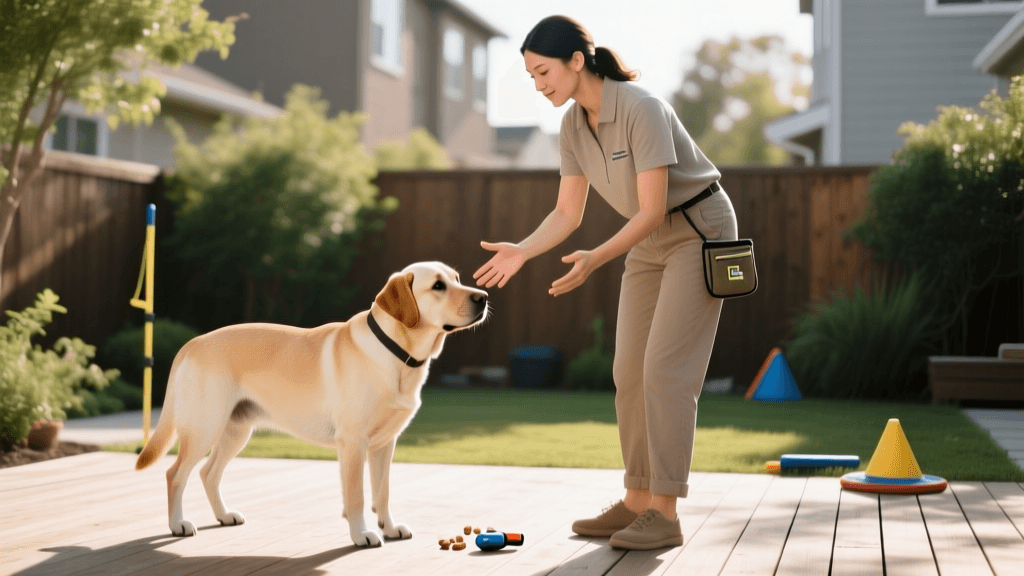
- Stand right in front of your dog in a quiet room.
- Say your chosen emergency word clearly and enthusiastically (e.g., 'Bingo!').
- Immediately (within 0.5 seconds) deliver a jackpot of real meat or cheese.
- Repeat 10 to 15 times per session. Your dog should start visibly perking up and drooling the moment they hear the word.
Phase 2: Adding Distance and the Long Line (Weeks 2-4)
Now we introduce movement and safety gear.
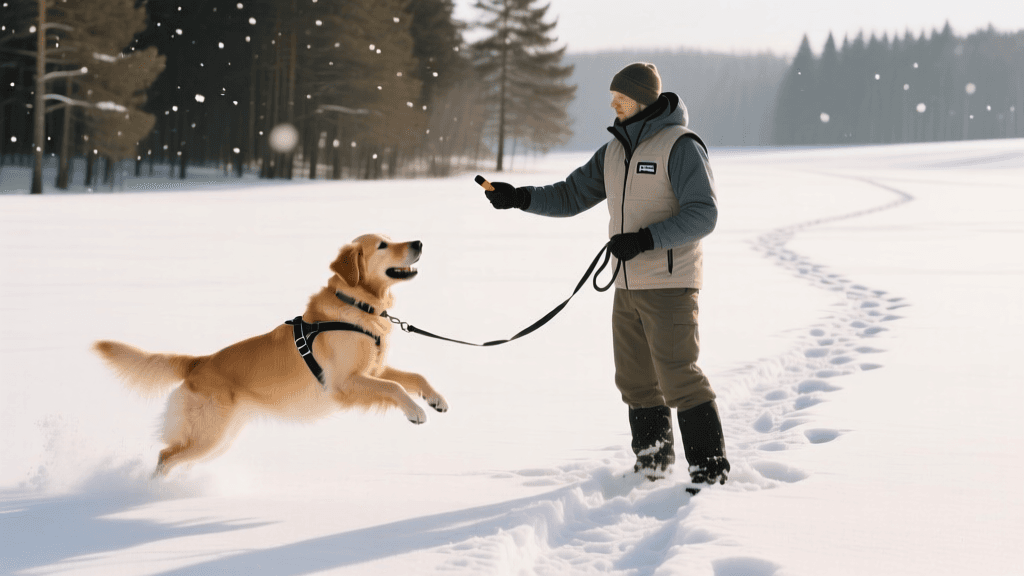
- Take your dog to a fenced, low-distraction area. Attach the 15-foot Biothane long line to their harness.
- Let your dog wander and sniff. Do not engage with them.
- When they are about 10 feet away and not actively chasing something, say 'Bingo!'
- The moment they turn toward you, start running backward while cheering them on. This triggers their natural chase instinct.
- When they reach you, grab their harness gently, feed the jackpot reward continuously for 5 to 10 seconds, and throw a mini 'party' with praise.
Phase 3: Proofing and Distraction (Weeks 5-8)
This is where the training becomes life-saving. You must simulate real-world distractions in a controlled manner.
- Controlled Distractions: Have a friend toss a toy 20 feet away. The moment your dog locks onto the toy but before they sprint, call 'Bingo!' Reward massively when they abandon the toy for you.
- Environmental Shifts: Practice in different locations: the front yard, a quiet park, and eventually outside a busy coffee shop. Always use the long line until the dog responds flawlessly 50 times in a row in that specific environment.
- The 'Grab and Release' Game: Dogs often anticipate that coming to you means the end of their freedom. Practice calling them, giving the jackpot, and then immediately saying 'Go play!' and releasing them back to the environment. This builds trust that the emergency recall does not always mean the fun is over.
Safety Rule: Never, under any circumstances, use the emergency recall word to call your dog for a punishment, a bath, or a nail trim. If you need your dog for an unpleasant task, go to them, put them on a leash, and guide them. Protect the emergency cue at all costs.
Maintenance: Keeping the Recall Sharp
Once your dog has mastered the emergency recall, you cannot simply put it on a shelf. Behaviors that are not maintained will suffer from 'extinction.' To keep the recall sharp, you must perform random maintenance drills.
Once or twice a month, completely out of the blue, call your dog using the emergency cue when they are just lounging in the yard or playing in the house. When they arrive, deliver a massive, unexpected jackpot (like a whole spoonful of peanut butter or a piece of steak). This intermittent reinforcement schedule creates a 'slot machine' effect in your dog's brain, ensuring they will always respond to the cue just in case this is the time they hit the jackpot.
Conclusion
An emergency recall is an insurance policy for your dog's life. While it requires an upfront investment of time, patience, and high-value treats, the peace of mind it provides is invaluable. By respecting the science of classical conditioning, utilizing safe gear like a Biothane long line, and fiercely protecting your unique cue word, you empower your dog to make life-saving choices when every second counts.
jonas-cole
All our authors care for dogs every day — read more of their work on the authors page.