Best Mental Enrichment Puzzles for Herding Dogs 2026
Discover the best mental enrichment puzzles and snuffle mat techniques for herding dogs in 2026 to prevent boredom and destructive apartment behavior.
The Herding Dog Dilemma: Brains Over Brawn in Urban Spaces
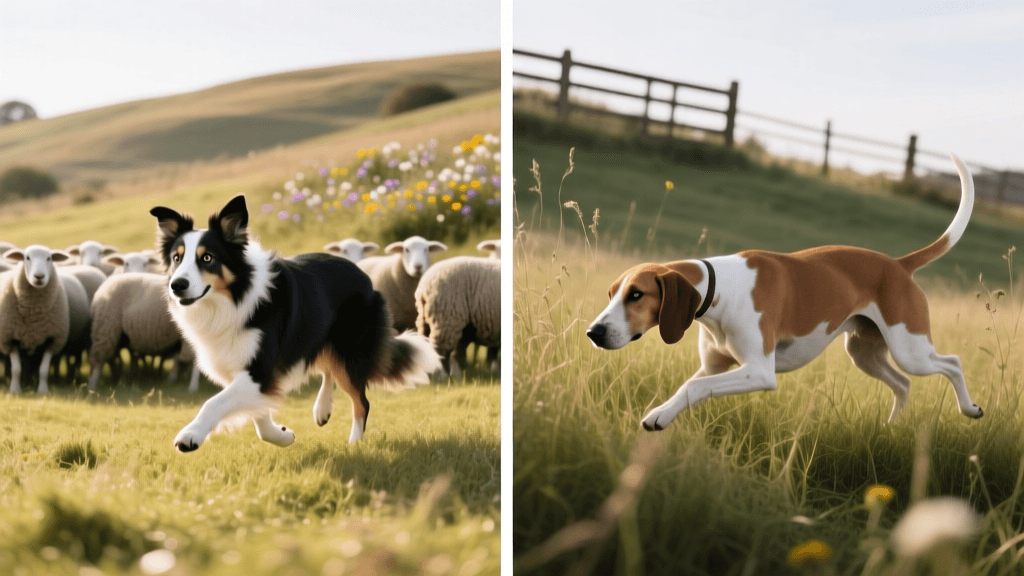
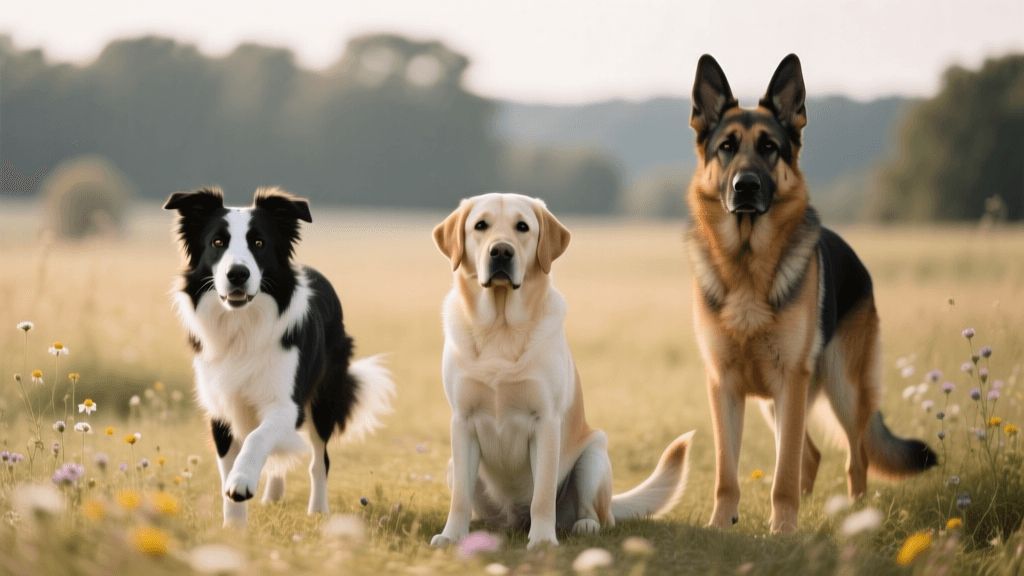
As we navigate the evolving landscape of urban pet ownership in 2026, the popularity of high-drive herding breeds like Border Collies, Australian Shepherds, and Belgian Malinois continues to surge. However, housing these brilliant, high-energy working dogs in apartments or homes without vast acreage presents a unique behavioral challenge. Physical exercise alone is no longer considered the gold standard for managing these breeds. Instead, veterinary behaviorists and certified professional dog trainers are heavily prioritizing mental enrichment and puzzle games to satisfy their innate working drives.
Herding dogs were selectively bred for complex problem-solving, spatial awareness, and relentless stamina. When deprived of a job, they will invent their own, often resulting in destructive chewing, excessive barking, or neurotic pacing. According to the American Kennel Club, mental stimulation can be just as exhausting for a dog as physical exercise, with some experts noting that fifteen minutes of intense scent work or puzzle-solving can equate to an hour of vigorous running.
The Science of Canine Cognition and Foraging
In 2026, the paradigm of dog feeding has shifted dramatically. Free-feeding or simply placing kibble in a bowl is now widely viewed as a missed opportunity for cognitive engagement. Dogs are natural foragers. In the wild, canines spend up to eighty percent of their waking hours searching for, capturing, and consuming food. By utilizing puzzle toys and snuffle mats, we tap into this primal foraging instinct, lowering cortisol levels and promoting a state of calm satisfaction. The Fear Free Pets initiative strongly advocates for environmental enrichment, noting that food-dispensing puzzles significantly reduce separation anxiety and boredom-related behaviors in high-drive breeds.
Top Puzzle Toys for Herding Breeds in 2026
Not all puzzle toys are created equal, especially when dealing with the formidable intellect of a herding dog. A toy that takes a Golden Retriever ten minutes to solve might be dismantled by a Border Collie in thirty seconds. Below is a curated comparison of the most effective, durable puzzle toys available on the market this year, specifically selected for their ability to challenge advanced canine cognition.
| Puzzle Toy Model | Difficulty Level | 2026 Average Price | Best Suited For |
|---|---|---|---|
| Nina Ottosson Dog Brick | Intermediate (Level 2) | $32.99 | Dogs learning to manipulate sliding blocks and lifting pegs. |
| Outward Hound Dog Casino | Advanced (Level 3) | $28.50 | Expert problem solvers who understand sequential unlocking mechanisms. |
| West Paw Toppl | Beginner to Intermediate | $25.00 | Power chewers who need a durable, freezable food-dispensing option. |
| Kong Wobbler | Beginner | $19.99 | Fast eaters who need to slow down their meal consumption. |
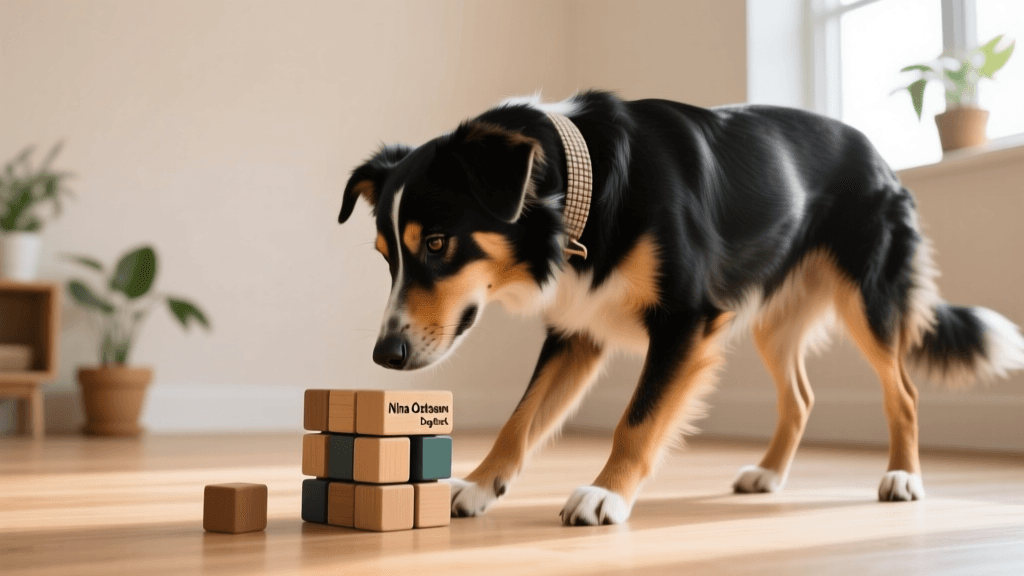
The Nina Ottosson Dog Brick remains a staple in the enrichment community. Its multi-tiered challenge requires the dog to flip open hatches, slide blocks, and remove bone-shaped pegs to access hidden treats. For a Malinois or Aussie, this multi-step process engages their working memory and paw-eye coordination.
Mastering the DIY Snuffle Mat: Beyond Basic Kibble
While commercial puzzles are excellent, the DIY snuffle mat offers unparalleled customization for your dog's specific scent-drive. A snuffle mat is essentially a rubber sink mat with hundreds of strips of fleece tied through the holes, creating a dense, grass-like surface where food can be hidden. In 2026, advanced trainers are moving beyond simply sprinkling dry kibble on top.
- The Layered Forage: Hide high-value treats (like freeze-dried beef liver) deep at the base of the fleece strips, and place standard kibble near the top. This forces the dog to dig deep and use intense sniffing before getting the jackpot reward.
- The Frozen Snuffle: During the hot summer months, soak the snuffle mat in low-sodium bone broth and place it in the freezer. This provides a cooling, long-lasting licking and foraging activity that can keep a herding dog occupied for over forty minutes.
- Scent Discrimination Training: Rub a specific essential oil (like safe, diluted sweet orange) on a cotton swab, hide it deep in the mat alongside the treats, and teach your dog to find the orange. This bridges the gap between basic foraging and competitive scent work.
Building a Weekly Enrichment Schedule
Consistency is key when managing a herding breed. You cannot provide three hours of intense mental stimulation on Sunday and expect your dog to relax on a couch for the rest of the workweek. A structured, daily rotation of enrichment activities prevents puzzle fatigue and keeps the dog's brain actively engaged.
- Monday and Wednesday: Ditch the food bowl entirely. Serve breakfast in a frozen West Paw Toppl and dinner scattered across a large snuffle mat in the living room.
- Tuesday and Thursday: Focus on mechanical puzzles. Use the Nina Ottosson Dog Brick for a 15-minute supervised training session, rewarding the dog for calm, methodical problem-solving rather than frantic pawing.
- Friday: Find It Scent Work. Hide treats inside cardboard boxes, under towels, and behind furniture. Encourage the dog to use their nose to hunt down their meal in a controlled indoor environment.
- Weekend: Combine physical and mental exercise. Take the dog on a sniffari walk in a new environment, allowing them to dictate the pace and spend as much time as they want investigating bushes, trees, and natural scents.
Troubleshooting Frustration in High-Drive Dogs
It is common for herding dogs to experience frustration when introduced to complex puzzles. If your Australian Shepherd begins barking at the Dog Brick or attempting to chew through the plastic, the difficulty level is too high, or the reward value is too low. Step back to an easier puzzle, or use higher-value rewards like real meat or cheese to rebuild their confidence. Remember, the goal of mental enrichment in 2026 is to build a confident, tired, and emotionally balanced dog, not to test their limits until they break. By integrating these advanced puzzle games and foraging techniques into your daily routine, you will transform your herding dog's destructive energy into focused, rewarding cognitive work.
Safety Considerations and Supervised Play
When introducing any new puzzle toy or DIY foraging game, direct supervision is non-negotiable, especially during the first few weeks. Herding dogs possess incredible jaw strength and a relentless determination to access trapped food. While brands like West Paw and Kong utilize ultra-durable, non-toxic rubber compounds designed to withstand aggressive chewing in 2026, no toy is entirely indestructible. Always inspect plastic puzzle boards like the Nina Ottosson line for micro-cracks or chewed edges that could pose a choking hazard.
Furthermore, be mindful of the caloric intake associated with extensive puzzle training. If you are using high-value treats like peanut butter, cheese, or freeze-dried meats inside your snuffle mats and Toppls, you must proportionally reduce your dog's standard meal portions to prevent obesity. Many modern veterinary nutritionists recommend reserving twenty percent of your dog's daily caloric allowance specifically for mental enrichment and training exercises. This ensures your dog remains physically healthy while reaping the immense cognitive benefits of daily foraging games.
beth-carrasco
All our authors care for dogs every day — read more of their work on the authors page.