Best Puzzle Toys For New Rescue Dog Enrichment 2026
Discover the best mental enrichment puzzle toys for new rescue dogs in 2026. Learn how to reduce stress and build confidence with expert setups.
The Science of Decompression: Why Rescues Need Puzzles
When you adopt a rescue dog in 2026, the excitement of bringing them home can often overshadow the immense psychological transition they are undergoing. Animal behaviorists widely advocate for the '3-3-3 Rule' of rescue dog decompression: three days to decompress, three weeks to learn your routine, and three months to feel truly at home. During those critical first 72 hours, physical exercise like long neighborhood walks can actually overstimulate a stressed canine nervous system. Instead, mental enrichment and puzzle games offer a safer, more effective way to burn energy and build confidence.
According to the Humane Society's guide on bringing your new dog home, providing a quiet, predictable environment with low-stress activities is paramount for a newly adopted dog. Puzzle toys engage a dog's natural foraging instincts, shifting their brain from a state of anxious hyper-vigilance to focused, rewarding problem-solving.
Physiological Benefits of Sniffing and Licking
Mental enrichment is not just a distraction; it is a physiological intervention. Sniffing and licking are self-soothing behaviors for dogs. When a dog engages with a snuffle mat or a textured lick mat, their heart rate actively decreases, and their brain releases dopamine and endorphins. In fact, fifteen minutes of intensive sniffing and foraging can tire a dog out as much as a one-mile walk, without the joint impact or leash reactivity triggers they might encounter outdoors.
The American Kennel Club notes that mental stimulation is vital for preventing destructive behaviors born from boredom and anxiety. For a rescue dog navigating a new environment, puzzles provide a 'job' that makes them feel secure and accomplished in their new territory.
Top Enrichment Categories for the First 30 Days
Not all puzzle toys are created equal, especially for a dog experiencing environmental stress. In 2026, the market is saturated with enrichment tools, but they generally fall into three primary categories suited for new rescues. Below is a comparison chart to help you select the right tool for your dog's current decompression stage.
| Enrichment Type | Primary Benefit | Difficulty Level | 2026 Avg. Cost | Top Product Pick |
|---|---|---|---|---|
| Textured Lick Mats | Self-soothing, anxiety reduction via repetitive licking | Beginner | $12 - $18 | LickiMat Soother Pro (Eco-Rubber) |
| Snuffle Mats & Foraging Boxes | Olfactory stimulation, lowers heart rate, burns energy | Beginner to Intermediate | $35 - $55 | Paw5 Wooly Snuffle Mat |
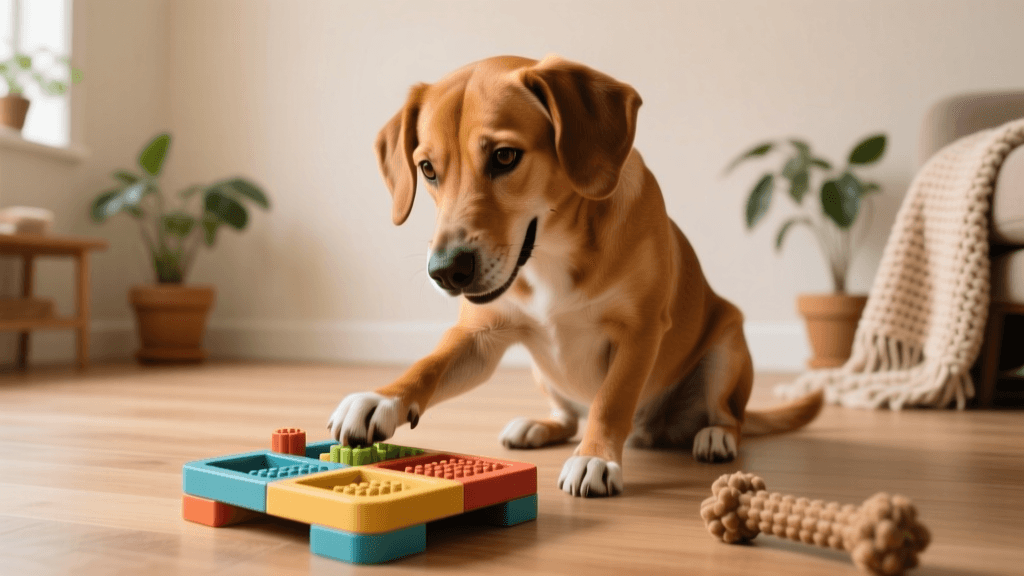
| Interactive Puzzle Boards | Cognitive challenge, builds confidence and focus | Intermediate | $28 - $40 | Outward Hound Nina Ottosson Dog Brick |
2026 Product Spotlight: Essential Puzzle Setups
1. The LickiMat Soother Pro (Week 1 Focus)
During the first week, your goal is purely stress reduction. The LickiMat Soother Pro, made from sustainable, non-toxic natural rubber, features raised nodules that slow down consumption and encourage prolonged licking. Setup Tip: Smear the mat with a thin layer of plain, unsweetened pumpkin puree or plain Greek yogurt. Freeze it for two hours before offering it to your dog in their crate or designated safe zone. The cold temperature adds a soothing element for teething puppies or inflamed gums, and the frozen state extends the activity from 5 minutes to over 20 minutes.
2. Paw5 Wooly Snuffle Mat (Week 2 Focus)
As your dog begins to settle, you can introduce scent-work. The Paw5 Wooly Snuffle Mat mimics the experience of foraging in tall grass. It is crafted from recycled, eco-friendly fabrics and is entirely machine washable—a crucial feature for maintaining hygiene in 2026. Setup Tip: Start by scattering your dog's daily kibble ration openly on top of the mat. As they gain confidence, push the kibble deeper into the fabric strips. This builds their problem-solving confidence without causing frustration.
3. Nina Ottosson Dog Brick (Week 3 and Beyond)
Once your dog is comfortable in their environment and has bonded with you, introduce the Dog Brick. This Level 2 interactive puzzle requires the dog to flip lids, slide blocks, and remove bone-shaped pegs to access treats. It is an excellent tool for building cognitive resilience. Setup Tip: Always demonstrate how the puzzle works by leaving a few compartments partially open. Never leave a rescue dog alone with hard plastic puzzles until you are absolutely certain they will not chew and ingest the pieces.
Troubleshooting Puzzle Frustration
It is common for newly adopted dogs to experience frustration when first introduced to cognitive puzzles. If your rescue dog paws aggressively at the toy, barks at it, or eventually walks away, they are experiencing cognitive overload. In 2026, modern canine behavioral science emphasizes the importance of 'errorless learning' during the decompression phase. To prevent frustration, artificially lower the difficulty of the puzzle. For sliding block puzzles, place high-value treats directly under the blocks but leave the blocks completely off the board. Allow the dog to eat the treats and associate the puzzle's scent and location with positive rewards. Gradually introduce the sliding mechanism over the course of several days. If using a snuffle mat, ensure the kibble is not buried too deeply in the initial sessions. The goal is to build a history of reinforcement and success, proving to your new dog that engaging with their environment yields predictable, positive outcomes.
Transitioning to Interactive Play and Bonding
While solitary puzzle toys are phenomenal for decompression and independent confidence-building, the ultimate goal of getting a dog is to forge a deep, interactive bond. After the initial three-week decompression period, you can begin using puzzles as a bridge to interactive play. Instead of simply handing your dog a stuffed Kong or lick mat, hold the base of the toy while they work on it. This subtle shift transforms the puzzle from a solitary activity into a cooperative game. It teaches the rescue dog that you are the provider of good things and that your presence near their food or high-value items is not a threat, effectively neutralizing potential resource guarding behaviors before they develop. By week four, you can start integrating short, five-minute training sessions using the treats extracted from the puzzle boards, seamlessly blending mental enrichment with foundational obedience cues like 'sit', 'wait', and 'leave it'.
Building Your Decompression Zone
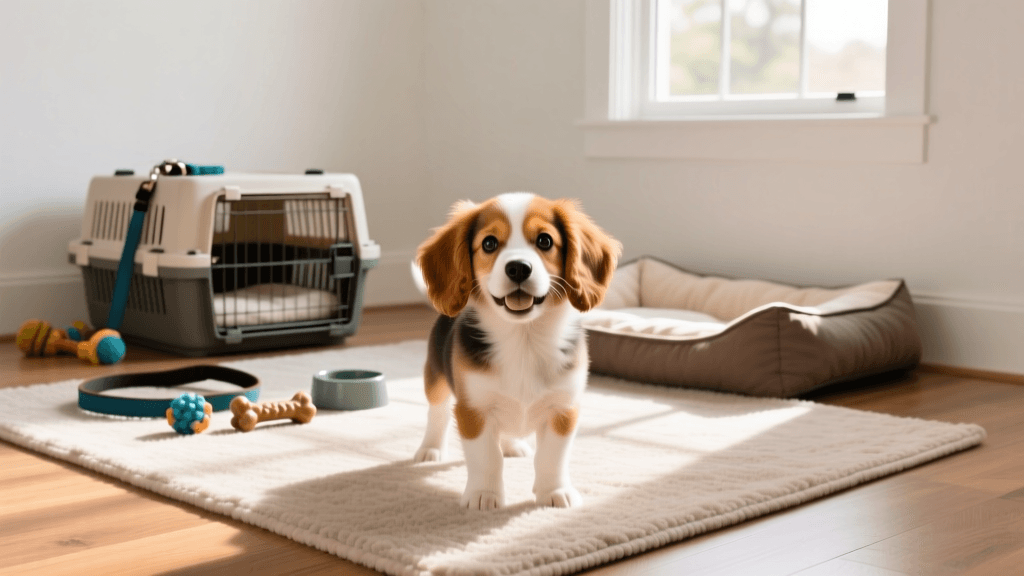
To maximize the effectiveness of these puzzles, you need a dedicated space. We recommend setting up a 4x4 foot gated area or an exercise pen in a low-traffic room of your house. This 'decompression zone' should include:
- A supportive orthopedic bed: Essential for joint support and providing a safe base.
- Water bowl and puzzle station: Keep the area consistent so the dog knows exactly where to find their enrichment activities.
- White noise machine: Helps drown out household sounds that might trigger anxiety.
- Calming pheromone diffuser: Plug-in adaptors help create a biologically calming atmosphere.
'Enrichment is not about making a dog's life complicated; it is about making their environment biologically appropriate. For a rescue dog, a puzzle toy is a bridge between the chaos of the shelter and the peace of a forever home.' — Canine Behaviorist Consensus, 2026
Crucial Safety and Calorie Management Protocols
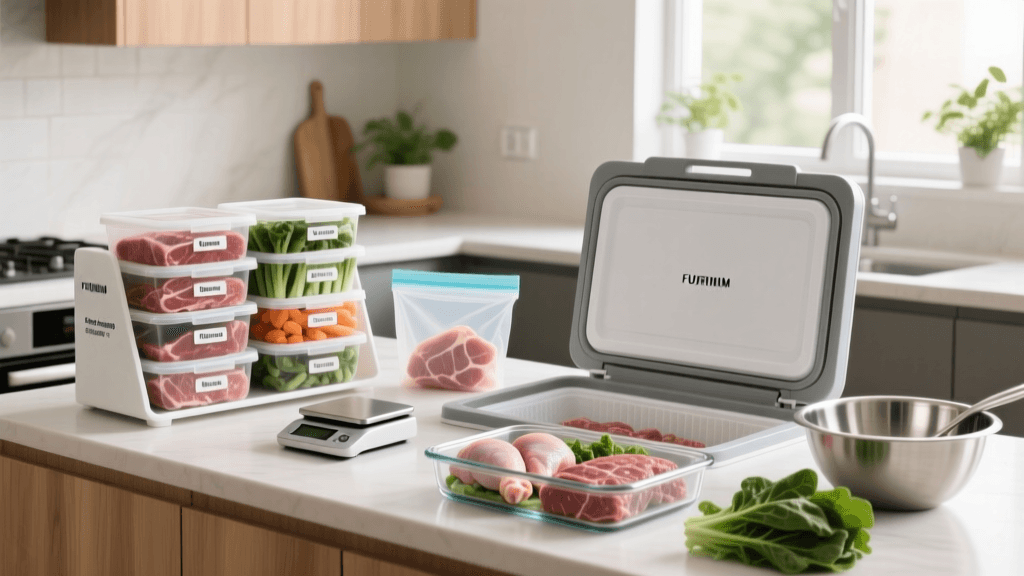
When utilizing food-based puzzles, calorie tracking is non-negotiable. The rise of canine obesity is a major veterinary concern in 2026. You must deduct the calories used in lick mats and snuffle mats from your dog's total daily caloric intake. If your dog requires 600 calories a day, and you use 100 calories of peanut butter and kibble in puzzles, they should only receive 500 calories in their standard meals.
Furthermore, always supervise your dog with new puzzle toys. Rescue dogs may have unknown histories regarding resource guarding or destructive chewing. If a dog begins to aggressively chew the plastic components of a puzzle board, calmly trade them for a high-value chew (like a natural yak cheese stick) and remove the toy. Clean all rubber and silicone mats in the top rack of your dishwasher weekly to prevent bacterial buildup, ensuring your new companion stays healthy and happy as they transition into their new life.
anouk-beaumont
All our authors care for dogs every day — read more of their work on the authors page.