Raw & Fresh Diet Setup for Adopted Dogs: 2026 Guide
Bring your new dog home to a safe raw or fresh diet. Our 2026 guide covers freezer setups, transition plans, and top fresh food starter kits.
Why Start Your Adopted Dog on a Fresh or Raw Diet in 2026?
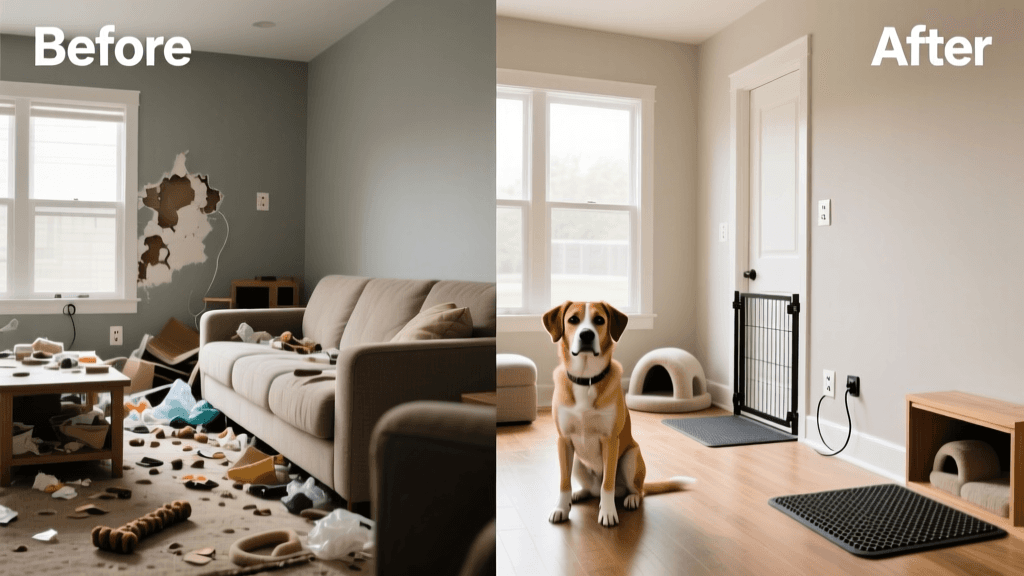
Bringing a newly adopted dog home is one of the most rewarding experiences a pet parent can have. However, the transition from a shelter environment to a loving home is incredibly stressful for a dog, and their digestive system often bears the brunt of that anxiety. In 2026, the veterinary nutrition community increasingly recognizes the profound impact that biologically appropriate, fresh, and raw diets have on a dog's gut microbiome, coat health, and overall vitality. Unlike highly processed kibble, fresh and raw diets retain natural enzymes, bioavailable moisture, and intact nutrients that can help heal a stressed gut and boost a new adoptee's immune system.
According to the ASPCA's New Dog Guide, the first few days in a new home are critical for establishing routines and minimizing stress. If you plan to feed a raw or fresh diet, you must approach the transition with meticulous planning. Jumping straight into a raw diet on day one can lead to severe gastrointestinal upset. This comprehensive 2026 guide will walk you through setting up your home, managing the transition, and ensuring food safety for your new family member.
The First 48 Hours: Managing Diet Transition Stress
When you adopt a dog from a shelter or rescue, they are likely eating a generic, bulk-processed kibble. Their gut microbiome has adapted to this specific food, despite its lack of nutritional superiority. The golden rule for bringing an adopted dog home in 2026 is to feed them the exact same food they were eating at the shelter for at least the first 3 to 5 days. This provides a baseline of digestive stability while they decompress.
During this initial period, focus on setting up your fresh food prep station and organizing your freezer. Use this time to source high-quality transition supplements, such as canine-specific probiotics and bone broth, which will act as a bridge between the processed kibble and the fresh food you intend to introduce.
The 10-Day Fresh Food Transition Protocol
Once your dog has settled in and their stool is firm and normal, you can begin the transition to a raw or gently cooked fresh diet. As of 2026, veterinary nutritionists recommend a slow, 10-day transition protocol to allow the dog's digestive enzymes and gut flora to adapt to the higher protein and moisture content of fresh food.
- Days 1 to 3: 75% shelter kibble, 25% fresh/raw food. Add a canine probiotic to support gut flora.
- Days 4 to 6: 50% shelter kibble, 50% fresh/raw food. Monitor stool consistency closely.
- Days 7 to 9: 25% shelter kibble, 75% fresh/raw food. Introduce raw meaty bones if applicable to your diet model.
- Day 10 and Beyond: 100% fresh or raw diet. Phase out the kibble entirely.
If at any point your dog experiences loose stools, pause the transition, revert to the previous ratio that produced firm stools, and hold there for an additional 48 hours before advancing.
Essential Freezer & Prep Station Setup for Raw Feeders
If you are committing to a DIY raw diet (such as the Prey Model or BARF) or purchasing commercial frozen raw patties, dedicated freezer space is non-negotiable. Buying in bulk is the most cost-effective way to feed raw, but it requires proper cold storage. In 2026, energy-efficient chest and upright freezers are the standard for dedicated raw feeders.
| Dog Weight Category | Monthly Raw Food Volume | Recommended Freezer Size | Ideal 2026 Freezer Model |
|---|---|---|---|
| Toy/Small (Under 20 lbs) | 15 - 25 lbs | 3.0 to 5.0 cu. ft. | Whynter CUF-301SS Upright |
| Medium (20 - 50 lbs) | 30 - 60 lbs | 5.0 to 7.0 cu. ft. | GE Profile 5.0 cu. ft. Chest |
| Large/Giant (50+ lbs) | 75 - 150+ lbs | 10.0 to 15.0 cu. ft. | Frigidaire 14.8 cu. ft. Chest |
Place your dedicated freezer in a garage, basement, or utility room to keep the noise and footprint out of your main kitchen area. Ensure the ambient temperature of the room stays within the manufacturer's recommended range for optimal energy efficiency.
Building a Safe Raw Food Prep Station
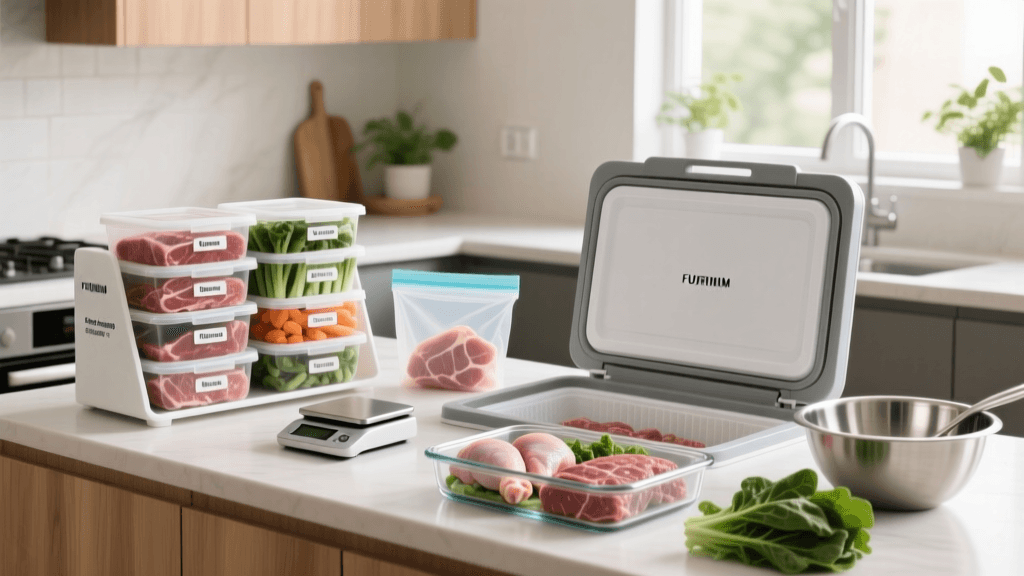
Handling raw meat for your dog requires the same level of hygiene and care as preparing raw chicken or beef for human consumption. Cross-contamination is a serious risk, and having a dedicated prep station in your kitchen will make the process seamless and safe.
- Dedicated Cutting Boards: Use color-coded, commercial-grade polyurethane boards strictly reserved for pet food. Never use the same board you use for human vegetables or cooked meats.
- Digital Food Scale: Precision is vital in raw feeding to ensure your dog receives the correct calcium-to-phosphorus ratio. The Escali Primo digital scale remains a top choice in 2026 for its durability and accuracy down to the gram.
- Stainless Steel Bowls: Avoid plastic bowls entirely, as microscopic scratches can harbor dangerous bacteria like Salmonella and E. coli. Heavy-bottomed stainless steel bowls are easy to sanitize in the dishwasher.
- Commercial Sanitizer: Keep a spray bottle of Star San HB no-rinse sanitizer on hand to quickly wipe down counters and prep areas after handling raw meat.
Hygiene and Safety Protocols
The U.S. Food and Drug Administration (FDA) explicitly warns that raw pet food diets carry a higher risk of containing harmful bacteria such as Salmonella and Listeria. While dogs have shorter, more acidic digestive tracts that can handle these bacteria better than humans, the primary risk is to the human handlers in the household.
To mitigate this risk in 2026, always wash your hands thoroughly with warm water and antibacterial soap for at least 20 seconds after preparing your dog's meals. If your dog licks your face immediately after eating raw food, you are exposing yourself to oral bacteria. Establish a 'post-meal wipe down' routine using pet-safe grooming wipes to clean your dog's muzzle and paws after every raw meal.
Top Fresh Food Delivery Starter Kits for New Adopters
If the idea of sourcing raw meats, grinding bones, and balancing micronutrients feels overwhelming for a new adopter, the 2026 landscape of fresh food delivery services offers an incredible alternative. These companies provide gently cooked, human-grade meals that are formulated to meet the Association of American Feed Control Officials (AAFCO) nutritional standards for all life stages.
- The Farmer's Dog: Known for its 2026 sustainability initiatives, including fully compostable insulation and recyclable food pouches. Their gentle cooking process retains high moisture content, which is excellent for dogs transitioning off dry kibble.
- Nom Nom (by Mars): Offers a highly digestible 'Chicken Chow' recipe that is frequently recommended by veterinary nutritionists for dogs with sensitive stomachs undergoing environmental stress.
- We Feed Raw: For those who want the benefits of raw without the prep work, this service delivers perfectly portioned, HPP-treated (High-Pressure Processing) raw patties that eliminate surface pathogens while retaining raw nutritional benefits.
Supplements to Support Gut Health During the Transition
Even with a meticulous 10-day transition plan, the stress of adoption can cause temporary digestive hiccups. Incorporating targeted supplements during the first month can make the difference between a rocky transition and a seamless one.
Plain, unsweetened kefir is a fantastic, natural source of probiotics. Adding a teaspoon to a small dog's meal or a tablespoon to a large dog's meal introduces beneficial bacteria directly to the gut. Additionally, pure, low-sodium bone broth (made without onions or garlic) can be poured over fresh food to increase palatability and provide natural collagen and glycosaminoglycans, which support joint health and soothe the digestive tract lining.
Conclusion: Setting Your Adopted Dog Up for Lifelong Health
Adopting a dog is a commitment to their lifelong well-being. By choosing to feed a raw or fresh diet, you are investing in their long-term vitality, dental health, and immune function. The key to success in 2026 is preparation. By setting up a dedicated freezer, building a sanitary prep station, and following a slow, methodical transition protocol, you ensure that your newly adopted dog thrives in their new home. Take the time to do it right, and you will be rewarded with a vibrant, healthy companion for years to come.
marcus-aldridge
All our authors care for dogs every day — read more of their work on the authors page.