New Puppy Training Progression: A Week-By-Week Guide
Discover a structured week-by-week puppy training progression plan. Learn essential milestones, socialization tips, and housebreaking schedules.

The Importance of a Structured Training Progression Plan
Bringing a new puppy home is an exhilarating milestone, but it can quickly become overwhelming without a structured roadmap. Many new dog owners make the mistake of attempting to teach complex behaviors before their puppy has mastered the basics, leading to frustration for both human and hound. A well-designed training progression plan breaks down the monumental task of raising a well-adjusted dog into manageable, bite-sized phases. By focusing on specific developmental milestones each week, you can build a foundation of trust, communication, and obedience that will last a lifetime. This guide outlines a comprehensive, week-by-week progression plan tailored for the first sixty days your new puppy spends in your home. From decompression and housebreaking to impulse control and leash manners, we will cover the exact steps, timing, and gear you need to succeed.
Phase 1: Weeks 1 and 2 - Decompression, Potty, and Crate Training
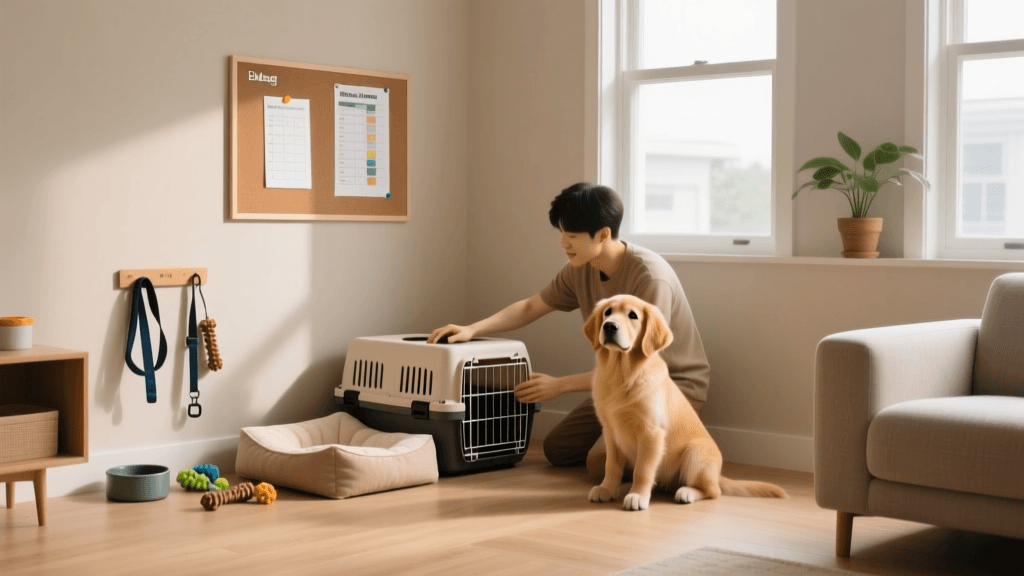
The first fourteen days are all about establishing a safe environment and building foundational routines. Puppies are essentially canine toddlers; they need to learn where to sleep, where to eliminate, and how to self-soothe. During this phase, your primary goals are potty training and crate conditioning. According to the American Society for the Prevention of Cruelty to Animals (ASPCA), consistency is the cornerstone of successful housebreaking. You must take your puppy outside every two hours, as well as immediately after they wake up, eat, drink, or finish a vigorous play session.
Essential Gear for Phase 1
- MidWest Homes for Pets Wire Crate with Divider ($60 - $80): A wire crate allows your puppy to see their surroundings, reducing isolation anxiety. The divider panel is crucial; it allows you to adjust the interior space so the puppy has just enough room to stand, turn around, and lie down. If the space is too large, they may eliminate in one corner and sleep in the other.
- Snuggle Puppy Heartbeat Toy ($40 - $45): This plush toy mimics the physical warmth and heartbeat of a littermate, drastically reducing nighttime whining and crate anxiety during the first two weeks.
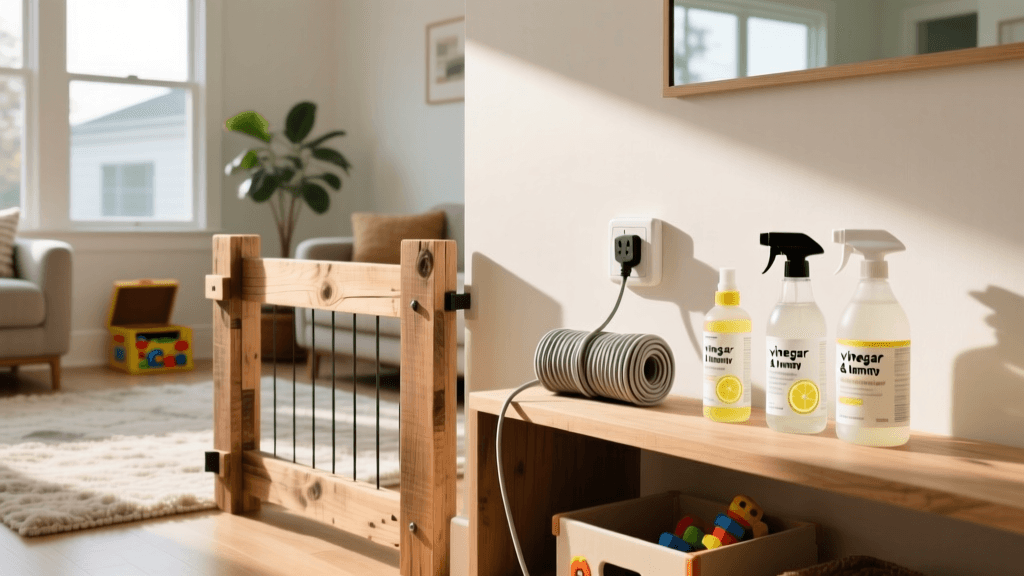
- Nature's Miracle Enzymatic Cleaner ($12 - $15): Standard household cleaners do not break down uric acid crystals. An enzymatic cleaner is mandatory to completely eliminate scent markers, preventing the puppy from returning to the same indoor spot to eliminate.
Begin feeding all of your puppy's meals inside the crate with the door open. This builds a positive association with the space. When you close the door for short, five-minute increments while you are in the room, reward calm behavior with quiet praise. Never use the crate as a punishment.
Phase 2: Weeks 3 and 4 - Foundation Commands and Socialization
Once your puppy has settled into their new home and understands the basic potty routine, you can introduce foundational obedience commands. Keep training sessions incredibly short—no more than five minutes at a time, two to three times a day. A puppy's attention span is fleeting, and ending a session on a positive note is vital for maintaining their enthusiasm.
Teaching 'Sit', 'Down', and Name Recognition
Use high-value, easily consumable treats like Zuke's Mini Naturals (under 3 calories per treat, roughly $6 per bag) to lure your puppy into position. Hold the treat at their nose, slowly move it up and back over their head to trigger a natural 'sit', and mark the exact moment their bottom touches the floor with a verbal 'Yes!' before delivering the reward. Name recognition is equally critical; simply say their name in a cheerful tone, and when they make eye contact, reward them immediately. This builds the habit of checking in with you, which is the precursor to reliable recall.
The Critical Socialization Window
The American Veterinary Medical Association (AVMA) emphasizes that the primary socialization window for puppies occurs between three and fourteen weeks of age. During this brief period, puppies are highly receptive to new experiences. You must safely expose them to various surfaces (grass, gravel, tile, grates), sounds (vacuum cleaners, traffic, thunderstorms played at low volume), and sights (people wearing hats, umbrellas, bicycles). Because your puppy may not be fully vaccinated yet, carry them in a sling or hold them in your arms while exploring public spaces to prevent exposure to dangerous pathogens like parvovirus, while still allowing them to observe the world safely.
Phase 3: Weeks 5 and 6 - Impulse Control and Leash Manners
As your puppy grows, their confidence will increase, often leading to testing boundaries. Weeks five and six focus on impulse control and introducing leash pressure. This is the time to transition from indoor luring to outdoor engagement.
Leash Walking Mechanics
Avoid attaching a leash directly to a flat collar, as puppies have delicate tracheas. Instead, invest in a front-clip harness like the Ruffwear Front Range Harness (approximately $40). The front chest clip gently redirects the puppy's momentum back toward you when they pull. Implement the 'Be a Tree' method: the moment the leash goes taut, stop walking completely. Do not yank or pull back. Simply stand still until the puppy looks back at you or takes a step toward you, creating slack in the leash. Mark that slack with a 'Yes!' and resume walking. This teaches the puppy that pulling results in a halted journey, while a loose leash results in forward momentum.
Teaching 'Leave It' and 'Drop It'
Impulse control can literally save your dog's life. To teach 'Leave It', place a low-value treat inside a closed fist and present it to your puppy. They will sniff, lick, and paw at your hand. Ignore all of this. The exact second they pull their head back or look away from your fist, mark the behavior and reward them with a high-value treat from your opposite hand. Gradually progress to placing the treat on the floor and covering it with your hand, eventually working up to an uncovered treat on the floor. This progression plan ensures your puppy learns that ignoring a temptation yields a better reward.
Phase 4: Weeks 7 and 8 - Proofing Behaviors in New Environments
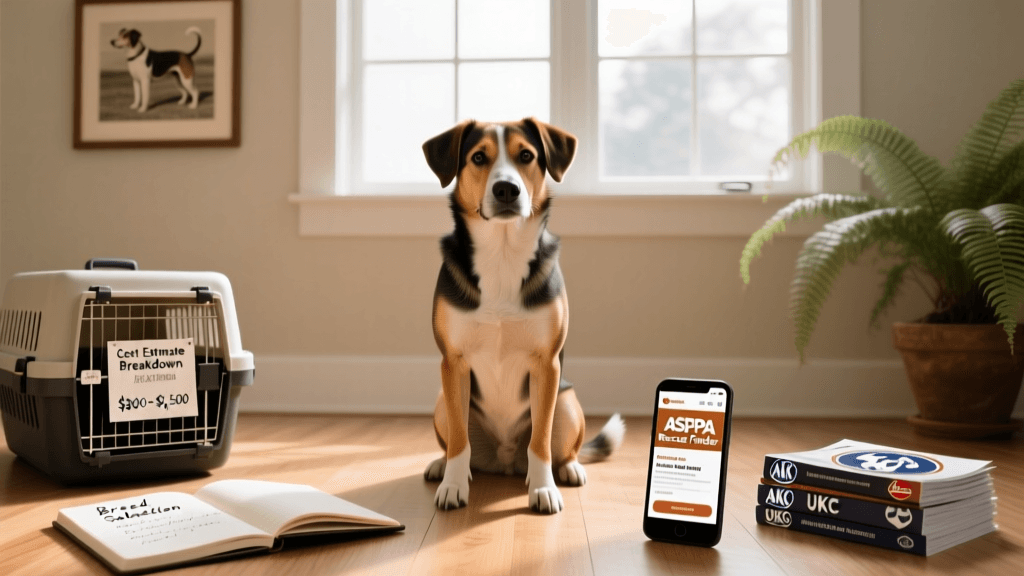
A dog that sits perfectly in your quiet living room may completely ignore the command at a busy park. Weeks seven and eight are dedicated to 'proofing'—practicing known behaviors in increasingly distracting environments. For further reading on foundational skills and environmental proofing, the American Kennel Club (AKC) offers extensive resources on adapting training to real-world scenarios.
Begin by asking for a 'sit' in your backyard. Once that is reliable, move to your front porch, then to the sidewalk, and eventually to a quiet corner of a local park. If your puppy fails to respond, do not repeat the command endlessly. Instead, increase the distance from the distraction, use a higher-value reward (like boiled chicken or freeze-dried liver), and lower your criteria for success. Proofing builds a robust, reliable dog who can think clearly even when their environment is stimulating.
Daily Puppy Training and Potty Schedule
Structure is the antidote to chaos when raising a new dog. Below is a sample daily progression schedule designed for an eight-to-twelve-week-old puppy. Adjust the timing based on your household's routine, but maintain the sequence of activities.
| Time | Activity | Training Focus |
|---|---|---|
| 6:30 AM | Immediate Potty Break | Outdoor reward-based elimination |
| 6:45 AM | Breakfast & Enrichment | Feed inside the crate or via a snuffle mat |
| 7:15 AM | Supervised Play | Bite inhibition and toy redirection |
| 7:45 AM | Morning Nap | Crate conditioning and self-soothing |
| 9:30 AM | Potty Break & Training | 5 minutes of 'Sit' and Name Recognition |
| 10:00 AM | Socialization Walk | Leash manners and environmental exposure |
| 11:00 AM | Midday Nap | Crate rest to prevent overtired biting |
| 1:00 PM | Potty Break & Lunch | Impulse control before eating |
| 2:00 PM | Afternoon Nap | Quiet time with a heartbeat toy |
| 4:00 PM | Potty & Training | 5 minutes of 'Leave It' and 'Drop It' |
| 5:30 PM | Dinner & Chew Time | Kong Classic stuffed with kibble and yogurt |
| 7:30 PM | Evening Wind Down | Gentle petting, handling exercises for grooming |
| 9:30 PM | Final Potty Break | Low-stimulation elimination before bed |
| 10:00 PM | Bedtime | Crate covered with a breathable blanket |
Estimated Training Gear Budget
Investing in the correct tools from day one prevents behavioral issues and saves money on professional rehabilitation later. Below is a breakdown of the essential gear required for the first sixty days of your training progression plan.
| Item | Purpose | Estimated Cost |
|---|---|---|
| Adjustable Wire Crate | Safe space, potty training, and decompression | $60 - $80 |
| Front-Clip Harness | Safe leash walking without tracheal damage | $35 - $45 |
| Enzymatic Cleaner | Destroying indoor potty accident scent markers | $12 - $15 |
| High-Value Training Treats | Motivation for foundation commands (e.g., Zuke's) | $15 - $20 |
| Heartbeat Plush Toy | Reducing nighttime crate anxiety and whining | $40 - $45 |
| Long Training Line (15ft) | Safe recall practice and outdoor sniffing freedom | $15 - $25 |
Final Thoughts on Your Puppy's Progression
Raising a well-mannered dog is a marathon, not a sprint. By adhering to this structured, week-by-week training progression plan, you remove the guesswork from early dog ownership. Remember that setbacks are entirely normal; a puppy who suddenly forgets their potty training during a growth spurt or teething phase is not being stubborn, they are simply developing. Maintain your patience, rely on positive reinforcement, and celebrate the small victories. The time, effort, and consistency you invest during these first sixty days will yield a confident, happy, and deeply bonded companion for the rest of their life.
priya-sutaria
All our authors care for dogs every day — read more of their work on the authors page.