Adopting a Senior Dog: Preparation, Costs, and First-Day Guide
Discover the joys and practical steps of adopting a senior dog. Learn about setup costs, health prep, and first-day essentials for older canines.
The Rewarding Choice: Why Adopt an Older Dog?
When most prospective pet parents walk into an animal shelter, their eyes immediately gravitate toward the puppy room. The appeal of a blank slate, boundless energy, and a lifetime ahead is undeniable. However, adopting a senior dog—typically defined as a canine over the age of seven, though this varies by breed and size—is one of the most profoundly rewarding decisions you can make. Older dogs often come already house-trained, past the destructive chewing phase, and with established personalities, allowing you to know exactly who you are bringing into your home.
From a life stage care perspective, bringing home a senior dog requires a different preparatory approach than adopting a puppy. You are not just training a new pet; you are providing a comfortable, dignified, and loving sanctuary for an animal in their twilight years. Organizations like The Grey Muzzle Organization work tirelessly to highlight the plight of senior shelter dogs, noting that older canines are often the last to be adopted and the first to be euthanized due to shelter overcrowding. By choosing a senior dog, you are quite literally saving a life while gaining a deeply grateful and devoted companion.
Understanding the Senior Life Stage: What to Expect
Before you finalize your adoption, it is crucial to understand the physiological and cognitive changes associated with canine aging. According to the American Kennel Club, senior dogs experience a natural slowdown in metabolism, decreased mobility, and sensory decline. You may notice your new companion sleeping more, exhibiting stiffness in the mornings, or becoming slightly disoriented in unfamiliar environments.
Cognitive Dysfunction Syndrome (CDS), similar to dementia in humans, can also affect older dogs. Symptoms include staring blankly at walls, forgetting learned commands, or experiencing changes in their sleep-wake cycle. Recognizing these signs as natural parts of the aging process—rather than behavioral flaws—is the first step in providing compassionate, life-stage-appropriate care.
Home Preparation: Creating a Senior-Friendly Environment
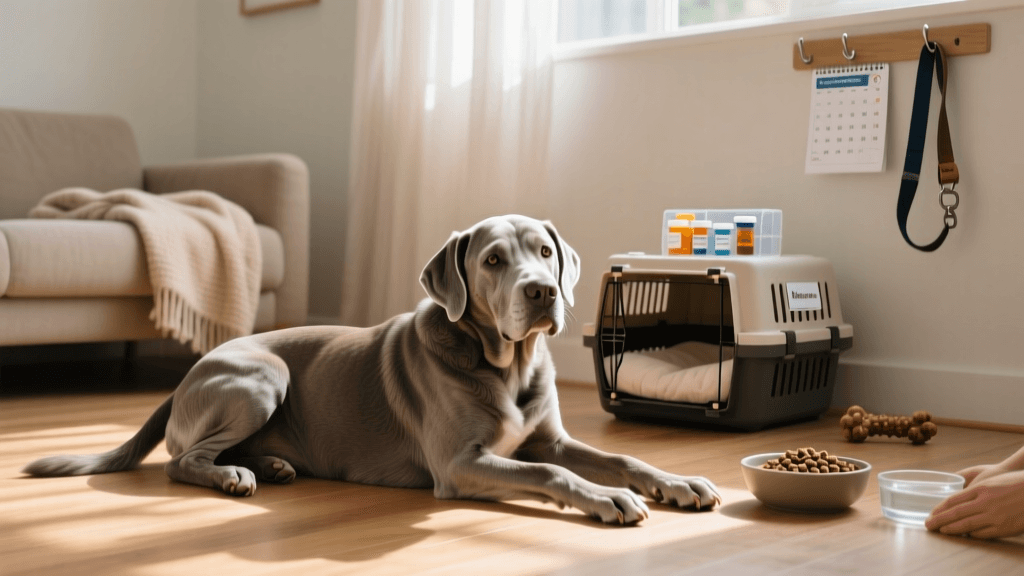
Preparing your home for a senior dog is all about mitigating environmental hazards and maximizing comfort. Slippery hardwood or tile floors are a major hazard for aging joints and weakened hindquarters. To prevent painful slips and falls, lay down interlocking foam floor tiles or secure low-pile area rugs with non-slip pads in high-traffic zones.
Essential Gear for the Aging Canine
- Orthopedic Bedding: Standard stuffed beds do not provide adequate joint support. Invest in a high-quality memory foam bed, such as the Big Barker 7-inch Orthopedic Dog Bed or a thick Furhaven memory foam mattress, to alleviate pressure on hips and elbows.
- Mobility Aids: If your dog is allowed on furniture or needs to enter an SUV, ramps are essential. The PetSafe CozyUp Folding Pet Steps or a telescoping aluminum ramp can prevent the joint trauma associated with jumping.
- Elevated Feeders: Bending down to eat can cause severe neck and spinal strain. An elevated feeding station positioned at your dog's lower chest height encourages better digestion and posture.
- Nightlights and Visual Aids: As canine vision clouds with age or cataracts develop, navigating a dark house becomes stressful. Plug in LED motion-sensor nightlights along hallways and near the potty door to guide them safely.
Financial Preparation: Estimated First-Year Senior Costs
While senior dogs may not require the extensive vaccination schedules of puppies, their veterinary and comfort needs carry specific financial requirements. Below is a breakdown of the anticipated first-year costs when adopting an older dog.
| Expense Category | Estimated Cost | Notes & Recommendations |
|---|---|---|
| Senior Adoption Fee | $50 - $150 | Many shelters offer discounted fees for dogs over 7 years old. |
| Comprehensive Senior Blood Panel | $150 - $250 | Must include thyroid (T4), kidney (BUN/CREA), and liver function. |
| Orthopedic Memory Foam Bed | $100 - $300 | Look for human-grade foam with a waterproof liner. |
| Joint Supplements | $40 - $80 | Monthly cost for veterinary-recommended glucosamine/chondroitin (e.g., Dasuquin). |
| Mobility Aids (Ramps/Stairs) | $50 - $120 | Essential for couches, beds, and vehicle transport. |
| Dental Assessment & Cleaning | $300 - $800 | Senior dogs often require extractions due to advanced periodontal disease. |
Note: Costs vary significantly by geographic location and the specific health status of the individual dog. Always maintain an emergency veterinary fund of at least $1,000 for unexpected age-related emergencies.
Nutrition and Supplementation for the Senior Life Stage
Aging alters a dog's nutritional requirements. Senior dogs generally need fewer calories due to decreased activity levels, but they require highly digestible, premium proteins to maintain muscle mass. According to the ASPCA Senior Dog Care Guidelines, transitioning to a formulated senior diet can help manage weight and support organ function.
Consider diets enriched with Omega-3 fatty acids (EPA and DHA) to support joint health and cognitive function. Formulas like Purina Pro Plan Bright Mind utilize medium-chain triglycerides (MCTs) to provide an alternative energy source for the aging brain. Additionally, incorporating a veterinary-approved joint supplement containing glucosamine, chondroitin, and MSM can significantly improve mobility and comfort in dogs suffering from osteoarthritis.
The First 48 Hours: A Timeline for Success
Transitioning a senior dog from a stressful shelter environment to a quiet home requires immense patience. Older dogs may take longer to decompress and may sleep heavily for the first few days as they recover from chronic shelter stress.
Hour 1 to 4: The Decompression Phase
Bring your new dog directly to their designated safe space—a quiet room or a gated-off living area with their orthopedic bed and water bowl. Do not introduce them to the whole house immediately, and absolutely avoid introducing them to neighborhood dogs or hosting a 'welcome home' party. Allow them to sniff, circle, and settle at their own pace.
Hour 12: Establishing a Gentle Routine
Senior dogs thrive on predictability. Take them out on a leash to the same designated potty spot. Keep walks short (10-15 minutes) to gauge their stamina and prevent joint soreness. Use a supportive harness with a back handle, such as the Ruffwear Web Master, which allows you to gently assist them over curbs or stairs without pulling on their neck.
Hour 24 to 48: Observation and Bonding
Monitor their eating, drinking, and elimination habits closely. Note any signs of stiffness, coughing, or confusion. Begin gentle bonding sessions through quiet petting and low-value treat training. This is also the time to schedule their baseline veterinary wellness exam.
Veterinary Baselines: The Crucial First Checkup
Within the first week of adoption, schedule a comprehensive senior wellness exam. This is not just a standard physical; it is a vital data-gathering mission to establish your dog's health baseline. Request a full senior blood panel, a urinalysis, and a thorough orthopedic and dental evaluation. If your dog has a heart murmur or a persistent cough, ask your veterinarian if a chest X-ray or echocardiogram is warranted. Establishing these baselines immediately allows you to track changes over time and intervene early if age-related diseases like kidney failure or hypothyroidism begin to develop.
Conclusion: A Golden Chapter
Adopting a senior dog is an exercise in empathy, patience, and profound love. While the time you share with them may be shorter than it would be with a puppy, the depth of the bond and the comfort you provide in their final years is immeasurable. By preparing your home, budgeting for their specific life-stage needs, and approaching their care with a compassionate mindset, you are giving a deserving dog the golden retirement they truly deserve.
marcus-aldridge
All our authors care for dogs every day — read more of their work on the authors page.