New Dog Safety: Puppy-Proofing and Emergency Prep Guide
Prepare your home for a new dog with our emergency safety guide. Learn puppy-proofing tips, toxic hazards, and how to build a pet first-aid kit.
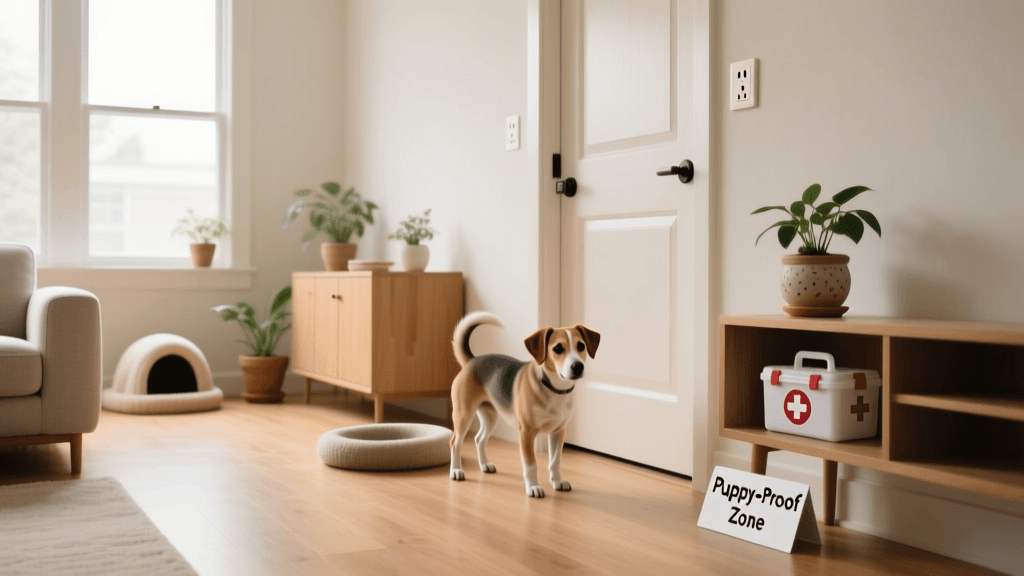
Preparing Your Home for a New Dog: Safety and Emergency Readiness
Bringing a new dog into your home is an exciting milestone, but it also comes with significant responsibilities. Before your new companion crosses the threshold, you must ensure your living space is secure, hazard-free, and equipped for unexpected emergencies. Puppies and newly adopted adult dogs often explore their environments with their mouths, making them highly susceptible to household toxins, choking hazards, and physical injuries. According to the ASPCA Animal Poison Control Center, tens of thousands of pets are exposed to toxic substances in their own homes every year. Proactive puppy-proofing and emergency preparation are not just optional steps; they are critical components of responsible dog ownership.
This comprehensive guide will walk you through the essential steps to secure your home, identify hidden dangers, assemble a life-saving canine first-aid kit, and create an emergency evacuation plan tailored to your new dog's needs.
Room-by-Room Puppy-Proofing Checklist
Getting down on your hands and knees to view your home from a dog's eye level is the most effective way to identify potential hazards. Here is how to tackle the most dangerous rooms in your house.
The Kitchen and Dining Area
The kitchen is a minefield of toxic foods and dangerous objects. Secure all lower cabinets with childproof latches, especially those containing cleaning supplies, trash bags, or dishwasher pods. Foods like grapes, raisins, onions, garlic, macadamia nuts, and anything containing xylitol (a common artificial sweetener found in sugar-free gum and peanut butter) are highly toxic to dogs. Keep trash cans inside latched cabinets or use heavy, step-on lids. Ensure all electrical cords for appliances are tucked away or covered with split-loom tubing to prevent fatal electrocution or severe oral burns.
Living Rooms and Bedrooms
Electrical wires, remote controls (which contain button batteries that can cause severe internal burns if swallowed), and small decorative items must be elevated. Use cord concealers or bitter-tasting chew deterrents like Grannick's Bitter Apple Spray on baseboards and furniture legs. Secure heavy bookshelves and televisions to the wall using anti-tip straps; a climbing puppy or an exuberant adult dog can easily pull down heavy furniture. Keep shoes, socks, and children's toys in closed bins, as ingesting fabric can lead to life-threatening intestinal blockages requiring emergency surgery costing upwards of $3,000 to $5,000.
Bathrooms and Laundry Rooms
Always keep toilet lids closed, especially if you use automatic bowl cleaners or drop-in bleach tablets. Store all medications, vitamins, and supplements in high, locked cabinets. Dogs can easily chew through child-resistant pill bottles. Keep laundry detergent pods entirely out of reach, as a single punctured pod can cause severe respiratory distress and chemical burns.
Garages and Outdoor Spaces
Antifreeze (ethylene glycol) is notoriously sweet-tasting to dogs but causes rapid, irreversible kidney failure and death even in minuscule amounts. Switch to a propylene glycol-based antifreeze, which is safer, and clean up any spills immediately. Store rodenticides, snail baits, and fertilizers on high shelves or in locked chests. Ensure your fencing is secure, checking for gaps, loose boards, or digging spots. Bury chicken wire along the fence line if your new dog is an avid digger.
Identifying Toxic Plants and Household Chemicals
Many common houseplants and garden shrubs are lethal to dogs. The American Kennel Club (AKC) warns that popular plants like Sago Palms, Oleander, and Autumn Crocus can cause fatal liver failure or cardiac arrest. Before bringing your dog home, audit your indoor and outdoor flora.
| Common Plant / Item | Toxicity Level | Primary Symptoms |
|---|---|---|
| Sago Palm | Severe / Fatal | Vomiting, liver failure, seizures |
| Lilies (True Lilies) | Moderate to Severe | Gastrointestinal upset, lethargy |
| Oleander | Severe / Fatal | Cardiac arrhythmias, tremors |
| Xylitol (Sugar-Free Gum) | Severe / Fatal | Hypoglycemia, seizures, liver necrosis |
| Cocoa Mulch | Moderate to Severe | Vomiting, tachycardia, muscle spasms |
Pro Tip: If you suspect your dog has ingested a toxic substance, do not wait for symptoms to appear. Contact your veterinarian or a pet poison helpline immediately. Time is the most critical factor in poisoning cases.
Building Your Canine First-Aid Kit
Do not wait for an emergency to gather supplies. Assemble a dedicated pet first-aid kit before your dog arrives. A well-stocked kit costs between $40 and $80 and can stabilize your dog during transit to the veterinary hospital. Store these items in a waterproof, clearly labeled container.
- Hydrogen Peroxide (3%): Used to induce vomiting ONLY under the direct instruction of a veterinarian. The standard dosage is 1 teaspoon per 5 pounds of body weight.
- Styptic Powder (e.g., Kwik Stop): Essential for stopping bleeding from torn nails.
- Digital Pet Thermometer: A normal dog's temperature ranges from 101.0°F to 102.5°F. Use a rectal thermometer lubricated with petroleum jelly for the most accurate reading.
- Non-Adherent Gauze Pads and Self-Adhering Vet Wrap: For bandaging wounds without sticking to fur or skin.
- Blunt-Tipped Scissors and Tweezers: For cutting bandages and removing ticks or debris from paws.
- Diphenhydramine (Benadryl): Useful for allergic reactions or mild insect stings. Consult your vet for the correct dosage (typically 1mg per pound of body weight).
- Soft Nylon Muzzle: Even the sweetest dog may bite when experiencing severe pain or shock. A muzzle protects you and the veterinary staff.
- Emergency Blanket: To prevent shock and maintain body heat during transport.
- Pet-Specific Eye Wash: To flush out dirt, debris, or irritants from your dog's eyes after hiking or playing in the yard.
Emergency Evacuation and Disaster Planning
Natural disasters, fires, and extreme weather events require swift action. Your dog's safety must be integrated into your family's emergency evacuation plan. The American Red Cross emphasizes that if it isn't safe for you to stay in your home, it isn't safe for your pets.
Create a 'Pet Go-Bag' that includes:
- A three-day supply of food and bottled water in airtight containers.
- Collapsible bowls and a manual can opener (if using canned food).
- A sturdy, properly sized travel crate or a crash-tested car harness.
- Copies of your dog's veterinary records, rabies vaccination certificates, and microchip registration information stored in a waterproof sleeve.
- A recent, clear photo of you with your dog to prove ownership in case you are separated.
- An extra leash, collar with an ID tag, and a familiar comfort item like a blanket.
Ensure your dog is microchipped and that the registry contact information is updated before an emergency occurs. A collar tag can fall off, but a microchip provides permanent, undeniable identification. Most veterinary clinics and shelters offer microchipping for $45 to $75.
Identify pet-friendly hotels or boarding facilities outside of your immediate evacuation zone. Many emergency shelters do not accept pets due to health and safety regulations, so having a pre-arranged destination is vital for your dog's survival and comfort.
Setting Up Emergency Contacts
Before your dog's first night home, program the following numbers into your phone and post them on your refrigerator:
- Your primary veterinarian's daytime and after-hours emergency numbers.
- The address and phone number of the nearest 24/7 emergency veterinary hospital.
- ASPCA Animal Poison Control Center: (888) 426-4435 (Note: A consultation fee may apply).
- A trusted neighbor or friend who has a key to your home and can evacuate your dog if you are not home during a disaster.
By taking the time to puppy-proof your home, assemble a first-aid kit, and establish a clear emergency plan, you are providing your new dog with the safest possible foundation. Preparation is the ultimate expression of love and responsible ownership, ensuring that you are ready to handle whatever challenges come your way.
priya-sutaria
All our authors care for dogs every day — read more of their work on the authors page.