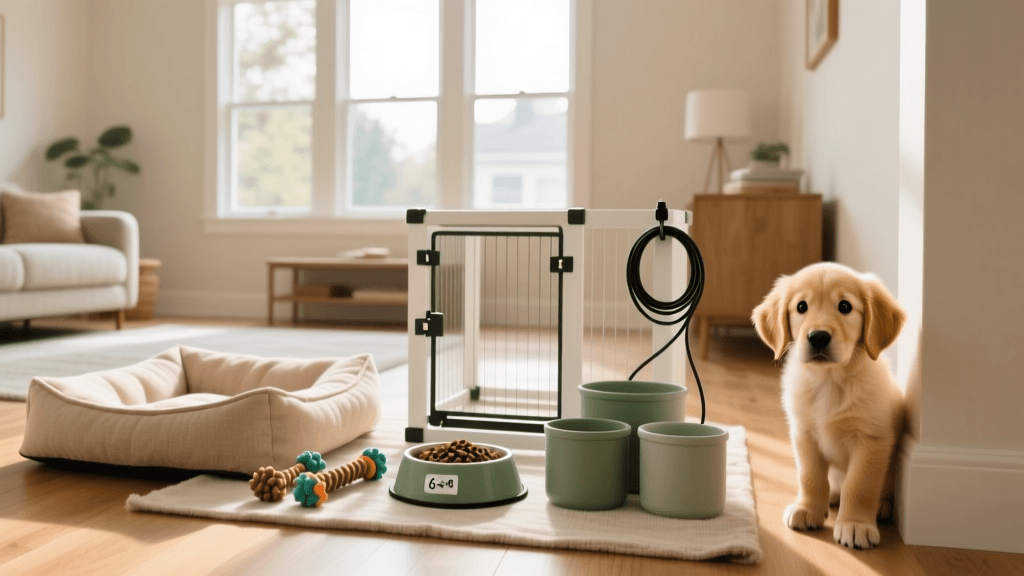
New Dog Feeding Guide: First 30 Days Nutrition Plan
Discover essential feeding strategies for your newly adopted dog. Learn how to transition foods, set schedules, and avoid digestive upset in the first month.

The Critical First Month: Why Nutrition Matters
Bringing a new dog or puppy home is an exhilarating milestone, but the first 30 days represent a critical window of physiological and psychological adjustment. During this period, your newly adopted dog is navigating a surge of environmental stressors: new scents, unfamiliar sounds, different sleeping arrangements, and a complete shift in daily routine. This stress directly impacts the canine gastrointestinal (GI) tract, often leading to a temporary compromise in gut flora and immune function. Proper nutrition and strategic feeding protocols during this first month are not just about sustaining energy; they are foundational tools for stabilizing your dog's digestive system, supporting immune health, and building a foundation of trust through predictable routines.
The Golden Rule: Do Not Change Food on Day One
It is incredibly tempting to purchase a premium, high-end kibble or a raw diet and immediately switch your new dog over the moment they cross your threshold. However, veterinary nutritionists strongly advise against this. A sudden change in diet, combined with the stress of relocation, is a primary recipe for severe gastrointestinal upset, including diarrhea, vomiting, and appetite loss. When you adopt from a shelter or rescue, or purchase from a breeder, always ask for a small bag of the exact food the dog has been eating. For the first week in your home, feed exclusively this familiar diet. This provides a baseline of digestive stability while your dog acclimates to their new environment.
The 10-Day Food Transition Protocol
Once your dog has settled in (usually around day 7 to 10), you can begin transitioning to your preferred high-quality dog food. According to the Tufts University Clinical Nutrition Team, a gradual transition over 7 to 10 days allows the microbiome in your dog's GI tract to adapt to new protein sources, carbohydrate profiles, and fat levels without triggering inflammation or diarrhea.
Follow this structured transition chart to ensure a smooth dietary shift:
| Timeframe | Current (Old) Food Ratio | New Food Ratio | Observation Notes |
|---|---|---|---|
| Days 1 to 3 | 75% | 25% | Monitor stool consistency closely. |
| Days 4 to 6 | 50% | 50% | Ensure adequate water intake. |
| Days 7 to 9 | 25% | 75% | Watch for signs of food allergies (itching, ear scratching). |
| Day 10 and Beyond | 0% | 100% | Full transition complete; establish long-term feeding routine. |
Note: If your dog develops soft stools at any stage, pause the transition, revert to the previous ratio that produced firm stools, and maintain it for an additional 48 hours before proceeding.
Establishing a Feeding Schedule by Age
Free-feeding (leaving a bowl of kibble out all day) is generally discouraged for newly adopted dogs. Scheduled feeding helps regulate the digestive tract, makes potty training significantly easier by predicting elimination times, and allows you to monitor appetite—a key indicator of overall health. The American Kennel Club (AKC) emphasizes that feeding frequencies must align with a dog's age, metabolic rate, and growth stage.
Puppies (8 Weeks to 6 Months)
Puppies have small stomachs and high metabolic demands. They require three to four measured meals per day to maintain stable blood sugar levels. A sample schedule includes:
- 7:00 AM: Breakfast (Followed by a potty break at 7:30 AM)
- 12:00 PM: Lunch
- 5:00 PM: Dinner
- Optional 8:00 PM: Small snack for toy breeds prone to hypoglycemia
Adolescents and Adults (6 Months and Older)
As your dog matures, you can transition to twice-daily feedings. Feeding once a day can lead to bilious vomiting syndrome (vomiting yellow bile on an empty stomach) in some dogs. A standard adult schedule is:
- 7:00 AM - 8:00 AM: Breakfast (Half of the daily caloric requirement)
- 5:00 PM - 6:00 PM: Dinner (Remaining half of the daily caloric requirement)
Actionable Tip: Avoid feeding your dog within two hours of bedtime or immediately before vigorous exercise to reduce the risk of Gastric Dilatation-Volvulus (bloat), particularly in large, deep-chested breeds like Great Danes or German Shepherds.
Managing Stress-Induced Digestive Upset
Even with a careful transition, the stress of adoption can cause temporary colitis or loose stools. Before rushing to the emergency vet, you can employ safe, at-home dietary interventions to firm up your dog's stool and soothe their GI tract:
- 100% Pure Canned Pumpkin: Ensure you buy plain pumpkin puree, not pumpkin pie filling (which contains toxic spices and xylitol). Add 1 tablespoon per 10 pounds of body weight to their meals. The high soluble fiber content absorbs excess water in the colon. Cost: Approximately $3.00 per can.
- Canine Probiotics: Stress depletes beneficial gut bacteria. Supplementing with a veterinary-formulated probiotic like Purina Pro Plan FortiFlora or Nutrimax Proviable can rapidly restore microbial balance. Cost: $25 to $35 for a 30-day supply.
- Bland Diet Protocol: If diarrhea persists for more than 24 hours, fast the dog for 12 hours (with access to water), then introduce a bland diet of boiled, skinless chicken breast and plain white rice (1 part chicken to 2 parts rice) for 48 hours before slowly reintroducing kibble.
For comprehensive guidelines on what constitutes a balanced diet and which human foods are safe for occasional treats, always refer to the ASPCA's Dog Nutrition Tips to ensure you are not inadvertently feeding toxic items like grapes, onions, or macadamia nuts.
Hydration and Essential Feeding Gear
Nutrition is only half the equation; proper hydration is equally critical. A general rule of thumb is that dogs need approximately 1 ounce of water per pound of body weight daily. A 50-pound Labrador will need roughly 50 ounces (about 6 cups) of water every day. To encourage hydration, especially if your dog is eating a dry kibble diet, consider investing in a pet water fountain. The moving water entices dogs to drink more, supporting kidney function and urinary tract health.
Choosing the Right Bowls
The material of your dog's food and water bowls can impact their skin and dental health. Avoid plastic bowls, which harbor microscopic scratches that breed bacteria and can cause canine acne on the chin and muzzle. Instead, opt for:
- Stainless Steel Bowls: Durable, dishwasher safe, and bacteria-resistant. (Estimated Cost: $15 - $25 for a set)
- Ceramic Bowls: Heavy and stable, but ensure they are lead-free and glazed properly. (Estimated Cost: $20 - $35)
- Slow Feeder Bowls: If your newly adopted dog inhales their food in seconds—a common trait in shelter dogs who had to compete for resources—use a slow feeder bowl or a Kong Classic toy stuffed with kibble and a little peanut butter. This prevents choking, reduces bloat risk, and provides mental enrichment. (Estimated Cost: $12 - $20)
Conclusion
The first 30 days with a new dog require patience, observation, and a strategic approach to nutrition. By resisting the urge to change foods immediately, adhering to a strict 10-day transition protocol, and establishing a consistent feeding schedule, you protect your dog's vulnerable digestive system. Coupled with the right feeding gear and proactive management of stress-related tummy troubles, your nutritional strategy will help your new companion thrive, setting the stage for a long, healthy, and vibrant life together in their forever home.
priya-sutaria
All our authors care for dogs every day — read more of their work on the authors page.