First 48 Hours With a New Dog: 7 Mistakes You Must Avoid
Bringing a new dog home? Avoid these 7 critical first 48-hour mistakes to ensure a smooth transition, reduce stress, and build a lasting bond.

The First 48 Hours: Setting the Stage for Success
Bringing a new dog home is one of the most exciting milestones in life. However, the transition from a shelter, breeder, or foster home to your living room is incredibly jarring for a canine. The first 48 hours are a critical window that dictates how your dog perceives their new environment, their safety, and their relationship with you. While many new owners focus on what they should do, understanding what NOT to do is equally vital. Making the wrong moves during this fragile window can lead to behavioral regressions, severe anxiety, and unnecessary veterinary bills.
As a senior dog care specialist, I have seen countless well-meaning owners sabotage their dog's adjustment period by committing avoidable errors. Below, we break down the seven most critical mistakes you must avoid during your new dog's first 48 hours, complete with actionable alternatives and expert-backed strategies.
1. DON'T Host a 'Meet and Greet' Party
It is natural to want to show off your new family member to friends, family, and neighbors. However, hosting a gathering within the first 48 hours is a recipe for sensory overload. Dogs process the world through scent and sound, and a house full of strangers introduces dozens of new smells, loud noises, and unpredictable movements.
The Warning Signs of Overstimulation
If your dog is panting heavily, pacing, hiding, or exhibiting 'whale eye' (showing the whites of their eyes), they are overwhelmed. Forcing them to be petted by a parade of visitors can trigger fear-based reactivity or defensive biting. According to the Centers for Disease Control and Prevention (CDC), understanding canine stress signals and avoiding forced interactions are primary methods for preventing dog bites and building trust. Keep your home quiet for the first weekend. Limit introductions to immediate household members only.
2. DON'T Allow Full House Free-Roam
Opening every door and giving your new dog the run of the house seems like a welcoming gesture, but it is a massive spatial mistake. A new environment is inherently terrifying. Giving a dog access to a 2,000-square-foot home immediately is akin to dropping a human in the middle of a sprawling, unfamiliar city without a map.
The 'Safe Zone' Alternative
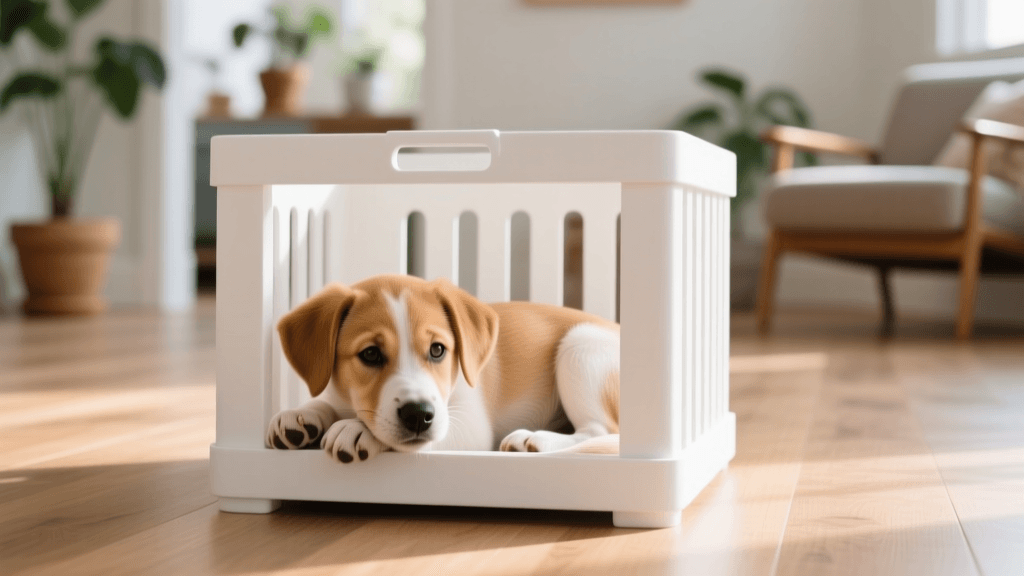
Instead of free-roaming, restrict your dog to a single 'basecamp' room or a confined area using a 4-panel metal exercise pen (typically 4x4 or 4x8 feet, costing around $40 to $60). This smaller footprint is easier to defend, easier to clean, and drastically reduces anxiety. Place their crate, water bowl, and a long-lasting chew (like a Kong Classic stuffed with frozen peanut butter) inside this zone. Let them decompress in a space where they can easily predict their surroundings.
3. DON'T Force Affection or Eye Contact
Many new owners make the mistake of looming over their new dog, hugging them tightly, or forcing prolonged eye contact to 'bond.' In canine body language, direct staring and looming are often perceived as confrontational or dominant threats. While your Golden Retriever puppy might tolerate it, a rescue dog with an unknown history may interpret this as a severe threat.
Let the Dog Initiate
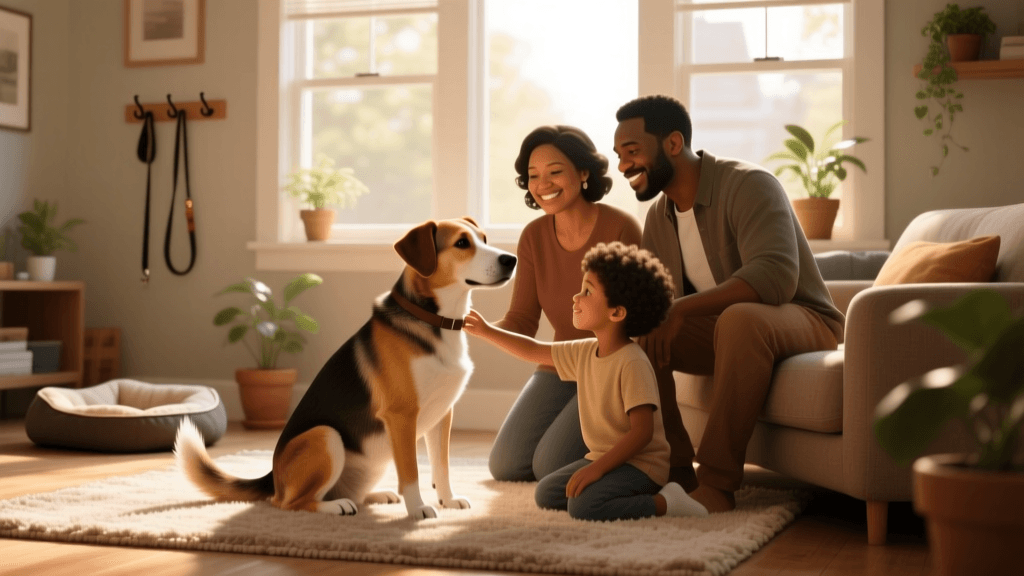
Sit on the floor, turn your body slightly sideways to appear less threatening, and ignore the dog. Allow them to approach you on their own terms. When they do, offer a low-value treat and gentle chest scratches—avoid reaching over their head. Respecting their boundaries in the first 48 hours builds a foundation of consent and trust that will pay dividends for years.
4. DON'T Change Their Diet Abruptly
Walking into a pet store and buying a premium, grain-free, or raw diet to 'upgrade' your dog's food on day one is a gastrointestinal disaster waiting to happen. Sudden dietary changes disrupt the microbiome, leading to severe diarrhea, vomiting, and dehydration. This not only causes immense stress for the dog but also ruins your potty training efforts and can result in an emergency vet visit costing upwards of $150.
The 7-Day Transition Protocol
Find out exactly what the shelter or breeder was feeding and purchase a small bag of that exact formula. If you plan to switch foods, wait until the dog is fully settled (at least two weeks), and then use a strict 7-day transition schedule:
- Days 1-2: 75% old food, 25% new food
- Days 3-4: 50% old food, 50% new food
- Days 5-6: 25% old food, 75% new food
- Day 7: 100% new food
5. DON'T Wait for Accidents to Potty Train
Assuming your new adult dog or puppy will 'ask to go out' or ring a bell on day one is a critical error. A dog cannot communicate their biological needs in a house they do not yet view as their territory. Waiting for them to squat on your rug and then scolding them only teaches them to fear you and hide behind furniture to eliminate.
Proactive Scheduling
For the first 48 hours, operate on a strict, proactive schedule. Take the dog out on a leash every 2 hours, immediately after waking up, after every meal, and after any play session. Stand in one designated 'potty spot' in the yard and use a consistent cue word like 'Go Potty.' If an accident does happen indoors, do not punish the dog. Clean it immediately with an enzymatic cleaner like Nature's Miracle (approx. $12) to completely break down the uric acid crystals and prevent repeat offenses.
6. DON'T Ignore the Decompression Period
New owners often expect their dog's true personality to shine immediately. When the dog sleeps for 18 hours a day, hides under the bed, or refuses to play, owners panic, assuming the dog is sick or 'broken.' This ignores the widely recognized '3-3-3 Rule' of dog adoption.
As outlined by resources from The Humane Society of the United States, dogs need time to adjust to new routines and environments. The 3-3-3 rule dictates:
- 3 Days: To decompress from the stress of the transition (often characterized by sleeping, hiding, or lack of appetite).
- 3 Weeks: To learn your routine, figure out the household rules, and start showing their true personality.
- 3 Months: To finally feel completely at home, build deep trust, and settle into their permanent behavioral baseline.
Do not force a decompressing dog to engage in high-energy activities. Let them sleep and observe.
7. DON'T Delay the Veterinary Wellness Exam
While you should keep your dog's world small for the first 48 hours, you should not delay their medical baseline. Waiting weeks to schedule a vet visit leaves you blind to underlying issues like parasitic infections, dental disease, or congenital defects. Furthermore, many shelters and breeders require a wellness exam within 48 to 72 hours to validate their health guarantees or adoption contracts.
What to Do Instead
Schedule the appointment before the dog even comes home. The American Society for the Prevention of Cruelty to Animals (ASPCA) emphasizes the importance of establishing a veterinary relationship immediately to ensure core vaccines, heartworm prevention, and microchip registrations are up to date. Bring a fresh stool sample to the appointment to check for intestinal parasites, which are incredibly common in shelter environments.
Summary Chart: The First 48 Hours Survival Guide
To keep your household on track, print this quick-reference chart and stick it on your refrigerator for all family members to see during the critical first weekend.
| Scenario | WHAT NOT TO DO (The Mistake) | WHAT TO DO INSTEAD (The Solution) |
|---|---|---|
| Arriving Home | Letting the dog off-leash to explore the yard and house. | Keep on a 6-foot leash; guide them directly to their designated potty spot, then to their safe zone. |
| Meeting Family | Passing the dog around the couch for hugs and kisses. | Family members sit quietly on the floor, tossing high-value treats without making direct eye contact. |
| Feeding Time | Offering table scraps or a brand-new premium kibble. | Feed the exact shelter/breeder diet in a quiet, low-traffic area to prevent resource guarding. |
| Nighttime | Letting the dog cry it out in a dark, isolated basement. | Place the crate in your bedroom or use a Snuggle Puppy with a heartbeat simulator ($40) to ease separation anxiety. |
| Accidents | Yelling or rubbing the dog's nose in the mess. | Interrupt calmly, carry them outside, reward outdoor elimination, and clean indoors with an enzymatic spray. |
Final Thoughts on the Transition
The first 48 hours with a new dog are not about teaching commands, mastering tricks, or visiting the local dog park. This window is entirely about establishing safety, routine, and trust. By actively avoiding these seven common mistakes, you protect your dog from unnecessary stress and set the stage for a harmonious, lifelong relationship. Patience during the decompression phase is the greatest gift you can offer your new companion. Take a deep breath, keep the house quiet, and let your new dog guide the pace of their own adjustment.
hannah-wickes
All our authors care for dogs every day — read more of their work on the authors page.