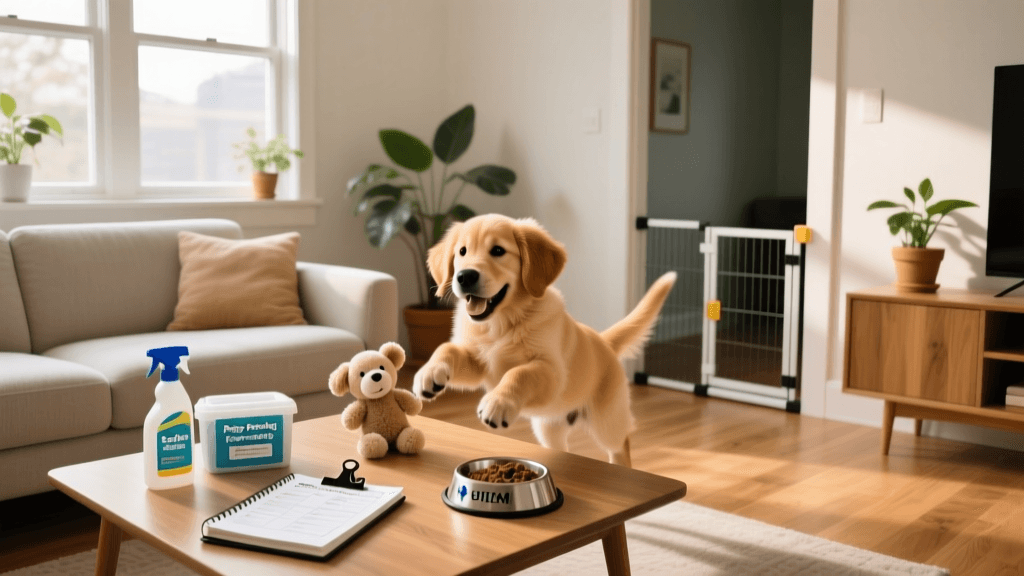
Getting a Golden Retriever: Costs, Prep, and Care
Discover everything about getting a Golden Retriever. Learn about puppy costs, temperament, home prep, and first-month essentials for new owners.

Is the Golden Retriever the Right Breed for Your Family?
Deciding to bring a dog into your home is a monumental life event, and choosing the right breed is the foundation of a harmonious relationship. For decades, the Golden Retriever has been celebrated as the quintessential family dog. Known for their striking golden coats, gentle mouths, and eager-to-please attitudes, these dogs are incredibly versatile. However, getting a Golden Retriever requires more than just an appreciation for their beautiful appearance; it demands a deep understanding of their specific physical, mental, and emotional needs.
According to the American Kennel Club (AKC), Golden Retrievers are intelligent, reliable, and exceptionally friendly. They were originally bred in the Scottish Highlands as gundogs, meaning they possess a high energy level, a strong retrieving instinct, and a need for regular, vigorous exercise. If you are an active individual or a family with a fenced yard and a desire for an outdoor companion, this breed might be your perfect match. Conversely, if you live in a small apartment without easy access to parks, or if you work long hours away from home, the Golden's need for companionship and activity may lead to destructive behaviors born of boredom and separation anxiety.
The True Cost of Getting a Golden Retriever
One of the most common mistakes new owners make is underestimating the financial commitment of a large-breed dog. The initial purchase or adoption fee is merely the tip of the iceberg. Large breed dogs consume more food, require larger (and more expensive) gear, and often incur higher veterinary costs for medications and surgeries simply due to their size.
Below is a realistic breakdown of the first-year costs associated with getting a Golden Retriever puppy from a reputable source:
| Expense Category | Estimated Cost (USD) | Notes & Recommendations |
|---|---|---|
| Puppy Purchase (Breeder) | $2,500 - $4,000 | Avoid backyard breeders; invest in OFA-tested lineage. |
| Adoption Fee (Rescue) | $300 - $600 | Often includes initial vaccines and spay/neuter. |
| Initial Vet & Vaccines | $300 - $500 | Distemper, Parvo, Rabies, and initial heartworm prep. |
| Spay/Neuter Surgery | $400 - $800 | Wait until 12-18 months for large breeds to allow joint growth. |
| High-Quality Puppy Food | $80 - $120 / month | Look for large-breed specific formulas (e.g., Purina Pro Plan). |
| Preventatives (Flea/Tick/HW) | $200 - $300 / year | Simparica Trio or NexGard are highly recommended. |
| Group Training Classes | $150 - $300 | Essential for managing a 70-pound dog's leash manners. |
As you can see, the first year of getting a Golden Retriever can easily cost between $4,000 and $6,000 if purchasing from a breeder. Budgeting accurately ensures you never have to compromise on your dog's healthcare or nutrition.
Breed-Specific Gear: What You Actually Need
Golden Retrievers grow rapidly, often reaching 60 to 75 pounds within their first year. Buying gear that fits a 15-pound puppy will result in wasted money, as they will outgrow it in a matter of weeks. When preparing your home, invest in adult-sized equipment from day one.
- The Crate: Purchase a 42-inch wire crate (such as the MidWest Homes for Pets iCrate). These usually come with a divider panel, allowing you to adjust the space as your puppy grows. A properly sized crate prevents soiling and aids in housebreaking.
- Chew Toys: Goldens are notorious chewers, especially during the teething phase (3 to 6 months). The KONG Classic (Large or XL) is an absolute necessity. Stuff it with plain Greek yogurt and peanut butter (xylitol-free), then freeze it to soothe inflamed gums.
- Leashes and Collars: Skip the retractable leashes. Invest in a 6-foot Biothane leash. Biothane is waterproof, easy to clean, and won't absorb the mud and drool that Goldens are famous for tracking into your home.
- Grooming Tools: Their double coat sheds heavily. An undercoat rake and a high-velocity pet dryer will save your furniture and your sanity during the bi-annual "blowing coat" seasons.
Preparing Your Home and Yard
Before bringing your Golden home, you must "puppy-proof" your environment with their specific traits in mind. Golden Retrievers are highly food-motivated and possess a strong sense of smell. Countertops must be cleared, trash cans moved inside latched cabinets, and toxic foods (grapes, xylitol, chocolate, macadamia nuts) secured out of reach.
Outdoors, a secure fence is non-negotiable. While Goldens are not typically escape artists like Huskies, their retrieving instinct can cause them to chase a squirrel or a neighbor's cat into the street. A minimum 5-foot privacy fence is recommended, as it removes the visual stimulus of passersby, keeping your dog calmer and less likely to attempt to dig under or jump over the boundary.
Vetting Your Breeder: Non-Negotiable Health Clearances
The heartbreaking reality of the breed's popularity is the proliferation of irresponsible breeders who prioritize profit over health. Golden Retrievers are genetically predisposed to certain conditions, including hip and elbow dysplasia, specific heart conditions, and various cancers. When getting a Golden Retriever, you must demand proof of health testing.
The Golden Retriever Club of America (GRCA) mandates that responsible breeders perform specific health screenings. Do not accept a vet's "clean bill of health" as a substitute for genetic and orthopedic testing. You must ask for official documentation from the Orthopedic Foundation for Animals (OFA) for the following:
- Hips and Elbows: X-rays evaluated by the OFA to ensure the parents do not have dysplasia.
- Heart: A clearance from a board-certified veterinary cardiologist.
- Eyes: An annual CERF (Canine Eye Registration Foundation) exam by a veterinary ophthalmologist.
Pro Tip: You can independently verify a breeding dog's health clearances by searching the OFA public database using the dog's registered name or microchip number. If a breeder refuses to share the parents' names, walk away immediately.
Your First 30 Days: A Week-by-Week Timeline
The transition into your home is a critical period for socialization and bonding. Follow this structured timeline to set your Golden Retriever up for lifelong success.
- Week 1: Decompression and Routine. Keep your world small. Limit visitors to immediate family. Establish a strict potty schedule—take the puppy out every 2 hours, immediately after waking, eating, and playing. Use high-value treats like boiled chicken to reward outdoor elimination.
- Week 2: Environmental Socialization. Begin carrying your puppy (to avoid parvovirus exposure before full vaccination) to various environments. Sit on a park bench, visit the hardware store parking lot, and expose them to the sounds of traffic, machinery, and diverse groups of people.
- Week 3: Foundation Training. Start short, 5-minute training sessions focusing on "sit," "touch" (hand target), and name recognition. Goldens are highly intelligent and thrive on mental stimulation; training tires them out just as much as physical exercise.
- Week 4: Handling and Grooming Prep. Spend time daily touching their paws, looking inside their ears, and gently brushing their coat. Pair this handling with treats. This proactive desensitization will make future vet visits and grooming sessions stress-free for both you and your dog.
Final Thoughts on Bringing Home a Golden
Getting a Golden Retriever is a profound commitment that rewards you with unparalleled loyalty, affection, and joy. By understanding the breed's specific financial, physical, and medical requirements, you transition from simply buying a puppy to thoughtfully preparing for a canine family member. Take the time to research breeders, invest in the right large-breed gear, and establish a consistent routine from day one. Your Golden Retriever will spend the next decade or more giving you their entire heart; the least we can do is ensure we are fully prepared to give them the life they deserve.
anouk-beaumont
All our authors care for dogs every day — read more of their work on the authors page.