Non-Toxic Home Prep for New Dogs: 2026 Holistic Guide
Prepare your home for a new dog using holistic, non-toxic methods. Discover 2026's best natural enzyme cleaners and safe indoor plants for pets.
The Holistic Philosophy of Home Preparation in 2026
Bringing a new dog into your life is a profound journey that extends far beyond selecting the right breed or rescue. As we navigate 2026, the holistic pet care movement has firmly established that a dog's environment is just as critical to their long-term health as their diet. Dogs explore the world primarily through their olfactory senses and spend the vast majority of their time close to the floor, making them exceptionally vulnerable to household toxins, synthetic fragrances, and chemical residues. Preparing your home from a natural and holistic perspective means creating a sanctuary that supports your dog's microbiome, respiratory health, and emotional well-being.
In recent years, veterinary toxicologists and holistic practitioners have emphasized the concept of 'biophilic pet design'—the practice of integrating natural elements, non-toxic materials, and clean air into the spaces where our animals live. By eliminating endocrine-disrupting chemicals and replacing them with botanical and enzymatic alternatives, you lay the foundation for a vibrant, disease-free life for your new companion. This comprehensive guide will walk you through the essential steps to detoxify your home, curate safe indoor botanicals, and establish a natural sanctuary for your new dog.
Ditching the Chemicals: The Hidden Dangers of Conventional Cleaners
Before your new dog's paws ever touch your floors, it is vital to audit your cleaning supplies. Conventional household cleaners often contain quaternary ammonium compounds (quats), phenols, and synthetic fragrances. Phenols, commonly found in heavy-duty disinfectants and some pine-scented cleaners, are highly toxic to dogs and can cause severe liver damage and central nervous system depression even through secondary inhalation or paw absorption. Furthermore, synthetic fragrances rely on phthalates, which are known endocrine disruptors that can interfere with a dog's hormonal balance over time.
According to the Environmental Protection Agency (EPA), many standard cleaning products release volatile organic compounds (VOCs) that linger in the air and settle into carpets and upholstery. Because a dog's respiratory rate is faster than a human's, and their noses are positioned directly in the chemical settling zone, they absorb these VOCs at a much higher concentration. In 2026, the gold standard for holistic home maintenance is the complete elimination of these synthetic agents in favor of bio-enzymatic and plant-based alternatives.
2026’s Best Natural and Enzymatic Cleaners
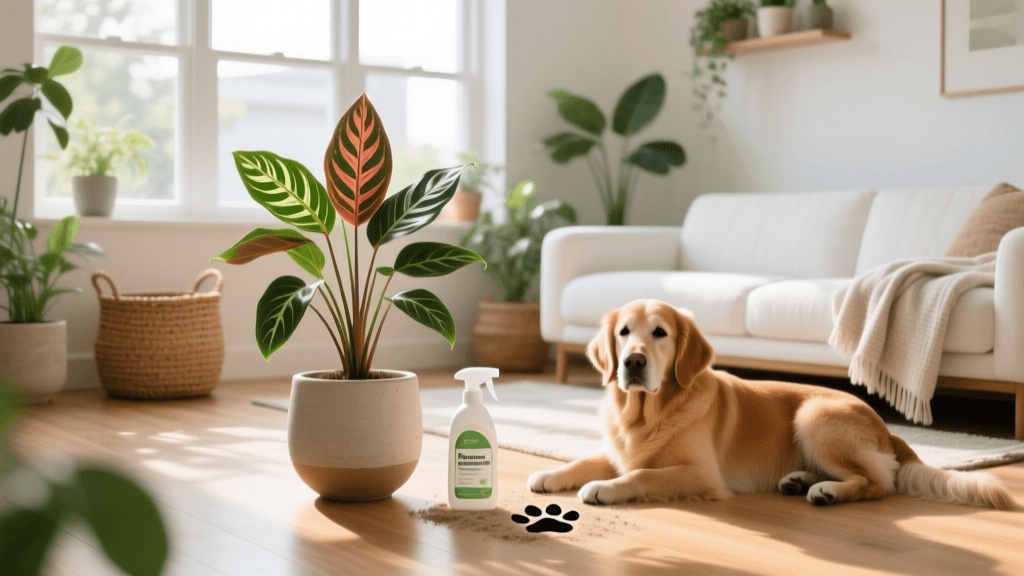
To maintain a pristine, safe home, transition to bio-enzymatic cleaners. These products utilize naturally occurring bacteria and enzymes to break down organic matter, stains, and odors at the molecular level without leaving toxic residues. They are particularly crucial for the inevitable puppy accidents or rescue dog adjustment periods.
- Bio-Enzymatic Stain Removers: Look for plant-derived enzyme blends that specifically target uric acid and proteins. These not only clean but neutralize the scent markers that encourage repeat soiling, all while being 100% safe for paws and tongues.
- Castile Soap Solutions: Unscented, organic castile soap is a versatile, biodegradable surfactant. A simple mixture of one-quarter cup of liquid castile soap to a gallon of warm water provides a powerful, non-toxic floor mop solution for sealed hardwood and tile.
- DIY Botanical All-Purpose Spray: Combine equal parts distilled white vinegar and purified water in a glass spray bottle. Add a sprig of fresh rosemary or a few drops of dog-safe hydrosol (such as chamomile or lavender hydrosol, which are vastly safer than concentrated essential oils) for a gentle, antimicrobial surface cleaner.
Biophilic Design: Air Quality and Safe Indoor Botanicals
Integrating nature into your home improves both your mental health and your dog's physical environment. Houseplants act as natural air purifiers, filtering out airborne toxins and regulating indoor humidity. However, a dog's natural curiosity—especially the teething phase of a puppy or the exploratory chewing of a stressed rescue—means you must carefully curate your botanical collection.
The ASPCA Animal Poison Control Center maintains that common household plants like Sago Palms, Pothos, and Peace Lilies are frequent culprits in veterinary emergency visits due to their calcium oxalate crystals and systemic toxins. To embrace holistic biophilic design safely, replace these hazards with lush, non-toxic alternatives that add vibrancy to your home without posing a risk to your dog's gastrointestinal or hepatic systems.
| Plant Category | Toxic Plants to Remove (Danger) | Holistic Safe Alternatives (Dog-Friendly) |
|---|---|---|
| Trailing / Vining | Pothos, Philodendron (Oral irritation, vomiting) | Spider Plant (*Chlorophytum comosum*), String of Hearts |
| Tropical Foliage | Sago Palm, Monstera (Liver failure, swelling) | Calathea (Prayer Plant), Boston Fern, Parlor Palm |
| Succulents | Aloe Vera, Jade Plant (Toxicity, lethargy) | Haworthia (Zebra Plant), Echeveria, Burro's Tail |
| Flowering | Peace Lily, Calla Lily (Kidney/GI distress) | African Violet, Orchid, Bromeliad |
Natural Pest and Parasite Prevention for the Home and Yard
A holistic approach to getting a dog also encompasses how you manage the perimeter of your home. Traditional chemical pesticides and synthetic flea bombs disrupt the local ecosystem and leave toxic residues on your lawn and carpets. In 2026, holistic dog owners rely on biological and mineral-based pest control methods.
- Food-Grade Diatomaceous Earth (DE): This fine powder, made from fossilized algae, is a mechanical insecticide. When lightly dusted in carpets, baseboards, and dog bedding, it dehydrates fleas and ticks without introducing neurotoxins into your home. Always ensure you purchase 'Food-Grade' DE and wear a mask during application to avoid inhaling the fine dust.
- Beneficial Nematodes: For your yard, apply beneficial nematodes (microscopic soil worms) via a hose-end sprayer. They naturally hunt and destroy flea larvae and tick populations in the soil, maintaining a balanced yard microbiome that is entirely safe for your dog to roam and dig in.
- Cedarwood Oil Sprays: For outdoor perimeter defense, use water-based cedarwood oil sprays. The natural phenols in cedarwood repel insects and mask the scent of your dog from pests, creating a natural barrier around your patio and garden.
Building the Holistic Canine Sanctuary (The Zen Den)
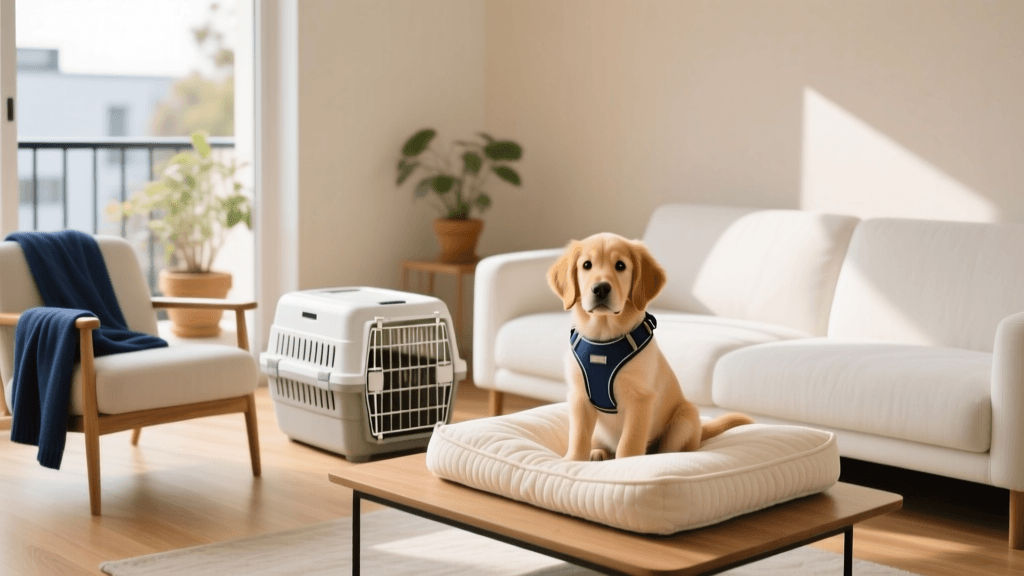
Every new dog needs a designated safe space to decompress, especially during the critical first weeks of transition. Conventional pet beds are often manufactured with polyurethane foams treated with chemical flame retardants, which off-gas VOCs directly into your dog's sleeping zone. A holistic sanctuary requires natural, breathable materials.
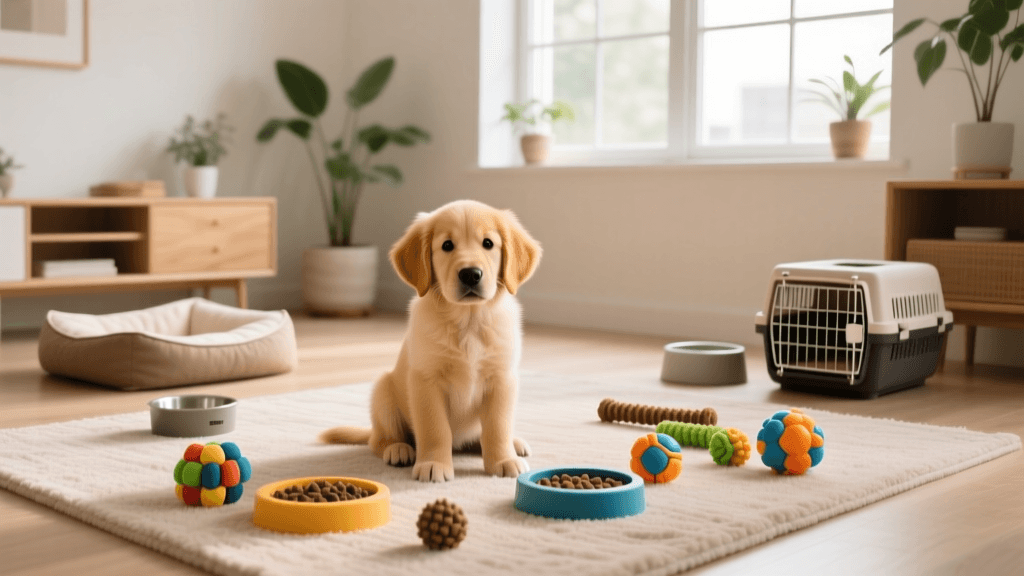
Opt for beds constructed from organic cotton canvas, stuffed with natural kapok fiber or shredded organic latex. These materials are naturally resistant to dust mites and mold, and they do not require chemical flame retardants. For toys, avoid cheap plastics and synthetic ropes that can fray and cause intestinal blockages or leach microplastics. Instead, stock your sanctuary with natural rubber toys, untreated hemp rope, and organic wool chews. These materials satisfy a dog's primal need to gnaw and forage while remaining entirely biodegradable and non-toxic if accidentally ingested in small amounts.
Your 14-Day Holistic Home Detox Protocol
To ensure your home is fully prepared before your new dog arrives, follow this structured 14-day protocol:
- Days 1-3 (The Purge): Remove all toxic houseplants, synthetic air fresheners, and chemical-based floor cleaners from the premises. Donate or safely dispose of them.
- Days 4-6 (Deep Clean): Shampoo carpets and steam-clean upholstery using only hot water and bio-enzymatic solutions. This lifts years of embedded chemical residues and synthetic fragrances.
- Days 7-9 (Air & Botanicals): Install a true HEPA air purifier in the room where your dog will spend the most time. Introduce your new, ASPCA-approved non-toxic houseplants to begin naturally filtering the indoor air.
- Days 10-12 (Yard & Perimeter): Apply beneficial nematodes to your lawn and dust food-grade diatomaceous earth in hidden indoor crevices to establish a natural pest barrier.
- Days 13-14 (Sanctuary Setup): Assemble the organic cotton and latex bed in a quiet, low-traffic corner. Place a few natural hemp and rubber toys nearby, and ensure the space is free from electrical cords and small choking hazards.
Conclusion
Preparing your home for a new dog through a natural and holistic lens is an investment in their lifelong vitality. By eliminating hidden toxins, embracing safe botanicals, and utilizing the power of natural enzymes and biological pest control, you create more than just a living space—you create a healing environment. As you welcome your new companion in 2026, you can rest easy knowing that every corner of your home is designed to nurture, protect, and celebrate the beautiful bond between human and hound.
priya-sutaria
All our authors care for dogs every day — read more of their work on the authors page.