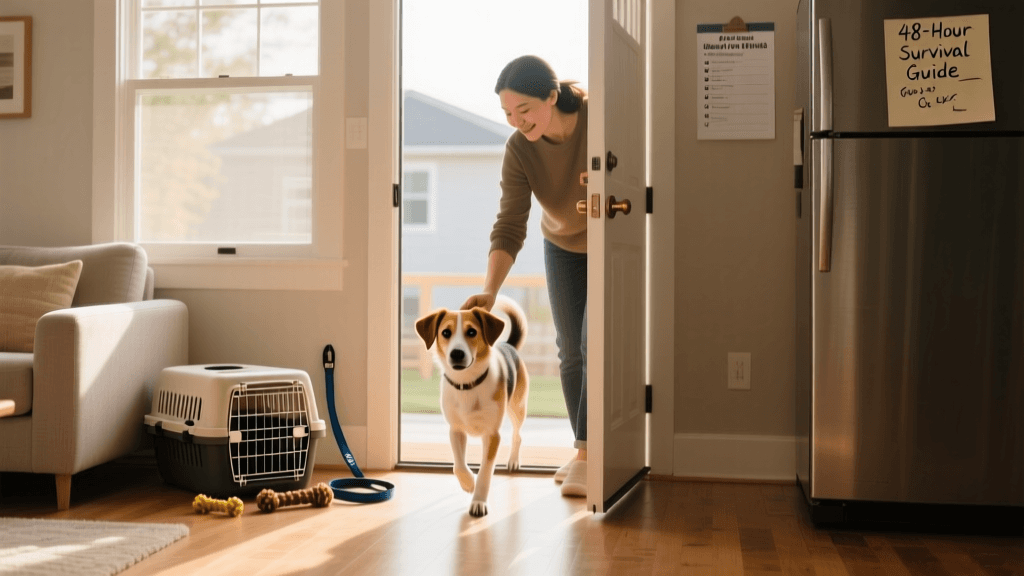
Expert Vet & Trainer Q&A: Surviving The First 30 Days With A New Dog
Get expert advice from a vet and dog trainer on surviving the first 30 days with a new dog. Covers costs, crate training, and vaccination schedules.

Expert Vet & Trainer Q&A: Navigating the First 30 Days With Your New Dog
Bringing a new dog into your home is one of the most exciting milestones in life, but the first 30 days can also be overwhelming. Between deciphering vaccination schedules, managing midnight potty breaks, and figuring out the right crate size, new owners often feel buried in conflicting advice. To cut through the noise, we sat down with two seasoned professionals: Dr. Elena Rostova, a veterinarian with over 15 years of clinical experience, and Marcus Thorne, a certified professional dog trainer (CPDT-KA) specializing in puppy and adolescent behavior.
In this exclusive Q&A, they tackle the most pressing questions new owners face during the critical first month, providing actionable data, exact measurements, and realistic cost breakdowns to set you and your new dog up for lifelong success.
Q1: Dr. Rostova, what is the exact vaccination and vet visit schedule for the first month?
Dr. Rostova (Veterinarian): The first 30 days usually align with the 8-to-12-week window for puppies, or the immediate onboarding phase for an adult rescue. For puppies, maternal antibodies are waning, making them highly susceptible to pathogens like Parvovirus and Distemper. You cannot skip or delay these core visits. According to the ASPCA guidelines on canine vaccinations, core vaccines are administered in a series every 3 to 4 weeks until the puppy is at least 16 weeks old.
If you are adopting an adult dog with an unknown medical history, treat them as unvaccinated. They will need an initial DHPP (Distemper, Hepatitis, Parainfluenza, Parvovirus) and Rabies vaccine, followed by a DHPP booster 3 to 4 weeks later. Below is a standard first-month veterinary timeline and estimated out-of-pocket costs for a puppy entering your home at 8 weeks old.
| Age / Timeline | Vaccines & Treatments | Estimated Cost | Vet Notes & Action Items |
|---|---|---|---|
| Week 1 (Age 8 wks) | DHPP, Deworming, Fecal Float | $75 - $120 | Check for congenital issues; start heartworm prevention. |
| Week 3 (Age 10 wks) | DHPP Booster, Bordetella | $60 - $90 | Discuss Leptospirosis based on your local wildlife risk. |
| Week 5 (Age 12 wks) | DHPP Booster, Rabies | $80 - $130 | Rabies is legally required. Spay/neuter consult scheduled. |
Pro-Tip: Purchase a fecal sample container from your vet on day one. Intestinal parasites like Giardia and Coccidia are incredibly common in shelter and breeder environments and require specific, targeted medications that standard dewormers do not cover.
Q2: Marcus, how do I choose the right crate size and introduce it without causing anxiety?
Marcus (Dog Trainer): The crate is your most valuable tool for potty training and preventing destructive chewing, but it must be introduced as a sanctuary, not a prison. The most common mistake I see is buying a crate that is far too large. Dogs naturally avoid soiling their sleeping area. If the crate is too big, they will designate one corner as a bedroom and the opposite corner as a bathroom.
How to Measure for a Crate:
- Length: Measure from the tip of your dog's nose to the base of their tail (do not include the tail itself), then add 2 to 4 inches.
- Height: Measure from the floor to the top of their head (or the tips of their ears if they are erect), then add 2 inches.
For growing puppies, buy an adult-sized wire crate (such as the MidWest Homes for Pets iCrate) that includes a heavy-duty metal divider panel. Adjust the divider as the puppy grows so they only have enough room to stand up, turn around, and lie down comfortably.
According to the Humane Society's crate training resources, the introduction process should be entirely positive and gradual over the first week. Start by tossing high-value treats (like freeze-dried liver or small pieces of boiled chicken) into the back of the crate. Feed all meals inside the crate with the door open. Once the dog is comfortably eating inside, close the door for just 30 seconds, then open it before they finish. Gradually increase the duration. Never use the crate as a time-out or punishment zone.
Q3: What is the true financial cost of the first 30 days?
Dr. Rostova & Marcus (Joint Answer): New owners frequently underestimate the upfront costs of the first month. While the adoption fee or breeder price is a one-time expense, the first 30 days require a heavy influx of gear, medical care, and nutrition. Here is a realistic budget breakdown for a medium-sized dog (approx. 40-50 lbs adult weight).
- Initial Veterinary Care: $200 - $350 (Includes exams, core vaccines, fecal tests, and heartworm/flea/tick preventatives like Simparica Trio or NexGard).
- High-Quality Nutrition: $60 - $90 (Puppies require 3 meals a day. Look for foods that meet WSAVA guidelines, such as Purina Pro Plan, Hill's Science Diet, or Royal Canin).
- Containment & Gear: $120 - $200 (Wire crate, heavy-duty leash, front-clip harness like the Freedom No-Pull Harness, and stainless steel bowls).
- Enrichment & Training: $50 - $100 (Kong Classic, snuffle mat, long-line leash, and high-value training treats).
- Pet Insurance Enrollment: $40 - $70 (First month's premium. Enrolling during the first 30 days is critical to ensure congenital and hereditary conditions are covered before they are documented in your vet's file).
Total Estimated First-Month Cost: $470 to $810 (excluding the initial acquisition cost of the dog). Setting up an emergency fund of at least $1,000 is highly recommended for unexpected gastrointestinal issues or foreign body ingestion, which are notoriously common in the first month.
Q4: How do I safely socialize my puppy before their vaccines are complete?
Marcus (Dog Trainer): This is where veterinary medicine and behavioral science intersect, and it causes a lot of anxiety for owners. The primary socialization window for puppies closes between 12 and 16 weeks of age. If you wait until your puppy is fully vaccinated at 16 weeks to take them out into the world, you have missed the critical developmental window for preventing fear and reactivity.
The American Kennel Club and veterinary behaviorists emphasize that the risk of under-socialization (leading to behavioral euthanasia later in life) often outweighs the risk of disease exposure, provided you manage the environment carefully. As noted in the AKC's guide to puppy socialization, you must expose your puppy to novel sights, sounds, and surfaces safely.
Actionable Socialization Rules for the First 30 Days:
- Avoid High-Risk Zones: Never place your unvaccinated puppy on the ground at dog parks, pet stores, or public rest stops where unknown dogs have eliminated.
- Use a Wagon or Carrier: Take your puppy to hardware stores, outdoor cafes, and busy parks in a collapsible wagon or a sling. They get to see umbrellas, hear loud engines, and smell new environments without their paws touching contaminated soil.
- Host Controlled Playdates: Invite friends over who have adult dogs that you know are fully vaccinated and have gentle temperaments. Let the puppy interact on your own sanitized lawn or living room floor.
- Surface Training: Bring home different textures. Let your puppy walk on bubble wrap, aluminum foil, wet grass, and grates. Pair every new surface with a high-value food reward to build confidence.
Final Thoughts for New Owners
The first 30 days with a new dog are a marathon, not a sprint. Sleep deprivation is real, and potty training regressions are normal. By adhering to a strict veterinary schedule, utilizing a properly sized crate, budgeting for the true costs of dog ownership, and prioritizing safe, controlled socialization, you are building a foundation of trust and health that will last a lifetime. Remember to give yourself grace—both you and your dog are learning an entirely new language together.
priya-sutaria
All our authors care for dogs every day — read more of their work on the authors page.