Living With Flat-Faced Dogs: Daily Care and BOAS Management
Discover how to manage daily life, exercise, and health for brachycephalic dog breeds. Learn practical tips to prevent BOAS and keep your dog happy.

Brachycephalic dog breeds—such as French Bulldogs, Pugs, English Bulldogs, and Boston Terriers—have surged in popularity over the last decade. Their expressive eyes and compact sizes make them irresistible companions. However, sharing your life with a flat-faced dog requires a profound understanding of their unique genetic makeup and anatomical limitations. The defining feature of these breeds is their shortened skull shape, a genetic trait that directly leads to Brachycephalic Obstructive Airway Syndrome (BOAS). Managing a dog with BOAS is not just about veterinary visits; it is a 24/7 commitment that influences your daily routine, travel plans, home environment, and exercise habits.
Understanding Brachycephalic Obstructive Airway Syndrome (BOAS)
BOAS is a lifelong respiratory condition caused by the selective breeding for extremely short muzzles while the soft tissue of the throat and palate remains the same size. According to the American College of Veterinary Surgeons (ACVS), the primary anatomical abnormalities associated with BOAS include stenotic nares (narrowed nostrils), an elongated soft palate, a hypoplastic trachea (narrow windpipe), and everted laryngeal saccules. These genetic predispositions mean that every breath your dog takes requires more physical effort than a dog with a standard muzzle length. Over time, the increased negative pressure in the airway can lead to secondary complications, including laryngeal collapse and severe gastrointestinal issues like hiatal hernias, which are common in brachycephalic breeds due to the immense effort required to inhale.
Structuring Your Flat-Faced Dog’s Daily Routine
A standard 60-minute jog around the neighborhood is not suitable for a brachycephalic dog. Their compromised airways make them highly susceptible to heatstroke and respiratory fatigue. Instead, daily exercise must be carefully curated.
Strategic Walking Schedules
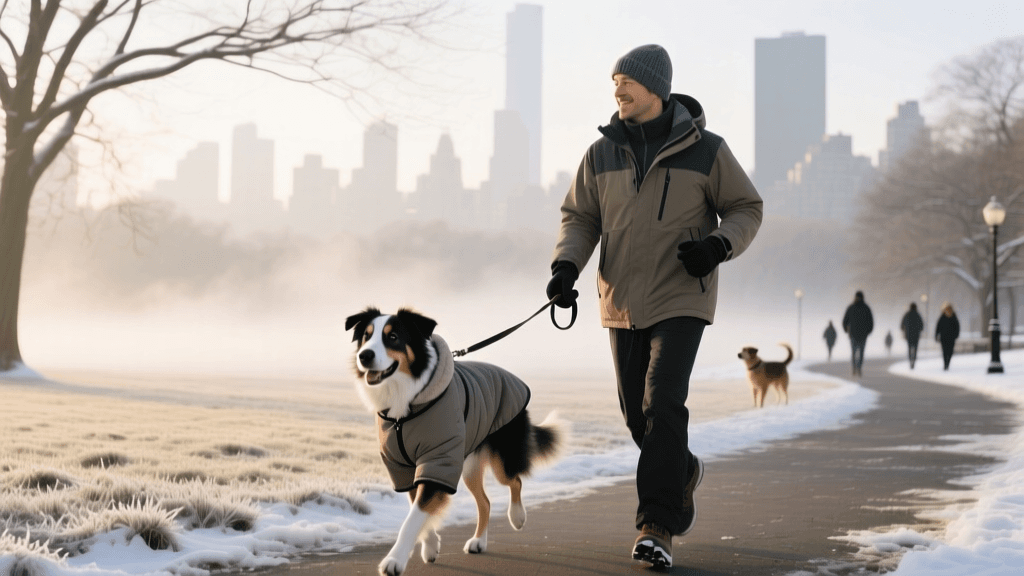
Limit walks to 15 or 20 minutes, and schedule them during the coolest parts of the day—early morning or late evening. If the ambient temperature exceeds 75°F (24°C), or if the humidity is high, skip the outdoor walk entirely. Asphalt retains heat and can rapidly elevate your dog's core temperature while burning their paw pads.
Mental Enrichment Over Cardio
Because physical exertion is limited, you must tire your dog out mentally to prevent destructive behaviors born from boredom. Incorporate daily sniffaris using a long line in a shaded, grassy area. Inside the home, utilize puzzle feeders like the Outward Hound Dog Brick or KONG Classic toys stuffed with frozen, dog-safe bone broth. A 20-minute mental enrichment session can burn as much caloric energy as an hour of physical walking, keeping your dog satisfied without compromising their respiratory health.
Environmental Modifications for Respiratory Health
Your home environment plays a critical role in managing your dog's genetic predispositions. Brachycephalic dogs cannot pant efficiently, which is the primary mechanism dogs use to cool down. Therefore, climate control is non-negotiable.
Temperature and Humidity Control
Maintain your indoor temperature between 68°F and 72°F (20°C - 22°C). During the summer months, use air conditioning rather than relying on fans, as fans only circulate hot air and do not aid in canine evaporative cooling. Consider investing in cooling gear, such as the K&H Pet Products Cool Bed III or a pressure-activated cooling mat, to give your dog a safe place to regulate their body temperature after a short walk.
Ditch the Collar for a Proper Harness
Never attach a leash to a neck collar on a flat-faced dog. Pulling against a collar puts direct pressure on the trachea, exacerbating airway inflammation and potentially causing tracheal collapse. Always use a well-fitted, Y-shaped or vest-style harness that distributes pressure across the chest and shoulders. Brands like Ruffwear (specifically the Web Master or Front Range) offer excellent support without compromising the neck area. Ensure you can fit two fingers snugly between the harness straps and your dog’s body to prevent chafing.
Diet, Weight Management, and Feeding Mechanics
Genetics may load the gun, but environment pulls the trigger. Obesity is the single most significant modifiable risk factor for dogs with BOAS. Extra adipose tissue (fat) around the neck and chest physically restricts the airway and increases the metabolic demand for oxygen. You must keep your brachycephalic dog at a lean Body Condition Score (BCS) of 4 or 5 on a 9-point scale. You should be able to easily feel their ribs without pressing hard, and they should have a visible abdominal tuck.
Furthermore, how your dog eats matters. Brachycephalic dogs are prone to aerophagia (swallowing excess air) while eating, which can lead to severe flatulence, discomfort, and an increased risk of gastric dilatation-volvulus (bloat). Use slow-feeder bowls, such as the Outward Hound Fun Feeder, to force your dog to eat slowly. Feeding two to three smaller meals a day, rather than one large meal, also aids in digestion and reduces the mechanical pressure on the diaphragm.
Travel and Socialization Considerations
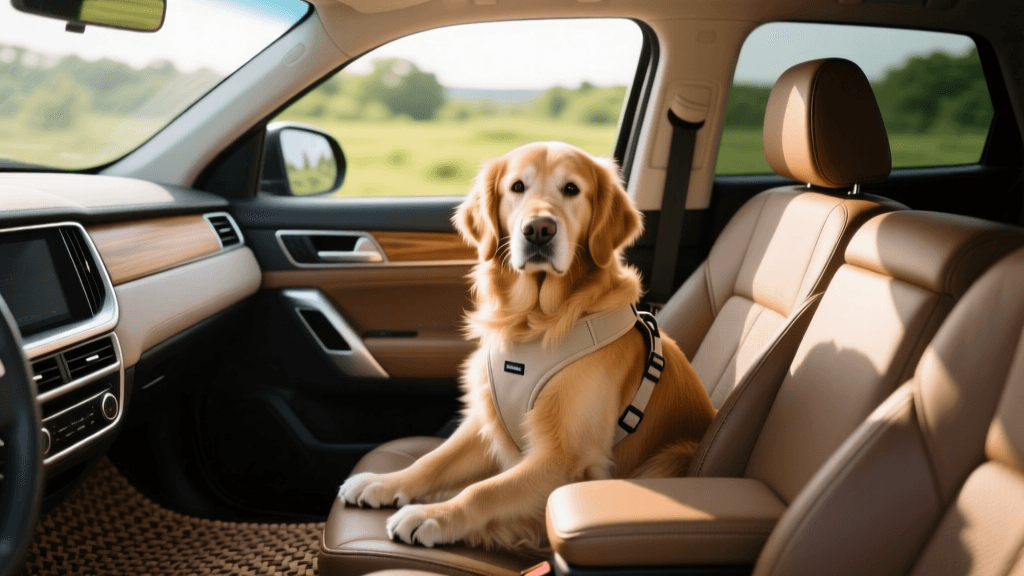
Traveling with a brachycephalic dog requires meticulous planning. Car travel should always involve a crash-tested harness, such as the Sleepypod Clickit Sport, secured in the back seat. Keep the car’s air conditioning directed toward your dog, and take breaks every hour to offer small sips of water.
Air travel, however, presents severe risks. The People's Dispensary for Sick Animals (PDSA) strongly advises against flying brachycephalic breeds, particularly in the cargo hold, where temperature fluctuations and stress can be fatal. In recent years, major airlines like United, Delta, and American Airlines have outright banned brachycephalic breeds from cargo and restricted them in the cabin due to the high mortality rate associated with respiratory distress at high altitudes. If you must travel long distances, opt for driving or pet-friendly train routes where you can control the environment.
Recognizing Respiratory Distress: A Quick Guide
Because brachycephalic dogs naturally make snorting, snoring, and wheezing sounds, it can be difficult for owners to distinguish between "normal" breed traits and a life-threatening respiratory emergency. Use the table below to monitor your dog's daily baseline.
| Observation | Normal / Manageable Baseline | Signs of Respiratory Distress (Seek Vet Care) |
|---|---|---|
| Breathing Sounds | Mild snoring while asleep; occasional snorting when excited. | Loud, continuous stridor (high-pitched wheezing) while resting; gagging or choking sounds. |
| Gum Color | Bubblegum pink or naturally pigmented (dark spots). | Pale, white, grey, or blue-tinged (cyanosis) gums indicating lack of oxygen. |
| Posture | Relaxed, lying on side or curled up. | Orthopneic posture: sitting rigidly with elbows bowed outward and neck stretched to force air. |
| Exercise Tolerance | Willing to walk for 15 minutes; recovers quickly after resting. | Collapsing, refusing to move, or taking more than 5 minutes to catch their breath after mild activity. |
Long-Term Health and Veterinary Interventions
Proactive veterinary care is essential for managing the genetic realities of flat-faced breeds. During routine wellness exams, your veterinarian should evaluate your dog’s airway function. If your dog exhibits severe exercise intolerance, sleep apnea, or frequent regurgitation, surgical intervention may be recommended.
Prophylactic and corrective surgeries typically involve widening the stenotic nares (nostrils) and resecting the elongated soft palate. According to veterinary surgical guidelines, performing these procedures early in a dog's life (often between 6 and 12 months of age) dramatically improves long-term outcomes and prevents the irreversible secondary changes to the larynx. The cost for BOAS corrective surgery generally ranges from $2,500 to $6,000, depending on your geographic location and the specific procedures required. While expensive, this investment vastly improves your dog's quality of life, allowing them to breathe comfortably, sleep soundly, and engage more fully in your daily routines.
Additionally, the UK Kennel Club emphasizes the importance of supporting responsible breeding programs that prioritize health and longer muzzles over extreme aesthetic traits. When bringing a new puppy into your life, always ask breeders for BOAS screening results and respiratory health clearances.
Conclusion
Living with a brachycephalic dog is a deeply rewarding experience, but it demands an informed, proactive approach to their daily care. By adapting your exercise routines, controlling their environment, strictly managing their weight, and recognizing the early signs of respiratory distress, you can mitigate the impacts of their genetic predispositions. Your flat-faced companion relies on you to be their advocate, ensuring that their life is not just long, but truly comfortable and joyful.
tom-renshaw
All our authors care for dogs every day — read more of their work on the authors page.