Before & After: Transforming Morning Routines With High-Energy Dogs
Discover how to transform chaotic mornings with a high-energy dog into a peaceful routine. See our before and after guide for actionable tips and schedules.

The Morning Struggle: Living With a High-Energy Dog
For many dog owners, the alarm clock does not signal the start of a peaceful new day; it signals the start of a daily marathon. If you share your home with a high-energy breed like a Border Collie, Australian Shepherd, Siberian Husky, or even a mixed-breed rescue with endless stamina, you likely know the drill. The moment your feet hit the floor, the chaos begins. Paws tapping frantically on the hardwood, a leash being shoved into your hand, and a chorus of demanding barks that make you feel guilty before you have even brushed your teeth. Living with a high-energy dog is a profound joy, but without a structured daily routine, it can quickly lead to owner burnout and canine behavioral issues.
At Paws-Tales, we believe that sharing your life with a dog should be enriching, not exhausting. In this comprehensive guide, we will walk you through a complete before and after transformation of the morning routine. By implementing strategic evening preparation, mental enrichment, and structured decompression walks, you can turn your chaotic mornings into a serene, bonding experience.
The "Before" Picture: Waking Up in the Chaos Zone
Before the transformation, the typical morning routine in a high-energy dog household looks remarkably stressful. The owner wakes up exhausted, immediately triggering the dog's excitement. The dog is fed from a standard bowl, inhaling the food in under thirty seconds, which does nothing to satisfy their psychological need to forage and work. Next comes the leash walk. Because the dog has been crated or confined all night and has just eaten rapidly, they are bursting with unchanneled kinetic energy. The walk becomes a battle of wills, with the owner being dragged down the sidewalk while the dog lunges at squirrels, other dogs, and blowing leaves. By the time the owner leaves for work, both human and dog are stressed, and the dog is often left alone with residual anxiety, leading to destructive chewing or excessive barking.
Why High-Energy Dogs Struggle with Unstructured Mornings
High-energy dogs are not intentionally trying to ruin your morning; they are simply acting on their genetic imperatives. Breeds developed for herding, hunting, or pulling sleds require immense physical and mental output. When a morning routine lacks structure, the dog is forced to make their own decisions on how to expend that energy, which usually results in hyperactive, unruly behavior.
According to the Centers for Disease Control and Prevention (CDC), establishing structured routines with pets not only improves the animal's behavioral health but also significantly lowers human stress levels and blood pressure. Furthermore, the ASPCA's General Dog Care guidelines emphasize that mental stimulation is just as tiring for a dog as physical exercise. A high-energy dog does not just need to run; they need to think, sniff, and solve problems. The transformation from a chaotic morning to a peaceful one hinges entirely on shifting the focus from pure physical exertion to targeted mental enrichment.
The 30-Day Transformation Plan: Step-by-Step
Transforming your morning routine does not happen overnight, but by committing to a 30-day plan, you will rewire your dog's expectations and behaviors. Here is the exact blueprint we use to rehabilitate chaotic mornings.
Phase 1: Evening Preparation (The Secret to Morning Success)
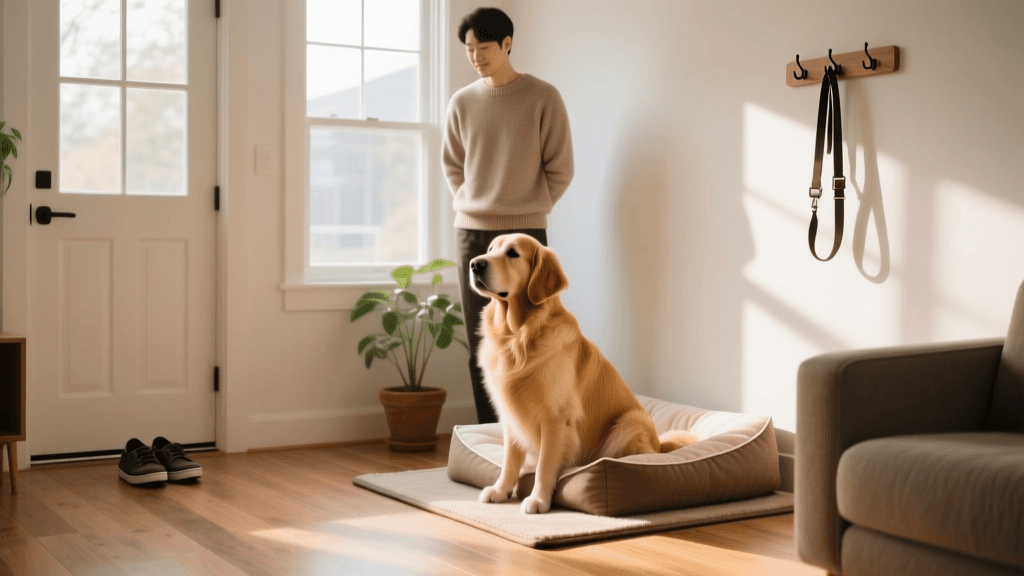
The secret to a calm morning actually begins the night before. High-energy dogs thrive on predictability. If you are scrambling to find the leash, scoop the kibble, and locate your shoes at 6:00 AM, your dog will mirror your frantic energy. Action Step: Create a "launch station" near your front door. Every evening, stage the leash, harness, treat pouch, and your walking shoes. More importantly, prepare your dog's morning enrichment feeders (detailed in Phase 2) and place them in the refrigerator or freezer. When you wake up, everything is ready, allowing you to move with calm, deliberate energy that your dog will naturally emulate.
Phase 2: Ditching the Bowl for Morning Enrichment
Feeding a high-energy dog from a standard stainless steel or ceramic bowl is a missed opportunity. In the wild, canines spend up to 80% of their waking hours foraging and hunting for food. We can replicate this in our living rooms to drain their mental batteries before we even step outside.
The Frozen KONG Protocol:
- Base: Fill a KONG Classic with plain, unsweetened Greek yogurt or mashed sweet potato.
- Bulk: Mix in dog-safe blueberries, diced carrots, and a spoonful of pumpkin puree.
- Seal: Cap the large hole with a smear of xylitol-free peanut butter.
- Freeze: Leave it in the freezer overnight.
When you wake up, hand your dog the frozen KONG on a designated silicone mat. Licking and chewing are naturally soothing behaviors for dogs that release endorphins in their brains. While your dog spends 20 minutes working for their breakfast, you can peacefully drink your coffee, get dressed, and prepare for the day without a dog demanding your attention.
Phase 3: The "Decompression" Sniffari Walk
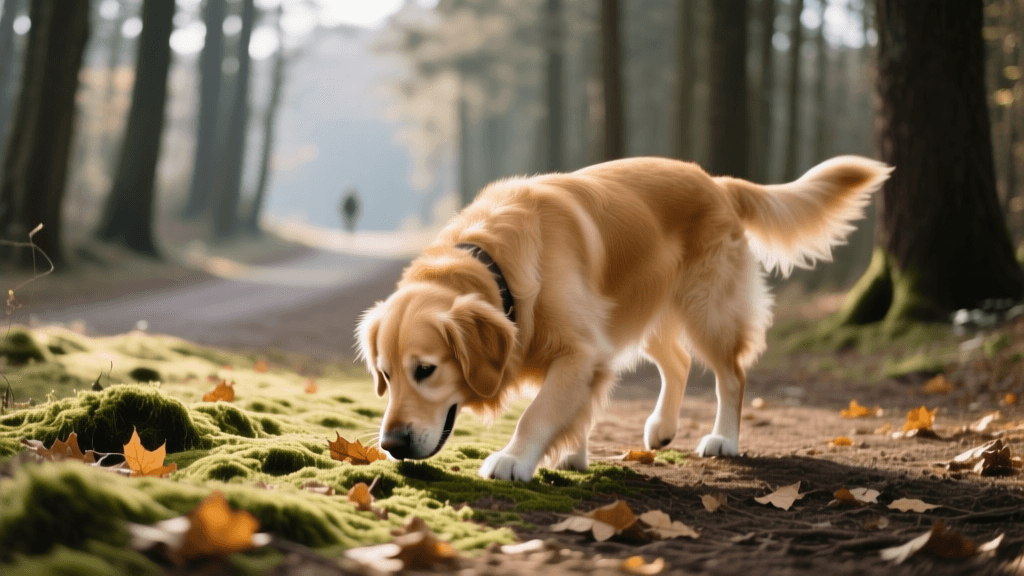
Once the KONG is finished, it is time for the morning walk. However, we are replacing the frantic, heel-focused neighborhood march with a "Sniffari." A Sniffari is a decompression walk where the dog is allowed to lead the pace and sniff as much as they desire. Sniffing lowers a dog's heart rate and provides intense mental stimulation. Action Step: Attach a 15-foot biothane long line to a well-fitted back-clip harness. Take your dog to a quiet field, park, or wooded trail. Let them sniff every blade of grass. Ten minutes of intense sniffing can be as exhausting for a high-energy dog as a two-mile run, leaving them calm and ready to settle down for a nap when you leave for work.
Before and After: A Morning Routine Comparison
To truly understand the impact of this transformation, let us look at a side-by-side comparison of a typical weekday morning.
| Time | Activity | Before State (Chaotic) | After State (Transformed) |
|---|---|---|---|
| 6:00 AM | Wake Up | Dog jumping on bed, barking, frantic energy. | Owner wakes calmly, dog stretches on their own bed. |
| 6:10 AM | Breakfast | Inhaling kibble from a bowl in 30 seconds. | Working on a frozen enrichment KONG on a mat. |
| 6:30 AM | Owner Prep | Owner rushing, tripping over dog, feeling stressed. | Owner drinking coffee, getting dressed in peace. |
| 6:45 AM | The Walk | Pulling on a short leash, lunging at triggers. | 15-foot long line Sniffari, low heart rate, calm. |
| 7:15 AM | Departure | Dog panting, anxious, owner feeling guilty. | Dog settling into a crate or bed for a morning nap. |
The Investment: Tools for Transformation
You do not need to spend a fortune to transform your routine, but investing in the right tools is essential. Here is the exact gear required for this before and after transformation:
- KONG Classic (Red or Black): $15 - $20. The gold standard for food enrichment. Choose the black version for aggressive chewers.
- Biothane Long Line (15 to 20 feet): $25 - $40. Biothane is waterproof, easy to clean, and does not tangle or burn your hands like nylon.
- Back-Clip Harness: $30 - $50. A Y-shaped harness that allows full shoulder movement and prevents neck strain during sniffing sessions.
- Silicone Licking Mat: $10 - $15. Protects your floors from sticky KONG residue and provides a designated "eating zone" for your dog.
The Humane Society of the United States consistently recommends utilizing food puzzles and appropriate harnesses to improve canine welfare and reduce behavioral issues stemming from boredom and physical discomfort.
The "After" Picture: Sipping Coffee in Peace
Fast forward thirty days. Your alarm goes off at 6:00 AM. Instead of being greeted by a frantic, barking shadow, you are greeted by a dog who stretches, yawns, and waits patiently. You walk to the kitchen, open the fridge, and hand them their frozen KONG. The house is quiet, save for the sound of enthusiastic licking. You brew your coffee, check your emails, and get dressed without a single interruption.
When it is time for the walk, you clip on the long line and head to the grassy area down the street. Your dog spends the next twenty minutes investigating the scent trails left by neighborhood wildlife. By the time you return home, your high-energy dog is visibly relaxed, their eyes soft, their breathing slow. They drink some water, walk to their bed, and let out a long, contented sigh as you grab your keys and head to work.
Transforming your morning routine with a high-energy dog is not about suppressing their natural drive; it is about giving that drive a constructive, fulfilling outlet. By shifting from reactive chaos to proactive enrichment, you protect your own peace of mind while giving your dog the structured, satisfying life they deserve. The before and after results speak for themselves: a happier dog, a calmer owner, and a beautifully shared life.
hannah-wickes
All our authors care for dogs every day — read more of their work on the authors page.