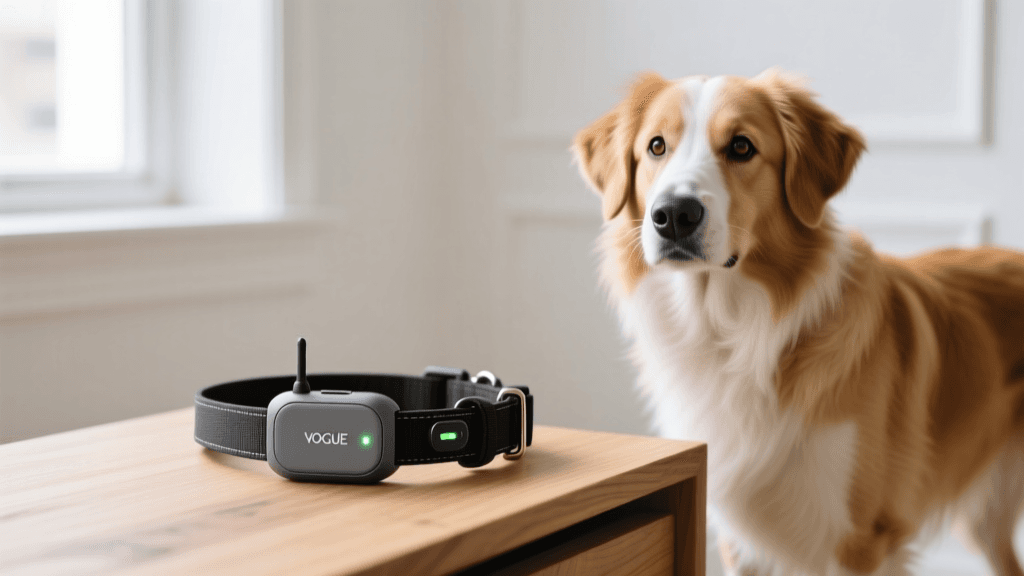
2026 Guide: Training & Conditioning Dogs With Canine OA
Discover 2026 training techniques for dogs with osteoarthritis. Learn cooperative care, low-impact conditioning, and scent work to keep your senior dog happy.
The 2026 Paradigm Shift: Training Dogs With Osteoarthritis
As we navigate through 2026, the veterinary and canine training communities have fundamentally shifted their approach to managing canine osteoarthritis (OA). Historically, an OA diagnosis meant a drastic reduction in a dog's activity level, often leading to weight gain, muscle atrophy, and behavioral issues stemming from boredom. Today, the focus is on therapeutic conditioning and mental enrichment. According to the American Animal Hospital Association (AAHA), modern OA management requires a multimodal approach, and behavioral training plays a critical role in ensuring dogs remain physically safe and mentally stimulated without exacerbating joint degradation.
For dog owners and trainers, this means completely re-evaluating traditional obedience routines. High-impact activities, repetitive joint flexion, and forced physical exertion are out. In their place, we utilize cooperative care training, low-impact proprioceptive conditioning, and intensive cognitive exercises like scent work. This comprehensive guide will walk you through the most effective, joint-friendly training methodologies for dogs living with osteoarthritis in 2026.
Cooperative Care Training for Modern OA Treatments
One of the most significant advancements in recent years is the widespread use of anti-NGF monoclonal antibodies (such as bedinvetmab) for managing canine OA pain. These treatments typically require monthly subcutaneous injections. While highly effective, the necessity of monthly veterinary visits or at-home administration can cause severe anxiety and physical struggle for arthritic dogs, leading to stress-induced pain flare-ups.
Cooperative care training, championed by organizations like Fear Free Pets, empowers the dog to willingly participate in their own medical care. By training specific stationary behaviors, you eliminate the need for physical restraint, which can be agonizing for a dog with compromised joints.
Teaching the 'Chin Rest' and 'Station' Behaviors
The chin rest is a foundational cooperative care behavior that keeps the dog's head still and exposes the scruff or shoulder area for injections or blood draws. Here is how to train it safely for an OA dog:
- Targeting the Hand: Hold your hand flat, palm up, at the dog's natural standing head height. Do not ask the dog to sit or lie down if getting up and down is painful; allow them to stand on a non-slip orthopedic mat.
- Capturing the Rest: When the dog investigates your hand, click or use a verbal marker ('Yes!') and reward with a high-value, soft treat that requires no vigorous chewing.
- Adding Duration: Gradually delay the marker, requiring the dog to keep their chin resting in your palm for 3, then 5, then 10 seconds.
- Generalization: Practice this while gently touching the dog's shoulder or scruff, simulating the sensation of an injection site preparation.
By mastering this behavior, your dog learns to opt-in to their medical treatment, drastically reducing cortisol levels and preventing the physical tension that worsens OA pain.
Low-Impact Physical Conditioning and Proprioception
While high-impact agility and fetch are contraindicated for arthritic dogs, complete rest is equally detrimental. Muscle atrophy removes the supportive scaffolding around damaged joints. In 2026, canine rehabilitation utilizes advanced, low-profile proprioceptive equipment to build core and limb stability without loading the joints with concussive force.
Setting Up Cavaletti Rails
Cavaletti poles are ground-level rails that encourage a dog to consciously lift their paws, improving joint range of motion and hind-end awareness. For an OA dog, the setup must be meticulously measured to prevent overextension.
- Pole Height: Set the poles extremely low, ideally resting directly on the floor or elevated no more than 1 to 2 inches using flat, stable bases. The goal is not to force high stepping, but to encourage deliberate foot placement.
- Pole Spacing: Measure the distance from the floor to the dog's greater trochanter (the top of the hip joint). Space the poles at approximately 1.2 to 1.5 times this measurement to match the dog's natural, comfortable stride length.
- Surface: Always perform Cavaletti work on a high-traction surface, such as interlocking foam mats or carpet, to prevent slipping, which can cause micro-tears in compromised ligaments.
Utilizing Memory-Foam Balance Discs
Modern 2026 balance equipment features memory-foam infused, low-profile inflatable discs. Having the dog stand with their front paws on the floor and hind paws on the discs (or vice versa) engages the deep stabilizing muscles of the spine and hips. Keep these sessions incredibly short—no more than 3 to 5 minutes—to prevent muscle fatigue, which can lead to compensatory movement and subsequent pain.
Mental Stimulation: Scent Work and Puzzle Training
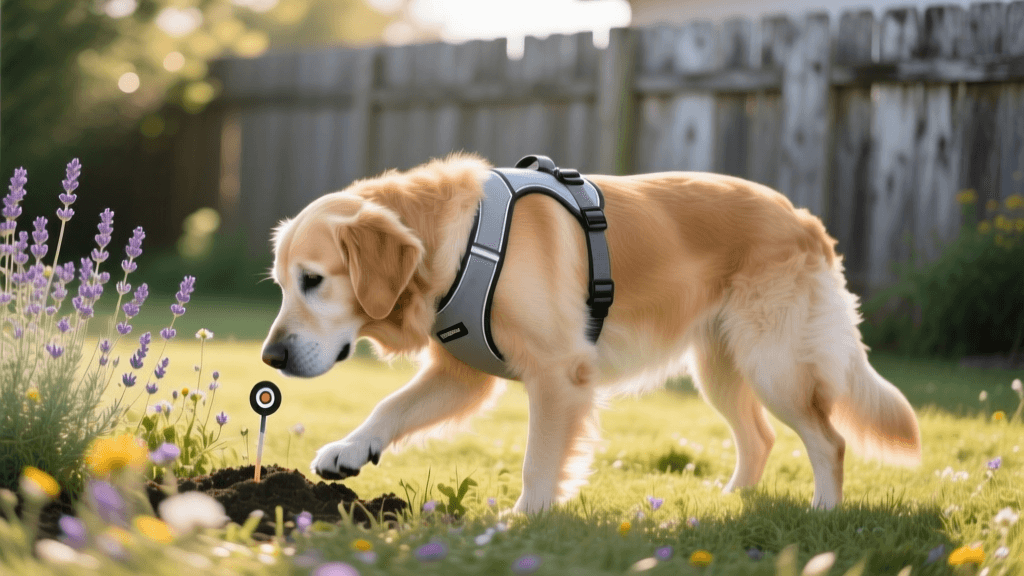
Physical limitations often lead to behavioral issues born of boredom. A dog that used to burn off energy running miles at the dog park now needs an alternative outlet. Cognitive fatigue is just as effective as physical fatigue in promoting a calm, rested dog. Scent work is the premier 2026 recommendation for arthritic dogs because it engages the brain's olfactory processing centers, which consumes a massive amount of caloric and mental energy, all while the dog moves at a slow, self-directed pace.
The American Kennel Club (AKC) recognizes Scent Work as an inclusive sport that is highly adaptable for senior and mobility-impaired dogs. You do not need a formal competition setup to reap the benefits at home.
Implementing Nose-Level Scent Hides
To protect the dog's neck and spine, avoid placing scent hides (such as birch, anise, or clove essential oil on a cotton swab) on the floor or high up on shelves. Bending down or reaching up can strain the vertebrae and exacerbate hip or shoulder OA.
- The 'Chair Height' Rule: Place scent hides at the exact height of the dog's nose when they are standing comfortably in a neutral posture. Use chair legs, table edges, or specialized magnetic hide containers attached to vertical surfaces at the appropriate height.
- Pacing: Allow the dog to work at their own speed. Do not use verbal cues to rush them. The mental processing of tracking an odor cone is what provides the enrichment.
- Reward Delivery: When the dog finds the hide, deliver the reward (a food pouch or toy) directly to their mouth at nose level so they do not have to drop to the floor to eat.
Modifying Traditional Obedience Commands
Standard obedience training often relies on repetitive movements that are highly detrimental to arthritic joints. The 'sit-stand' exercise, commonly used to teach attention and heel position, forces the dog to repeatedly flex and extend their stifle (knee) and coxofemoral (hip) joints under load. In 2026, progressive trainers have replaced these outdated metrics with joint-friendly alternatives.
| Traditional Command | OA-Friendly Alternative (2026) | Reasoning and Biomechanical Benefit |
|---|---|---|
| Repetitive Sit-Stand | Hand Targeting (Touch) | Encourages forward momentum and neck mobility without the shearing force of sitting and rising on the hindquarters. |
| Sit-Stay for Greeting | Mat 'Settle' or 'Down-Stay' | A well-cushioned orthopedic mat provides joint support. Transitioning from a stand to a down is often smoother and less jarring than a full sit. |
| Heel with Sharp Turns | Loose-Leash Walking with Wide Arcs | Sharp pivots place immense torque on the carpal (wrist) and tarsal (ankle) joints. Wide, sweeping turns maintain flow and reduce joint stress. |
| Fetch / Ball Chasing | Scent Work or Snuffle Mat Foraging | Eliminates the concussive impact of sudden stopping and turning, replacing it with low-impact, high-cognitive foraging behavior. |
The Importance of the 'Settle' Command
Teaching a rock-solid 'settle' on a designated orthopedic bed is arguably the most valuable obedience skill for an OA dog. This behavior teaches the dog to default to a relaxed, lying-down position when the household is active, preventing them from pacing or attempting to follow owners up and down stairs. Use a thick, memory-foam bed to ensure pressure points are cushioned, and reward heavily for sustained relaxation rather than active movement.
Conclusion: Prioritizing Quality of Life
Training a dog with canine osteoarthritis in 2026 is not about achieving perfect heel positions or rapid command responses; it is about preserving the dog's dignity, comfort, and joy. By integrating cooperative care for painless medical management, utilizing low-impact proprioceptive conditioning to maintain muscle mass, and substituting physical exhaustion with deep mental enrichment through scent work, you can dramatically improve your dog's quality of life. Always consult with a certified canine rehabilitation therapist or a veterinarian specializing in pain management to tailor these training modifications to your dog's specific orthopedic needs.
tom-renshaw
All our authors care for dogs every day — read more of their work on the authors page.