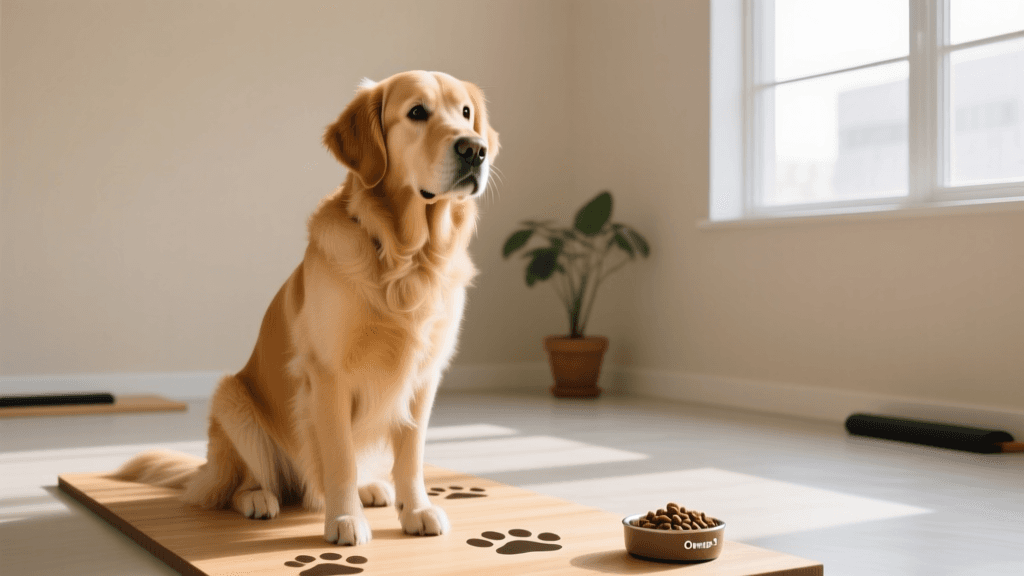
2026 Low-Impact Training For Dogs With Osteoarthritis
Discover 2026 low-impact training techniques for dogs with osteoarthritis. Learn modified obedience, scent work, and joint-safe mental stimulation.
Understanding Canine Osteoarthritis and Training
Canine osteoarthritis (OA) is a progressive, degenerative joint disease that affects a significant portion of the aging dog population. As we navigate 2026, veterinary behaviorists and canine rehabilitation specialists are increasingly emphasizing the role of modified training in managing this condition. Historically, training was viewed strictly through the lens of physical obedience or high-energy sport. Today, the paradigm has shifted. For dogs suffering from OA, traditional training methods that involve repetitive sitting, jumping, or sharp turns can exacerbate joint inflammation and cause unnecessary pain.
According to VCA Animal Hospitals, osteoarthritis is the most common type of arthritis in dogs, leading to chronic pain and decreased mobility. However, a dog with OA still possesses a sharp mind and a deep desire to work alongside their handler. The goal of 2026 low-impact training is to provide rigorous mental stimulation and maintain functional mobility without placing undue biomechanical stress on compromised joints. By adapting our training protocols, we can improve the quality of life for our arthritic companions while preserving the human-animal bond.
Modifying Basic Obedience Commands for Joint Health
Standard obedience commands like 'sit' and 'down' require significant flexion of the hips, knees, and elbows. For a dog with hip dysplasia or severe elbow osteoarthritis, the physical act of sitting can be agonizing. In 2026, force-free trainers advocate for replacing high-flexion commands with joint-neutral alternatives.
Replacing 'Sit' and 'Down' with 'Touch' and 'Stand'
The 'Touch' command (hand targeting) is an invaluable tool for OA dogs. It allows you to guide your dog's movement, position them for veterinary exams, or redirect their attention without requiring them to fold their joints. To teach 'Touch', present your open palm a few inches from your dog's nose. When they lean forward to sniff your hand, mark the behavior with a clicker or a verbal 'yes' and reward them. Gradually increase the distance, requiring your dog to take a step or two to reach your hand. This encourages low-impact, linear walking.
Similarly, teaching a solid 'Stand-Stay' is highly beneficial. Standing maintains joint extension and builds isometric strength in the stabilizing muscles without the wear-and-tear of repetitive transitions between sitting and standing.
Low-Impact Recall and Leash Walking
Recalls should be modified to prevent the 'slamming on the brakes' that occurs when a dog rushes to their owner and abruptly stops. Train an 'auto-settle' on an orthopedic mat instead of a traditional front-sit. When your dog is recalled, they are rewarded for walking calmly onto their mat and lying down at their own pace, utilizing a ramp or low-profile bed if necessary.
Cognitive Conditioning: Scent Work and Puzzle Training
When physical exercise is restricted, mental fatigue becomes your best ally. Olfactory enrichment is a cornerstone of modern canine rehabilitation. The American Kennel Club (AKC) highlights scent work as an inclusive sport that allows dogs of all ages and physical abilities to engage their natural hunting instincts. Ten minutes of intense scent work can provide the same level of cognitive exhaustion as an hour of brisk walking.
To begin scent work at home, you will need a target odor, such as birch, anise, or clove essential oil, and cotton swabs hidden in ventilated metal tins. Start by 'imprinting' the odor: present the tin and reward your dog for showing interest in it. Once the dog understands that the odor predicts a high-value treat, begin hiding the tin in easy-to-reach, ground-level locations. This encourages the dog to move at a slow, deliberate pace, sniffing out the reward without the need for jumping or climbing.
In addition to formal scent work, interactive puzzle feeders and snuffle mats are excellent for daily enrichment. These tools slow down eating and require the dog to use their nose and paws gently to forage for kibble, providing sustained mental engagement while they rest on a supportive surface.
Proprioception and Balance Training
Proprioception—the body's ability to sense its location, movements, and actions—is often diminished in dogs with OA due to altered gait and muscle atrophy. The American College of Veterinary Surgeons notes that maintaining core strength and proprioception is vital for stabilizing arthritic joints. Low-impact balance training helps rebuild the micro-muscles that support the skeletal system.
Using specialized canine fitness equipment, such as inflatable balance discs or paw pods, you can guide your dog to place their front or rear paws on unstable surfaces. Start with the dog standing on a flat, non-slip mat. Introduce a single, slightly inflated disc and lure the dog to place just their front paws on it. Reward heavily for maintaining balance. This isometric exercise strengthens the core and shoulder stabilizers without requiring the dog to bear weight on their hindquarters or navigate stairs.
2026 Recommended Low-Impact Training Gear
Investing in the right equipment is crucial for safe training. The 2026 market offers several innovative products designed specifically for mobility-impaired dogs:
- Help 'Em Up Harness: This veterinary-recommended harness features built-in handles that allow handlers to support the dog's hindquarters or front end during training, preventing slips and reducing joint strain.
- Orthopedic Training Mats: High-density, memory-foam mats with non-slip rubber bases provide a stable, cushioned surface for teaching 'settle' and 'place' commands, protecting elbows and hocks from hard floors.
- Adjustable Snuffle Mats: Modern snuffle mats feature varying difficulty levels and can be laid flat to ensure the dog does not have to crane their neck or bend awkwardly to forage.
- Canine Paw Pods: Small, rubberized, inflatable domes used for targeted proprioception training and weight-shifting exercises.
Comparing Training Activities for OA Dogs
Understanding the impact of various activities helps in designing a safe training curriculum. Below is a comparison of common training exercises and their suitability for dogs with osteoarthritis.
| Training Activity | Joint Impact Level | Mental Stimulation | OA Suitability (2026) |
|---|---|---|---|
| Traditional Agility (Jumps/Weaves) | High | Moderate | Not Recommended |
| Scent Work / Nosework | Very Low | Extremely High | Highly Recommended |
| Proprioception (Balance Discs) | Low (Isometric) | Moderate | Highly Recommended |
| Fetch / Ball Chasing | High (Sudden Stops) | Low | Not Recommended |
| Hand Targeting ('Touch') | Low (Linear Walking) | Moderate | Recommended |
| Obedience Sit/Down Drills | Moderate to High | Low | Avoid / Modify |
Creating a 2026 Weekly Training Schedule
Consistency is key, but overexertion must be avoided. A balanced weekly schedule for an OA dog should alternate between cognitive tasks, gentle proprioception, and rest days. Here is a sample 2026 weekly training template:
- Monday: 10 minutes of Scent Work (hide and seek with odor tins in a single room) + 5 minutes of mat-settle training.
- Tuesday: 15 minutes of gentle proprioception (front paw targets on balance discs) + slow, structured sniffari walk on a long leash.
- Wednesday: Rest day. Use a frozen puzzle toy or snuffle mat for meals to provide passive mental enrichment without physical exertion.
- Thursday: 10 minutes of hand-targeting ('Touch') to practice guided, linear walking and weight-shifting + grooming/handling desensitization on an orthopedic bed.
- Friday: 15 minutes of advanced Scent Work (multiple rooms, higher hides that don't require jumping, just neck stretching) + massage therapy.
- Saturday: Low-impact aquatic therapy or hydrotherapy session (if available and approved by your veterinarian) to build muscle without gravity.
- Sunday: Total rest day. Focus on bonding, gentle petting, and passive range-of-motion (PROM) exercises as prescribed by your rehab vet.
Conclusion
Training a dog with osteoarthritis requires empathy, creativity, and a willingness to abandon outdated obedience standards. By embracing the 2026 guidelines for low-impact, cognitively rich training methods, you can keep your dog's mind sharp and their spirits high. Always consult with your veterinarian or a certified canine rehabilitation practitioner before beginning a new exercise or training regimen to ensure it is tailored to your dog's specific orthopedic needs.
beth-carrasco
All our authors care for dogs every day — read more of their work on the authors page.