Mobility Service Dog Training: Item Retrieval & Tugs 2026
Learn how to train your mobility service dog for item retrieval and door tugs in 2026. Step-by-step task conditioning for working dogs.
The Rising Demand for Mobility Service Dogs in 2026
As we navigate through 2026, the demand for highly trained mobility assistance dogs continues to grow. Individuals with physical disabilities, chronic pain conditions, and mobility impairments rely on these incredible working dogs to maintain their independence. While traditional obedience is the foundation of any well-behaved canine, a true service dog must go far beyond basic manners. Task training is the specialized process of teaching a dog to perform specific physical actions that mitigate their handler's disability. Two of the most critical and frequently requested skills for mobility dogs are item retrieval and door pulls. When a handler drops a set of keys, a phone, or a medication bottle, a trained mobility dog can retrieve it, saving the handler from painful or impossible bending. Similarly, teaching a dog to pull open doors allows handlers to navigate public spaces and their own homes with ease.
Understanding the Legal Standard for Task Training
Before diving into the mechanics of training, it is crucial to understand the legal framework governing service animals. According to the U.S. Department of Justice ADA guidelines, a service dog must be individually trained to do work or perform tasks directly related to a person's disability. Emotional support, comfort, and companionship do not qualify as tasks under federal law. Therefore, when training a mobility dog to retrieve items or pull doors, the behavior must be performed reliably on cue, in various environments, and with a high degree of precision. The American Kennel Club (AKC) emphasizes that complex task training should only begin after a dog has mastered foundational obedience, impulse control, and public access manners, ensuring the dog is mentally mature enough to handle the cognitive load of working.
Essential 2026 Gear for Task Conditioning
Having the right equipment is non-negotiable when teaching physical tasks. In 2026, advancements in canine ergonomics have led to better, safer gear for working dogs. Here is what you need to get started:
- Harness: The 2026 iteration of the Kurgo Tru-Fit Smart Harness or the Ruffwear Web Master Pro. These feature reinforced, padded chest plates and dual steel D-rings to distribute weight evenly during tug work, preventing spinal and shoulder strain.
- Tug Strap: An 18-inch braided leather tug strap with a heavy-duty carabiner. Leather is gentle on the dog's teeth and provides a secure grip. Avoid nylon straps, which can cause friction burns on the handler's hands and the dog's mouth.
- Retrieval Dummies: Canvas or rubber retrieval dummies (like the Dokken DeadFowl Trainer) that mimic the weight and texture of everyday objects without the sharp edges of actual keys or glass bottles.
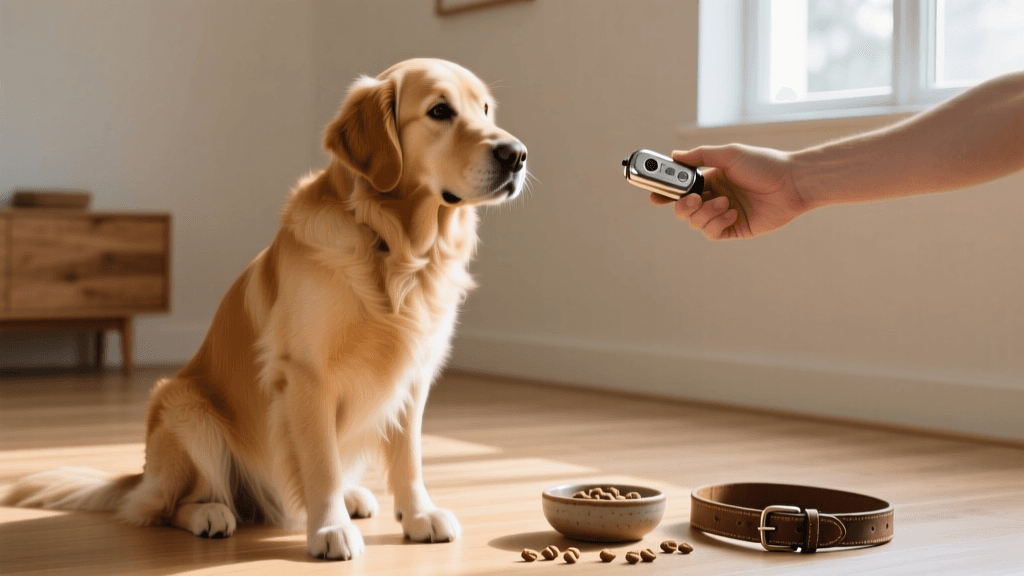
- High-Value Reinforcers: Freeze-dried proteins, such as Vital Essentials minnows or Ziwi Peak air-dried venison, cut into pea-sized pieces to maintain high motivation during repetitive shaping sessions.
Mastering Item Retrieval: The Bring It Command
Item retrieval for a mobility dog is not the same as playing fetch. The dog must pick up an object gently, carry it without chewing or dropping it, and deliver it directly into the handler's hand, often while the handler is seated in a wheelchair or on the floor.
Phase 1: Shaping the Hold
Begin with a soft, easy-to-hold object like a rolled-up pair of socks or a canvas dummy. Present the object to your dog. The moment they sniff or touch it with their nose, mark the behavior with a clicker or a verbal 'Yes!' and reward. Next, wait for them to open their mouth. If their teeth graze the object, mark and reward. Gradually increase the criteria until the dog is taking the object fully into their mouth. Once they are taking it, delay the click by one second, then two, then five. You are shaping duration. The dog must learn that holding the object quietly is what earns the reward, not spitting it out.
Phase 2: Adding the Retrieve and Delivery
Once the dog will hold the object for ten seconds while sitting directly in front of you, place the object on the floor just a few inches away. Give your cue, such as 'Bring it.' When the dog picks it up, encourage them to move toward you. To ensure a direct hand delivery, hold a treat against your palm or wrist. The dog will naturally move their mouth toward your hand to get the treat, which requires them to drop the object into your waiting palm. Mark and reward heavily. Over the next several weeks, gradually increase the distance, change the objects (keys, wallets, phones), and practice from different positions, including from a seated height to simulate wheelchair retrieval.
Door Pulls and Tugs: Building Leverage Safely
Teaching a dog to open doors requires a combination of target training, bite-and-hold mechanics, and physical leverage. This task is physically demanding and should only be taught to medium or large breed dogs that have reached full skeletal maturity, typically around 18 to 24 months of age.
Phase 1: Targeting the Tug Strap
Attach the leather tug strap to a lightweight interior door or a cabinet. Encourage the dog to investigate the strap. Mark and reward any interaction, such as sniffing or pawing. Next, encourage the dog to take the strap in their mouth. Use a cue like 'Take it.' Once they have a firm grip, introduce the 'Hold' command to ensure they do not immediately drop it.
Phase 2: The Pull and Release
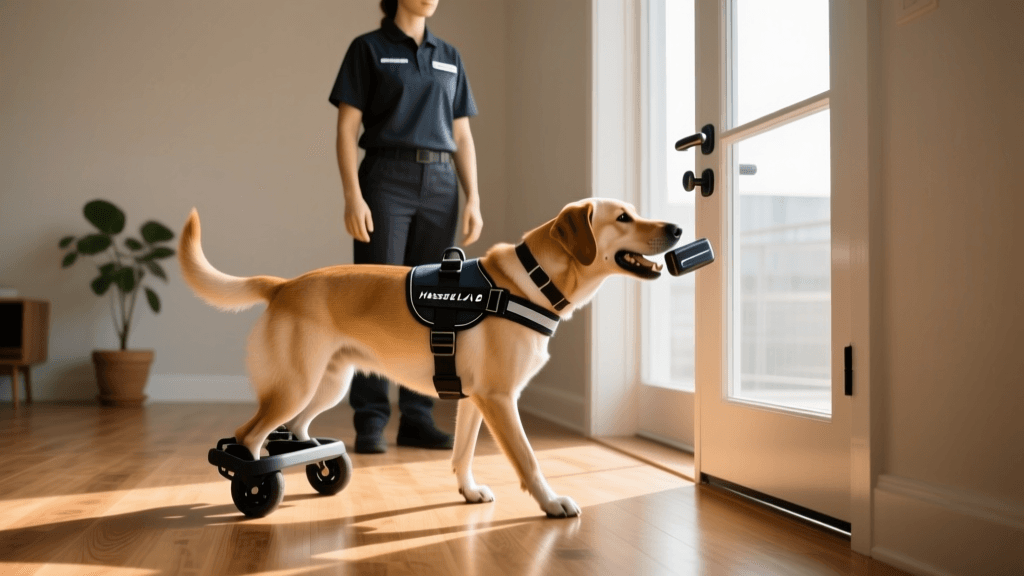
With the dog holding the strap, take a step backward and use an encouraging voice to prompt the dog to move toward you. The goal is for the dog to use their body weight to pull the door open. The moment the door unlatches or moves, mark the behavior, give your release cue ('Drop it'), and throw a high-value reward away from the door so the dog moves through the threshold. Practice this on various doors, adjusting the strap height so the dog is pulling in a straight line from their shoulders, not craning their neck upward or downward.
12-Week Task Training Progression Timeline
Consistency is key when conditioning working dog tasks. Below is a structured timeline to guide your training sessions in 2026. Keep sessions short—no more than 10 to 15 minutes—to prevent mental fatigue and physical strain.
| Week | Focus Area | Target Milestone | Session Frequency |
|---|---|---|---|
| 1-2 | Shaping the Hold | Dog holds a soft dummy for 10 seconds on cue. | 2x daily (5 mins) |
| 3-4 | Delivery to Hand | Dog picks up dummy from floor and places in hand. | 2x daily (10 mins) |
| 5-6 | Object Generalization | Dog retrieves 5 different everyday objects reliably. | 1x daily (15 mins) |
| 7-8 | Tug Strap Targeting | Dog takes leather strap in mouth and holds for 5 seconds. | 2x daily (5 mins) |
| 9-10 | Leverage and Pulling | Dog pulls lightweight doors open using body weight. | 1x daily (10 mins) |
| 11-12 | Proofing and Distraction | Tasks performed in public spaces with mild distractions. | 3x weekly (15 mins) |
Biomechanics and Joint Safety for Working Dogs
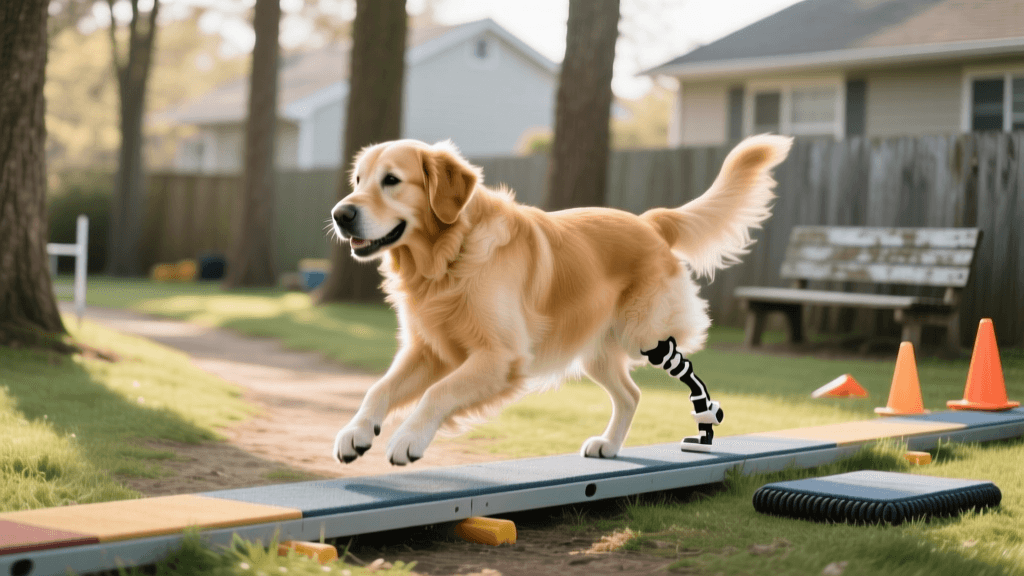
The physical toll of task training cannot be ignored. Repetitive pulling and awkward retrieval angles can lead to early-onset osteoarthritis or soft tissue injuries. As noted by the American Veterinary Medical Association (AVMA), the physical and mental well-being of working animals must be continuously monitored by veterinary professionals. In 2026, veterinary sports medicine specialists highly recommend incorporating canine conditioning exercises into a service dog's weekly routine. Utilizing balance discs, cavaletti poles, and underwater treadmills helps build the core and shoulder strength necessary for safe door pulling. Always ensure your dog's nails are trimmed short to provide maximum traction on slick floors during tug work, and never allow a dog to pull doors that are stuck, overly heavy, or equipped with heavy hydraulic closers.
Public Access and Final Certification Steps
Once your dog can reliably retrieve dropped items and pull open standard doors in the quiet of your home, the next step is proofing the behavior in public environments. A mobility dog must be able to ignore dropped food, loud noises, and passing strangers while focusing entirely on the handler's cue. Begin by practicing in low-distraction environments like empty parking lots or quiet parks before progressing to grocery stores and medical facilities. While federal law in the United States does not require official certification or registration for service dogs, many handlers choose to undergo a public access test administered by a professional organization to ensure their dog meets the highest standards of behavior and task reliability. By dedicating time to precise, positive-reinforcement-based task training, you are not just teaching tricks; you are forging a vital partnership that will enhance your independence and quality of life for years to come.
anouk-beaumont
All our authors care for dogs every day — read more of their work on the authors page.