5 Costly Mistakes Owners Make Reading Dog Body Language
Discover 5 common mistakes owners make when reading dog body language. Learn to spot calming signals and avoid misinterpreting canine stress and fear.

The Hidden Language of Dogs: Why We Get It Wrong
Dogs are masters of non-verbal communication. While humans rely heavily on spoken words, canines navigate their world through a complex vocabulary of ear positions, tail movements, muscle tension, and spatial awareness. Unfortunately, because we are such a verbal species, we frequently project human emotions and motivations onto our pets. This anthropomorphism leads to profound misunderstandings that can damage the human-animal bond, cause chronic stress for the dog, and even result in preventable behavioral issues or bites.
Understanding your dog requires unlearning popular myths and observing them objectively. Below, we break down five of the most common and costly mistakes dog owners make when interpreting canine body language, along with actionable, science-backed strategies to improve your communication.
Mistake 1: Punishing "Calming Signals"
Norwegian dog trainer and behaviorist Turid Rugaas coined the term "calming signals" to describe the subtle physical cues dogs use to de-escalate tension, soothe themselves, and communicate peaceful intentions. Common calming signals include yawning when not tired, licking their lips, turning their head away, sniffing the ground suddenly, or moving in a curved line rather than walking straight ahead.
The Mistake: Owners often misinterpret these signals as disobedience, boredom, or defiance. For example, if you call your dog and they stop to sniff the ground or yawn, you might assume they are ignoring you and scold them. In reality, the dog is likely feeling stressed by your tone of voice or the environment and is using a calming signal to say, "Please calm down, I mean no harm." Punishing a dog for displaying calming signals is incredibly damaging; it teaches the dog that their peaceful de-escalation tactics don't work, which can lead them to skip the subtle warnings and jump straight to defensive aggression in the future.
Mistake 2: Confusing a Wagging Tail with Happiness
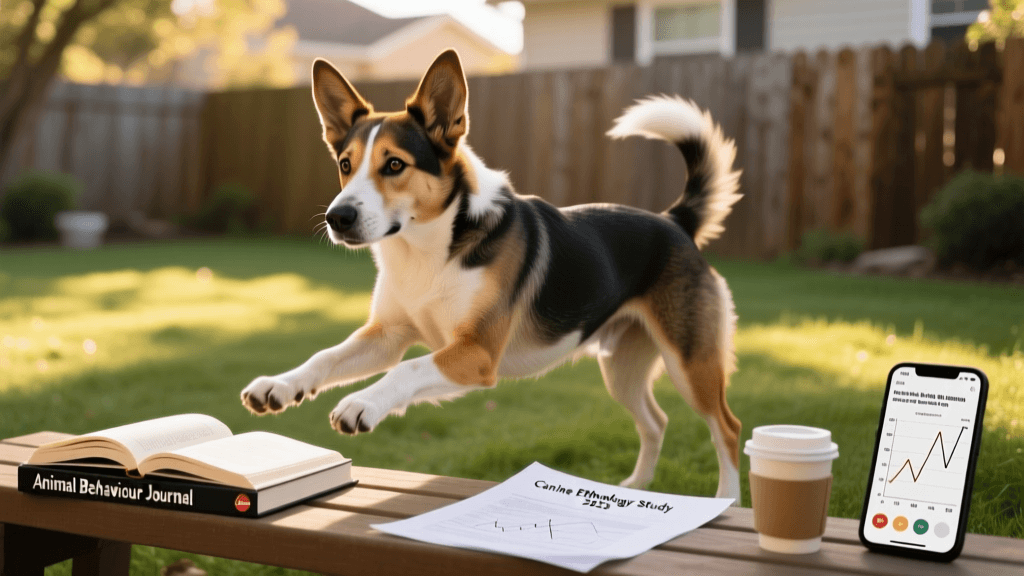
The belief that a wagging tail automatically equals a happy dog is arguably the most dangerous myth in canine body language. A wagging tail simply indicates arousal or stimulation—which can be positive, but can also be highly negative.
The Mistake: Reaching out to pet a dog with a high, stiff, rapidly vibrating tail (often called "flagging"). According to the American Kennel Club (AKC), tail position and tension are just as important as the movement itself. A loose, full-body "helicopter" wag generally indicates joy and relaxation. Conversely, a tail held high and stiff over the back, wagging in short, rapid ticks, signals high alertness, territoriality, and potential aggression. Furthermore, a 2013 study published in Current Biology found that dogs wag more to the right when experiencing positive emotions and more to the left when experiencing negative or anxious emotions. Ignoring the stiffness and height of the wag frequently leads to unexpected bites.
Mistake 3: Forcing "Submissive" Dogs into Social Situations
Many owners believe the best way to cure a fearful dog is through "flooding"—forcing them into a highly stimulating environment like a dog park or a crowded pet store until they "get used to it."
The Mistake: Flooding does not cure fear; it amplifies it. When a dog is pushed past its bite threshold, it enters a state of learned helplessness or reactive panic. Fixing the psychological fallout from flooding often requires hiring a Certified Applied Animal Behaviorist (CAAB), which can cost anywhere from $150 to $300 per session. Instead of forcing socialization, manage the environment. Utilize tools like the Adaptil Calm On-the-Go Collar (approximately $25), which releases synthetic dog-appeasing pheromones, or a Thundershirt (approximately $45), which provides gentle, constant pressure to soothe the nervous system. Pair these tools with counter-conditioning at a safe distance.
Mistake 4: Relying on Outdated "Dominance" Theory
The idea that dogs are constantly trying to become the "alpha" of the household is based on debunked, mid-20th-century studies of captive, unrelated wolves.
The Mistake: Using physical intimidation, such as the "alpha roll" (pinning a dog on its back), staring them down, or eating before them to "prove" your dominance. The American Veterinary Society of Animal Behavior (AVSAB) explicitly warns against dominance-based training in their official position statements. They note that confrontational methods frequently elicit fear and defensive aggression. Dogs do not view their owners as rival pack members; they view us as providers of resources. If your dog guards a toy or jumps on the couch, it is not a coup d'état—it is simply a learned behavior that has been inadvertently rewarded. Address it with positive reinforcement and resource management, not physical force.
Mistake 5: Ignoring the "Freeze" Before the Bite
Dogs rarely bite "out of nowhere." They follow a predictable escalation ladder: stiffening, freezing, hard staring, growling, snapping, and finally, biting.
The Mistake: Punishing the growl. Many owners will sharply reprimand a dog for growling, successfully teaching the dog to suppress that vocal warning. However, the underlying fear or discomfort remains. The next time the dog is triggered, it will skip the growl and go straight to the bite. The "freeze"—a moment where the dog's body goes completely rigid and their breathing pauses—is the ultimate red flag. If you see a freeze, you have less than two seconds to remove the trigger or safely retreat. Never punish a growl; instead, thank your dog for communicating their discomfort and remove them from the stressful situation.
Quick Reference: Canine Signals vs. Human Misinterpretations
| Canine Signal | Human Misinterpretation | Actual Canine Meaning | Action to Take |
|---|---|---|---|
| Yawning / Lip Licking | Boredom, sleepiness, or hunger | Stress, anxiety, or an attempt to calm a tense situation | Give the dog space; remove the stressor |
| High, Stiff Tail Wag | Extreme happiness and excitement | High arousal, alertness, potential territorial aggression | Do not approach; call the dog away calmly |
| Showing Teeth (Submissive Grin) | Aggression or preparing to bite | Appeasement gesture, extreme deference, or nervousness | Avert your gaze slightly; speak in a soft tone |
| Growling | Defiance, dominance, or "bad" behavior | A clear boundary warning indicating fear or pain | Stop what you are doing; do not punish the growl |
| Sniffing Ground Suddenly | Distracted or ignoring commands | Displacement behavior to avoid conflict or relieve pressure | Lower your voice; reduce training pressure |
Actionable Steps to Improve Your Canine Communication
Transforming how you interact with your dog requires mindfulness and consistency. Implement these practical steps immediately:
- The 3-Second Consent Test: When petting an unfamiliar or anxious dog, pet them gently on the chest or shoulder for exactly 3 seconds, then stop and withdraw your hand. If the dog leans in, nudges you, or paws at you, they are consenting to more contact. If they look away, freeze, or step back, respect their boundary and do not resume petting.
- Master the 0.5-Second Reward Window: When using positive reinforcement to build confidence around a trigger (like a stranger or another dog), timing is everything. You must deliver a high-value treat (like boiled chicken or freeze-dried liver) within 0.5 seconds of the dog noticing the trigger but before they react. This rewires the brain's emotional response from "threat" to "predictor of good things."
- Establish a 10-Foot Buffer Zone: When walking a reactive or fearful dog, maintain a minimum 10-foot buffer zone from unknown dogs and people. If someone approaches, step off the path, use your body to block the dog's line of sight, and advocate for your pet by firmly stating, "Please give us space, my dog is in training."
- Record and Review: Set up a camera or ask a friend to film your training sessions or walks. Watch the footage back in slow motion. You will be amazed at the micro-expressions—ear flicks, whale eye (showing the whites of the eyes), and tight mouths—that you missed in real-time.
Ultimately, understanding your dog is an ongoing education. By discarding outdated dominance myths and learning to read the subtle, brilliant language of calming signals, you build a foundation of profound trust. For more foundational knowledge on canine psychology and welfare, the American Veterinary Medical Association (AVMA) provides excellent, science-based resources for pet owners looking to deepen their understanding of their canine companions.
jonas-cole
All our authors care for dogs every day — read more of their work on the authors page.