Avoid These 7 Mistakes When Introducing a Second Dog
Avoid common pitfalls when bringing a new dog home. Learn expert-backed strategies for safe introductions, managing resources, and preventing fights.
The Honeymoon Phase vs. The Reality of Multi-Dog Homes
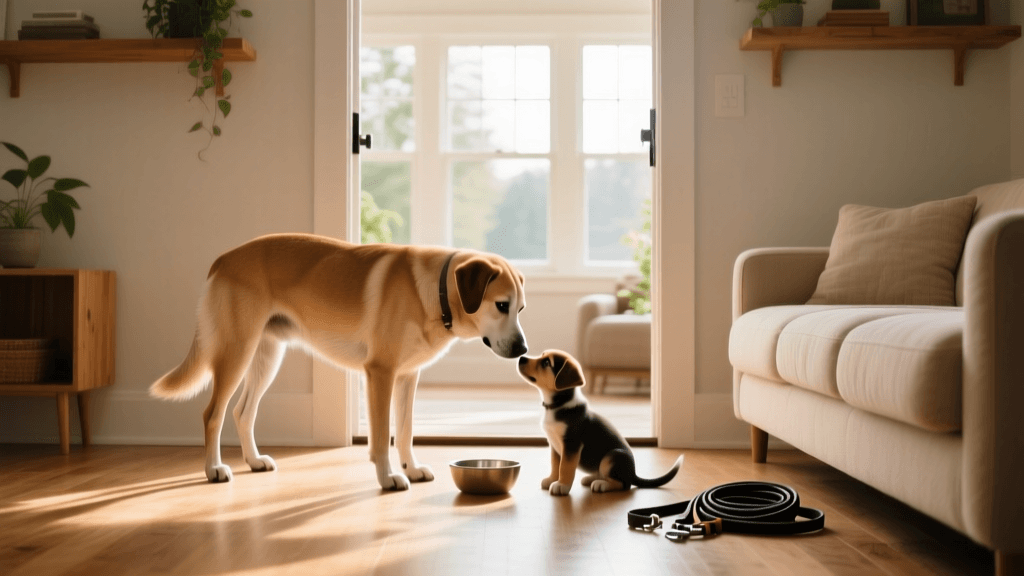
Bringing a second dog into your home is an exciting milestone. You likely envision your resident dog and the new arrival playing together, sharing beds, and becoming instant best friends. However, the reality of canine social dynamics is far more complex. Dogs are territorial by nature, and disrupting their established routine can lead to stress, resource guarding, and even severe fights if not managed correctly.
According to the ASPCA, successful multi-dog households require careful planning, patience, and an understanding of canine body language. Unfortunately, many well-meaning pet parents make critical errors during the first few weeks. Below, we break down the seven most common mistakes to avoid when introducing a second dog, complete with actionable advice, product recommendations, and timelines to ensure a peaceful pack.
Mistake 1: The Drop and Pray Home Introduction
The most frequent and dangerous mistake is bringing the new dog directly into the home and simply letting the dogs meet in the living room. Your home is your resident dog's territory. Introducing an intruder directly into their safe space can trigger immediate defensive or aggressive behaviors.
How to Fix It: Neutral Territory Meetings
Always conduct the first introduction on neutral territory, such as a quiet park or an empty tennis court. Have a friend or family member handle the new dog while you handle your resident dog. Keep both dogs on standard 4-to-6-foot leashes. Walk them parallel to each other at a distance of 10 to 15 feet, gradually decreasing the distance as they exhibit relaxed body language (loose wagging, sniffing the ground, soft eyes). Only bring them into the home together after a successful, low-stress outdoor walk.
Mistake 2: Ignoring the 3-3-3 Decompression Rule
Many owners expect their dogs to be fully bonded within the first weekend. When the new dog acts out, hides, or snaps, the owner assumes they adopted a 'bad dog.' In reality, the dog is simply overwhelmed.
How to Fix It: Follow the 3-3-3 Timeline
Animal behaviorists widely recommend the 3-3-3 rule for rescue and newly adopted dogs:
- 3 Days of Decompression: The dog may refuse to eat, hide, or sleep excessively. Keep the environment quiet and limit visitors.
- 3 Weeks to Settle: The dog begins to learn your routine and show their true personality. Minor behavioral issues may surface as they test boundaries.
- 3 Months to Bond: The dog finally feels secure, understands the household rules, and forms a deep attachment to you and the resident dog.
Do not force interactions during the first three days. Provide the new dog with a dedicated safe space, such as a crate covered with a breathable blanket, located in a low-traffic room.
Mistake 3: Using Retractable Leashes for First Meetings
Retractable leashes (like the popular Flexi brand) are terrible tools for dog introductions. They provide zero leverage, encourage pulling, and make it nearly impossible to quickly separate dogs if a scuffle breaks out. Furthermore, the thin cord can cause severe rope burn if you try to grab it during an emergency.
How to Fix It: Invest in Proper Handling Gear
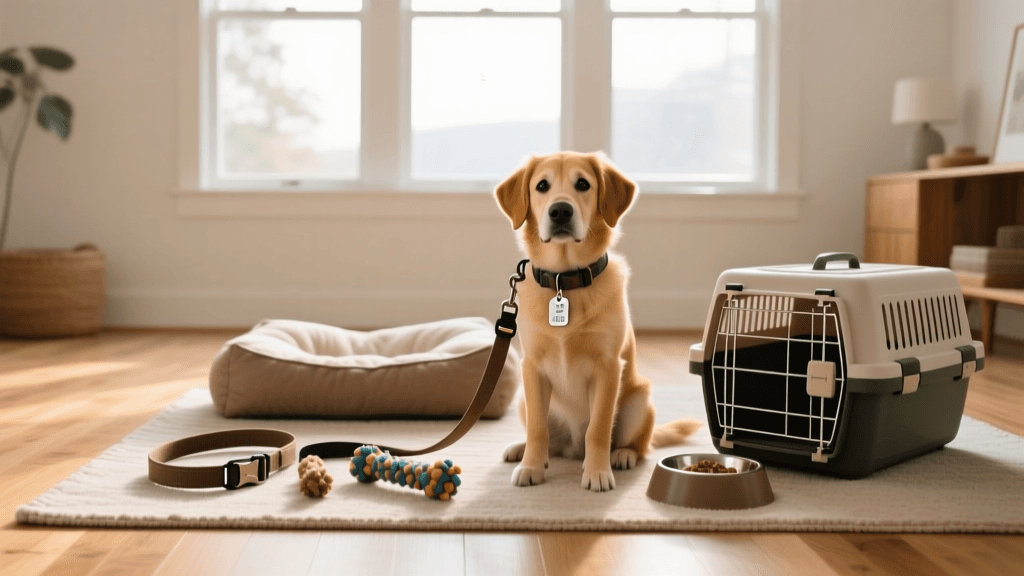
Use a standard 6-foot leather or biothane leash. These materials provide a secure grip even if the dog pulls. For hands-free control and quick corrections, consider a slip lead like the Mendota Products British Slip Lead (approximately $15 to $20). Keep the leash loose during the parallel walk; a tight leash transmits your anxiety directly to the dog and can trigger leash reactivity.
Mistake 4: Leaving High-Value Resources Unattended
Resource guarding is a leading cause of fights in multi-pet households. Leaving food bowls, high-value chew toys, or even your own lap open for competition is a recipe for disaster. The Humane Society of the United States strongly advises managing the environment to remove triggers before they become problems.
How to Fix It: Environmental Management
For the first three months, completely remove all toys, bones, and unattended food bowls from shared spaces. Feed the dogs in separate rooms or inside their respective crates. If you want to give them long-lasting chews, do so while they are separated by a baby gate. Replace shared, easily guardable items with individual enrichment toys, such as the KONG Classic ($15 to $25), stuffed with frozen peanut butter and kibble, given only during supervised, separated crate time.
Mistake 5: Choosing the Wrong Indoor Barriers
Physical separation is vital when you are not actively supervising the dogs. However, relying on flimsy or inappropriate baby gates can lead to injuries or broken barriers, resulting in unsupervised, potentially dangerous interactions.
How to Fix It: Select the Right Gate for the Job
When purchasing a gate, consider the size and athleticism of your dogs. A medium-to-large dog can easily knock over a standard pressure-mounted gate or jump over a 24-inch barrier. Aim for a minimum height of 30 inches for most breeds, and 36 inches for athletic jumpers.
| Gate Type | Best Used For | Safety Rating | Estimated Cost |
|---|---|---|---|
| Hardware-Mounted | Top of stairs, high-traffic areas, large/strong dogs | Excellent | $50 - $90 |
| Pressure-Mounted | Doorways, temporary separation, small/senior dogs | Fair | $30 - $60 |
| Retractable Mesh | Narrow hallways, visual barrier only, toy breeds | Poor (for strong dogs) | $40 - $70 |
For most multi-dog introductions, a hardware-mounted gate like the Carlson Pet Products Extra Wide Walk-Through Gate ($60 to $80) is the gold standard. It secures directly into the wall studs, preventing even a 70-pound Labrador from pushing it over during a moment of excitement.
Mistake 6: Punishing Warning Growls
When the resident dog growls at the new dog for coming too close to their bed, the owner's instinct is often to scold or punish the resident dog for being 'mean.' This is a massive mistake. A growl is a vital communication tool; it is the dog's way of saying, 'I am uncomfortable, please give me space.'
How to Fix It: Respect the Warning
Veterinary behaviorists at VCA Animal Hospitals warn that punishing a growl suppresses the warning system without fixing the underlying anxiety. If you punish the growl, the dog may skip the warning next time and go straight to a bite. Instead, calmly call the new dog away from the resident dog's space, rewarding the new dog for disengaging. You must advocate for your resident dog's boundaries to build their trust in you as a leader.
Mistake 7: Neglecting One-on-One Time
In the effort to help the dogs bond, owners often do everything together: walks, feeding, training, and cuddling. This can lead to littermate syndrome-like behaviors, where the dogs become overly dependent on each other and ignore their human handlers, or it can cause the resident dog to feel displaced and jealous.
How to Fix It: Schedule Solo Sessions
Dogs need individual attention to maintain their bond with their humans and to decompress from the stress of a new housemate. Dedicate at least 15 minutes of one-on-one time per dog, per day. Take your resident dog on a solo sniffari walk while the new dog rests in their crate, then swap. Use this time for focused obedience training or simply playing their favorite individual game. This ensures both dogs feel valued and reduces competition for your affection.
Conclusion: Patience is Your Best Tool
Integrating a second dog into your life is a marathon, not a sprint. By avoiding these common mistakes—skipping neutral introductions, ignoring decompression periods, using the wrong gear, failing to manage resources, buying flimsy gates, punishing communication, and neglecting solo time—you set the stage for a harmonious household. Remember that every dog is an individual, and while some pairs become inseparable in a week, others may simply learn to coexist peacefully over several months. Celebrate the small victories, manage the environment diligently, and give your pack the time they need to thrive.
anouk-beaumont
All our authors care for dogs every day — read more of their work on the authors page.