Critical Mistakes: What NOT to Do for Dog Resource Guarding
Discover the critical mistakes to avoid when your dog resource guards. Learn what NOT to do to keep your family safe and improve canine behavior.
Understanding Resource Guarding: A Survival Instinct
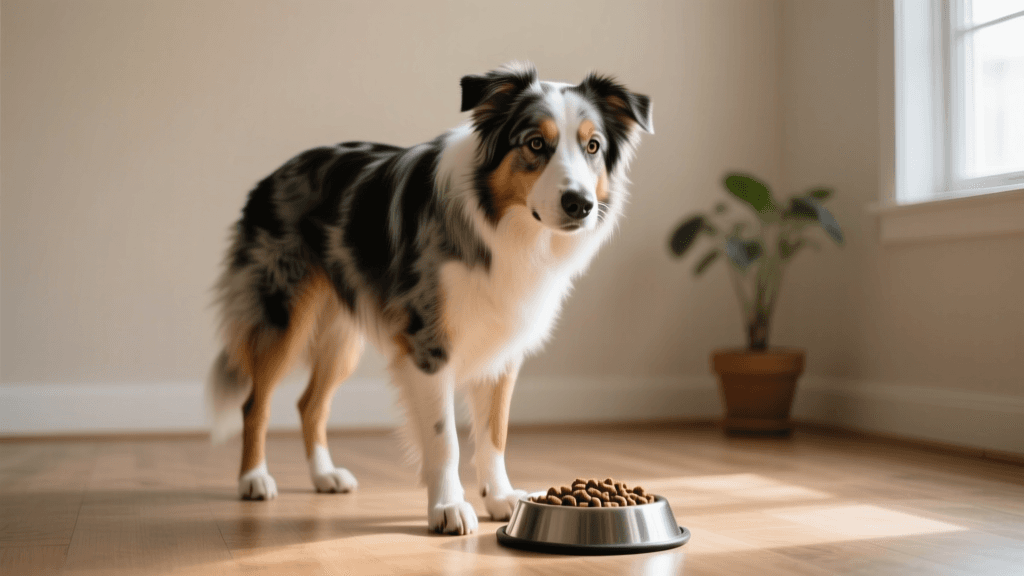
Resource guarding is one of the most misunderstood behaviors in the canine world. When a dog stiffens, growls, snaps, or bites over food, toys, bones, or even sleeping spaces, they are exhibiting resource guarding. This is not a display of “dominance” or a challenge to your authority. Instead, it is a deeply ingrained survival instinct driven by the fear of losing something valuable. From a psychological standpoint, the dog’s amygdala triggers a fight-or-flight response, flooding their system with cortisol and adrenaline.
As a dog owner, witnessing this behavior can be frightening and frustrating. However, how you react in these critical moments will either help resolve the issue or escalate it into a dangerous liability. According to the ASPCA’s resources on canine aggression, punishment-based methods and confrontational handling are primary drivers of severe bite incidents. To keep your family safe and rehabilitate your dog’s behavior, you must first understand the critical mistakes you need to avoid.
5 Critical “What NOT to Do” Warnings for Resource Guarding
1. Do NOT Punish the Growl
The most dangerous mistake an owner can make is punishing a dog for growling. A growl is a distance-increasing signal; it is your dog’s way of saying, “I am uncomfortable, please back away.” If you yell at, hit, or shock your dog for growling, you do not remove their underlying fear or anxiety. You merely suppress the warning system. The dog learns that growling results in punishment, so the next time they feel threatened over a resource, they will skip the growl entirely and go straight to a bite. Always respect the growl as vital communication.
2. Do NOT Play “Take Away” Games to Prove Dominance
Outdated training manuals often advise owners to repeatedly take a puppy’s food bowl away while they are eating to “show who is boss.” This is a fast track to creating a severe resource guarder. Imagine if someone repeatedly snatched your wallet or dinner plate away just to prove they were stronger than you; you would eventually become defensive and aggressive. Constantly harassing a dog while they eat creates chronic anxiety around food, teaching them that human hands near their bowl mean their resources will be stolen.
3. Do NOT Corner or Confront the Dog
If your dog has stolen a dangerous item (like a cooked chicken bone or a medication bottle) or a high-value item (like a favorite shoe), your instinct might be to chase them, corner them against a wall, or reach directly over their head to pry their jaws open. This triggers a cornered-animal response. The American Veterinary Medical Association (AVMA) emphasizes that avoiding confrontational postures and direct physical struggles is paramount in preventing dog bites. Reaching over a dog’s head is perceived as a massive physical threat, often resulting in a defensive bite to the hand or face.
4. Do NOT Use Aversive Training Tools
Using aversive tools such as prong collars, choke chains, or electronic shock collars (like SportDOG or Garmin e-collars) on a resource-guarding dog is highly contraindicated. Resource guarding is rooted in fear and anxiety. Applying pain or discomfort when a dog is already in a state of high emotional arousal only validates their belief that the environment is dangerous and that humans are a threat to their safety. This can lead to “redirected aggression,” where the dog bites whoever is nearest when the painful stimulus is applied.
5. Do NOT Ignore Early Warning Signs
Bites rarely happen “out of nowhere.” Dogs exhibit a ladder of subtle body language signals before they resort to growling or biting. Ignoring these early signs forces the dog to escalate. Early warnings include:
- “Whale Eye”: Showing the whites of their eyes while keeping their head turned away from the resource.
- Lip Licking & Yawning: Out-of-context appeasement signals indicating stress.
- Freezing: A sudden, rigid stillness when a person approaches.
- Accelerated Eating: Gulping food frantically as someone walks by.
What TO Do Instead: Actionable Management and Modification
Avoiding the wrong actions is only half the battle. You must replace those mistakes with proactive, force-free management and behavioral modification protocols. Here is a highly specific, actionable plan to address resource guarding safely.
Step 1: Environmental Management (Cost: $30 - $60)
Prevention is your first line of defense. You must manage the environment so the dog does not have the opportunity to practice the guarding behavior.
- Physical Barriers: Invest in a sturdy, hardware-mounted baby gate, such as the Carlson Pet Products Super Wide Adjustable Gate (approx. $45). Use this to separate the dog from high-traffic areas during feeding times.
- Safe Zones: Feed your dog in a separate room, inside a closed crate, or behind a gate. Pick up the bowl only when the dog has completely left the area.
- High-Value Chews: Only give long-lasting chews (like bully sticks or yak cheese) when the dog is confined to their crate or a separate room. Take the chew away by tossing a high-value treat into the back of the crate so the dog voluntarily leaves the chew behind.
Step 2: The “Trade-Up” Protocol
Never forcibly take an item from your dog. Instead, teach them that giving up an item results in something even better. This changes the emotional response from fear to anticipation.
- Prepare High-Value Treats: Use treats that are significantly better than the guarded item. Zuke’s Mini Naturals (approx. $6 per bag) or freeze-dried beef liver work exceptionally well.
- The Approach: Start at a distance where the dog notices you but does not stiffen (e.g., 6 feet away).
- The Toss: Toss a high-value treat near the dog. Do not reach for their item.
- Closing the Distance: Over multiple sessions (lasting no more than 5 to 10 minutes to prevent fatigue), decrease the distance by 1 foot. Toss the treat, let them eat it, and walk away.
- The Exchange: Once you can stand right next to the dog without them stiffening, offer the treat directly from your hand. When they drop the item to eat the treat, calmly pick up the item, and then immediately give the item back. This teaches the dog that giving up an item doesn’t mean losing it forever.
Step 3: Timing and Consistency
Timing is critical in canine psychology. The marker (a clicker or a verbal “Yes!”) and the delivery of the treat must occur within a 1.5-second window of the dog making the correct choice (e.g., looking at you instead of staring at the bone). Delayed rewards confuse the dog and slow down the conditioning process.
Comparison Chart: Punishment vs. Force-Free Modification
Understanding the long-term impacts of your chosen training methodology is vital for the psychological well-being of your dog and the physical safety of your household.
| Approach | Method Example | Short-Term Result | Long-Term Consequence |
|---|---|---|---|
| Punishment-Based | Yelling, alpha rolls, shock collars, or snatching items away. | Dog may freeze or drop the item out of immediate fear. | Suppressed warning signs (growling), heightened anxiety, and sudden, unprovoked biting. Potential human medical bills for bite wounds can exceed $2,500 in ER and reconstructive costs. |
| Force-Free (Positive Reinforcement) | Trading up with high-value treats, environmental management, and desensitization. | Dog willingly drops items; guarding behavior may temporarily persist in unmanaged settings. | Dog associates human hands with positive outcomes. Trust is built, anxiety decreases, and the dog voluntarily offers items without fear of retaliation. |
When to Seek Professional Help
While management and trade-up games are highly effective for mild to moderate resource guarding, severe cases require professional intervention. If your dog has already broken the skin, if they guard multiple resources simultaneously, or if they exhibit intense aggression (lunging, snapping, prolonged biting) when approached, stop all DIY training immediately.
Seek out a certified professional dog trainer (CPDT-KA) or a board-certified veterinary behaviorist (DACVB). These professionals can assess the dog’s specific triggers, create a customized desensitization plan, and, if necessary, discuss anti-anxiety medications (such as fluoxetine or trazodone) with your primary veterinarian to lower the dog’s baseline arousal levels.
Conclusion
Resource guarding is a natural canine behavior that becomes problematic only when it threatens human safety. By understanding the psychology behind the behavior and strictly avoiding the “What NOT to Do” warnings outlined above, you can prevent minor anxieties from escalating into severe aggression. Ditch the outdated dominance myths, prioritize environmental management, and use high-value trade-ups to show your dog that human hands are the bringers of good things, not the thieves of their prized possessions. Patience, consistency, and empathy are your greatest tools in building a trusting, bite-free relationship with your dog.
hannah-wickes
All our authors care for dogs every day — read more of their work on the authors page.