Top Quiet Apartment Dogs: 2026 Health & Wellness Guide
Discover how to manage weight, mental health, and joint care for quiet apartment dog breeds in 2026 with expert veterinary and holistic wellness tips.
The Hidden Health Risks for Quiet Apartment Dogs
As urban living spaces continue to evolve in 2026, maximizing small square footage while maintaining a peaceful environment is a top priority for pet owners. Choosing a quiet dog breed is essential for good neighborly relations in apartment complexes. However, a common misconception among new urban pet owners is that 'quiet' equates to 'low-maintenance.' In the realm of veterinary health and holistic wellbeing, quiet apartment dogs often face unique, hidden health risks that require specialized care, proactive nutrition, and targeted mental enrichment.
Unlike high-energy working breeds that vocalize their boredom or physical discomfort, many quiet breeds are stoic. They may not bark when experiencing joint pain, and they rarely howl when suffering from separation anxiety. Instead, they internalize their stress, leading to silent but severe health issues such as obesity, destructive over-grooming, and chronic joint deterioration. According to the Association for Pet Obesity Prevention, over 50% of dogs in urban environments are currently overweight, a statistic heavily skewed by low-energy apartment dwellers. This comprehensive 2026 guide explores the specific health, nutritional, and mental wellness needs of the most popular quiet apartment breeds, ensuring your canine companion thrives in a compact living space.
Top Quiet Breeds and Their Specific Wellness Needs
Every breed has a genetic predisposition to certain health conditions. When confined to an apartment, the lack of sprawling outdoor space can exacerbate these issues if not managed correctly. Here is a breakdown of the most popular quiet apartment breeds and their 2026 veterinary care requirements.
Greyhounds: The 45-MPH Couch Potatoes
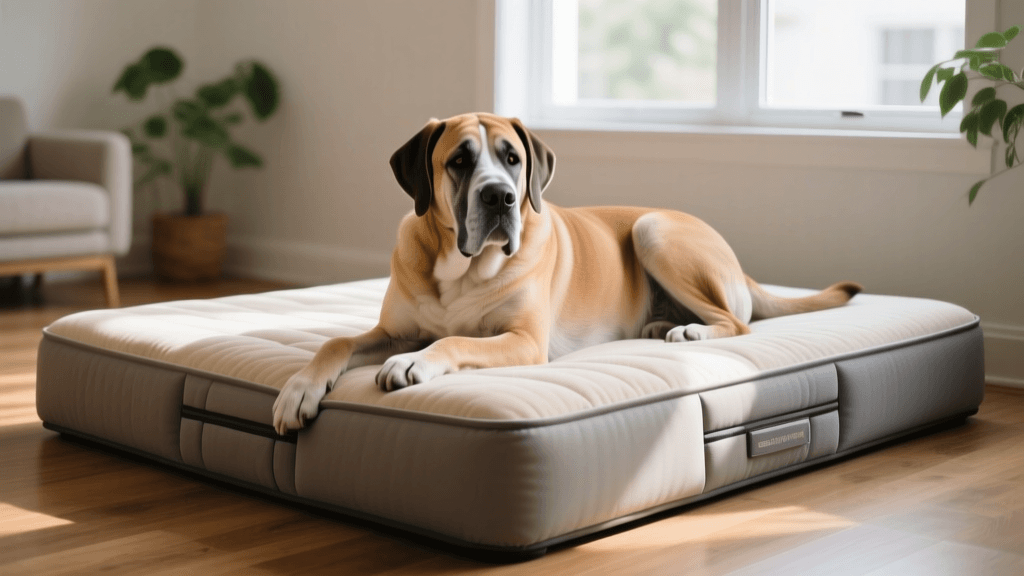
Retired racing Greyhounds and standard Greyhounds are famously quiet, rarely barking, and perfectly content to sleep on a sofa for 18 hours a day. However, their lack of body fat and unique musculoskeletal structure make them highly susceptible to temperature fluctuations and joint stiffness. In an apartment with hard flooring, slipping can easily lead to cruciate ligament tears. Veterinary orthopedic specialists in 2026 strongly recommend high-density, cooling-gel memory foam beds specifically designed for sighthounds to prevent pressure sores on their bony prominences. Furthermore, because they have very little insulating fat, apartment Greyhounds require insulated fleece coats even for brief winter potty breaks.
Cavalier King Charles Spaniels: Cardiac and Neurological Vigilance
Cavaliers are exceptionally quiet, affectionate, and adaptable to small spaces. Unfortunately, they are predisposed to Mitral Valve Disease (MVD) and Syringomyelia (SM). The 2026 veterinary consensus mandates annual proBNP blood tests and routine echocardiograms starting at age three to monitor cardiac function. Because apartments often involve navigating slippery floors or jumping off high furniture, owners must provide orthopedic ramps to protect the Cavalier's spine and neck from the micro-traumas that can aggravate SM. Mental wellness is also critical; Cavaliers are prone to 'ghost scratching' and stress-induced licking when under-stimulated.
Basset Hounds: Spinal Health and Weight Management
With their soulful eyes and low-pitched, infrequent barks, Basset Hounds are beloved apartment companions. Their elongated spines and short legs make them prime candidates for Intervertebral Disc Disease (IVDD). In 2026, preventative holistic care for Bassets focuses heavily on weight management and core strengthening. Even an extra two pounds can place catastrophic stress on a Basset's spine. Urban owners must utilize canine physical therapy exercises, such as controlled balance-board training in the living room, to build the abdominal muscles that support the spine. Harnesses are strictly required over collars to prevent neck strain during leash walks.
Shiba Inus: The Cat-Like Stoics
Shiba Inus are notoriously quiet, fastidious, and independent, making them seem like ideal apartment dogs. However, their stoicism masks a high need for mental enrichment and a predisposition to severe environmental allergies (atopic dermatitis). Shibas often do not vocalize when they are anxious; instead, they may develop destructive chewing habits or attempt to escape. In 2026, veterinary dermatologists emphasize the use of air purifiers with HEPA filters in apartments to reduce indoor allergens, coupled with omega-3 fatty acid supplements to maintain their skin barrier.
Preventing Obesity in Low-Energy Apartment Dogs
Obesity is the most significant threat to the health of quiet apartment dogs. Without a large backyard to roam, their daily caloric expenditure is remarkably low. Free-feeding is a recipe for disaster. To combat this, modern pet owners are turning to 2026 smart feeders that dispense micro-portions and track daily caloric intake via smartphone apps. Below is a structured guide to the daily resting energy requirements (RER) and wellness focuses for popular quiet breeds.
| Breed | Ideal Apartment Weight Range | Estimated Daily Calories (Sedentary) | Primary Health Focus |
|---|---|---|---|
| Greyhound | 60-70 lbs | 1,400 - 1,600 kcal | Joint support, temperature regulation |
| Cavalier King Charles Spaniel | 13-18 lbs | 450 - 550 kcal | Cardiac monitoring, syringomyelia |
| Basset Hound | 40-55 lbs | 900 - 1,100 kcal | Spinal health (IVDD), weight control |
| Shiba Inu | 17-23 lbs | 600 - 750 kcal | Mental stimulation, allergy management |
When calculating portions, always account for the calories in training treats. In 2026, veterinary nutritionists recommend substituting high-calorie commercial treats with low-calorie alternatives like dehydrated green beans, frozen blueberries, or single-ingredient freeze-dried liver to keep your dog motivated without expanding their waistline.
Mental Enrichment to Prevent 'Silent' Separation Anxiety
Because quiet dogs do not typically bark or whine when left alone in an apartment, owners often assume their dog is perfectly fine. In reality, many quiet breeds suffer from silent separation anxiety. The ASPCA notes that dogs may exhibit anxiety through pacing, excessive panting, drooling, or destructive behavior rather than vocalization. To safeguard your dog's mental health while you are at work, you must provide robust cognitive enrichment.
- Snuffle Mats and Foraging Toys: Engaging a dog's olfactory system tires them out faster than a physical walk. Hiding kibble in a dense snuffle mat mimics natural foraging behaviors and reduces cortisol levels.
- Frozen Lick Mats: Spreading plain Greek yogurt or low-sodium bone broth on a textured silicone mat and freezing it provides a soothing, endorphin-releasing activity that can occupy a dog for up to an hour.
- 2026 Smart Puzzle Feeders: Modern interactive toys now feature randomized treat-dispensing algorithms and two-way audio, allowing you to monitor your dog's stress levels and reward calm behavior remotely.
'A tired dog is a good dog, but a mentally fulfilled dog is a healthy dog. For apartment dwellers, cognitive enrichment is just as vital as physical exercise for preventing behavioral and stress-related illnesses.' - 2026 Holistic Veterinary Guidelines
Creating a Holistic Wellness Routine for Small Spaces
Living in an apartment requires a deliberate approach to your dog's daily routine. Since you cannot simply open a back door to let the dog out, you must establish a structured wellness regimen that addresses physical, mental, and emotional health.
1. Structured Sniffaris
Instead of rushing your dog around the block for a purely physical potty break, embark on a 'Sniffari.' Allow your quiet breed to dictate the pace of the walk, stopping to sniff fire hydrants, trees, and grass patches. Sniffing lowers a dog's heart rate and provides immense mental satisfaction, which is crucial for breeds like Bassets and Shibas that rely heavily on scent processing.
2. Indoor Mobility and Core Work
Space constraints should not limit physical therapy. Utilize canine balance discs or inflatable stability peanuts in your living room to encourage your dog to shift their weight and engage their core muscles. This is particularly vital for long-backed breeds prone to IVDD, as a strong core acts as an internal corset protecting the spine.
3. Holistic Calming Supplements
For dogs that exhibit subtle signs of apartment stress—such as panting when the elevator arrives or hiding during thunderstorms—holistic supplements can be highly effective. In 2026, veterinary-approved formulations containing L-theanine, hemp-derived CBD, and chamomile are widely used to gently modulate the nervous system without the heavy sedation associated with older pharmaceutical interventions. Always consult your primary veterinarian before introducing new supplements to ensure they do not interact with existing cardiac or neurological medications.
Conclusion: Thriving in Compact Spaces
Choosing a quiet dog breed is a wonderful way to enjoy pet ownership in an apartment without disrupting your neighbors. However, their silence demands that you become an astute observer of their physical and mental wellbeing. By strictly managing their caloric intake, providing orthopedic support for their joints, and engaging their minds with modern enrichment tools, you can ensure your quiet companion lives a vibrant, pain-free, and deeply fulfilling life. For more detailed breed-specific health screenings and preventative care protocols, always refer to the American Kennel Club's Health Resources and maintain a close relationship with your local veterinary team.
robin-maitland
All our authors care for dogs every day — read more of their work on the authors page.