Senior Dog Care Guide: Nutrition, Joints, and Wellness
Discover essential senior dog care tips. Learn about joint supplements, senior nutrition, and cognitive health to keep your aging dog happy and active.
Understanding the Senior Life Stage
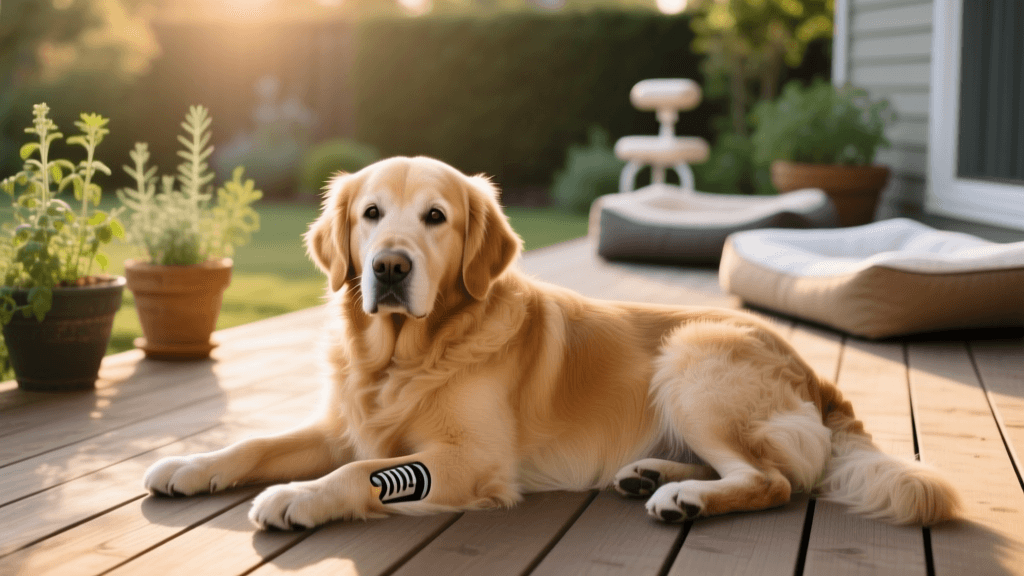
Dogs enter their senior years at different ages depending on their breed and size. Small breeds like Chihuahuas may not show signs of aging until they are 10 to 12 years old, while giant breeds like Great Danes can be considered seniors by age six. Navigating this golden life stage requires a proactive approach to veterinary care, nutrition, and environmental management. This comprehensive guide will walk you through the essential pillars of senior dog care, ensuring your loyal companion remains comfortable, active, and happy in their twilight years.
Nutritional Shifts for the Aging Canine
As dogs age, their metabolic rate naturally slows down, and their activity levels often decrease. This means their caloric requirements drop, making them more susceptible to obesity. However, while they need fewer calories, the quality of those calories must increase. Older dogs require highly digestible, premium protein sources to maintain muscle mass and support organ function. Transitioning to a dedicated senior dog food, such as Hill's Science Diet Senior Vitality or Purina Pro Plan Bright Mind, can provide the precise balance of nutrients required. These formulas often include added antioxidants, vitamins, and botanical oils to support brain health. When feeding your senior dog, aim for approximately 20 to 30 calories per pound of their ideal body weight, adjusting based on their specific activity level and veterinary advice. Furthermore, dental issues are rampant in older dogs. If your dog struggles with hard kibble, consider incorporating high-quality wet food or adding warm water or low-sodium bone broth to their meals to soften the texture and increase hydration.
Joint Health and Mobility Management
Osteoarthritis is one of the most common and debilitating conditions affecting senior dogs, with some estimates suggesting it impacts up to 80% of dogs over the age of eight. Managing joint health is critical to maintaining your dog's quality of life. A multi-modal approach is usually best, combining weight management, gentle exercise, and targeted supplementation. When selecting a joint supplement, look for products containing Glucosamine Hydrochloride, Chondroitin Sulfate, and MSM (Methylsulfonylmethane). Omega-3 fatty acids, specifically EPA and DHA derived from fish oil, are also powerful anti-inflammatories that can significantly reduce joint pain.
Top Joint Supplements Compared
| Product Name | Key Active Ingredients | Approx. Monthly Cost | Best For |
|---|---|---|---|
| Nutramax Dasuquin Advanced | Glucosamine, Chondroitin, ASU, Omega-3s | $60 - $80 | Severe arthritis and post-surgery recovery |
| Zesty Paws Mobility Bites | Glucosamine, Chondroitin, Turmeric, MSM | $25 - $35 | Mild stiffness and daily maintenance |
| VetriScience GlycoFlex Plus | Perna Canaliculus (Green Lipped Mussel), DMG | $40 - $55 | Aging working dogs and active seniors |
Cognitive Health and Mental Stimulation
Canine Cognitive Dysfunction (CCD) is akin to Alzheimer's disease in humans. According to research highlighted by the Texas A&M College of Veterinary Medicine & Biomedical Sciences, signs of CCD include disorientation, altered interactions with family members, changes in sleep-wake cycles, and house-soiling. While there is no cure for CCD, its progression can be slowed through mental enrichment and dietary interventions. Incorporate puzzle feeders, snuffle mats, and short, positive-reinforcement training sessions into your dog's daily routine to keep their brain active. Nutritionally, diets rich in Medium-Chain Triglycerides (MCTs) have been shown to improve cognitive function in aging dogs. Supplements like Senilife or prescription diets like Purina NeuroCare can provide targeted neurological support.
Environmental Modifications and Comfort
Making your home senior-friendly is a crucial, often overlooked aspect of life stage care. Slippery hardwood floors can be a nightmare for dogs with weakened hindquarters. Invest in interlocking foam mats or non-slip area rugs to provide secure footing. If your dog sleeps on your bed or needs to access the car, use a sturdy ramp with a gentle incline rather than stairs, as ramps put significantly less stress on the spine and joints. Additionally, invest in an orthopedic dog bed with memory foam, such as the Big Barker Orthopedic Dog Bed, which is specifically designed to alleviate pressure points and support aching joints. These beds typically cost between $200 and $350 but are a worthwhile investment for your dog's daily comfort.
Preventive Veterinary Care and Screening
The American Animal Hospital Association (AAHA) strongly recommends that senior dogs visit the veterinarian at least twice a year. Because dogs age much faster than humans, a six-month gap between visits is equivalent to several years in human terms, allowing diseases to progress significantly if left unchecked. During these bi-annual visits, request a comprehensive senior blood panel. This should include a Complete Blood Count (CBC), a comprehensive chemistry panel to evaluate liver and kidney function, and a full thyroid panel (T4, Free T4, TSH) to rule out hypothyroidism. Expect to pay between $150 and $300 for this thorough diagnostic workup, depending on your geographic location and veterinary clinic. Early detection of conditions like chronic kidney disease (CKD) or diabetes can drastically alter the treatment plan and extend your dog's lifespan.
Structuring a Senior-Friendly Daily Routine
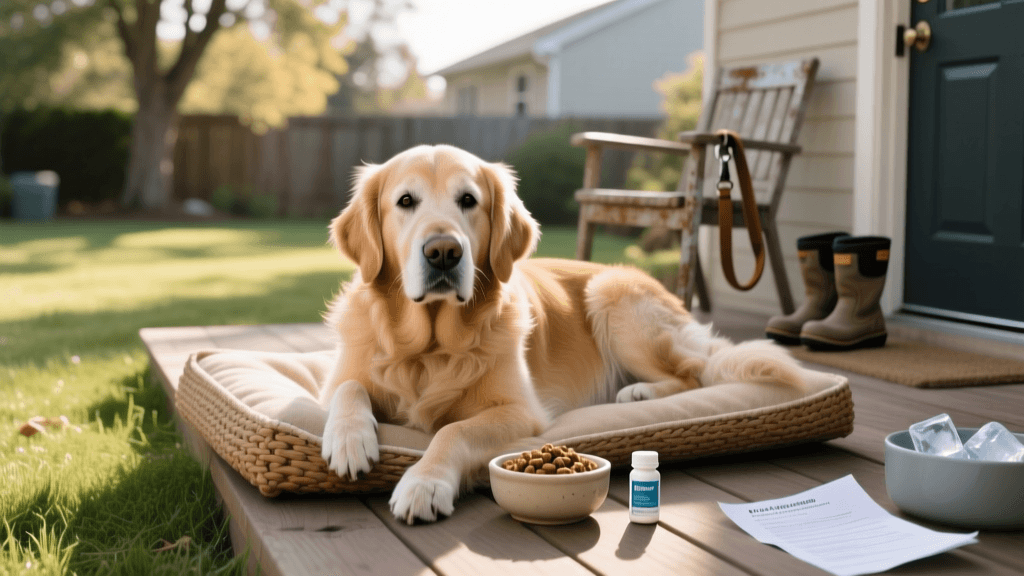
- Morning (7:00 AM): Administer joint supplements and thyroid medications with a small, easily digestible breakfast. Follow with a gentle 15-minute sniffari (leisurely walk focused on mental enrichment rather than physical exertion).
- Mid-Day (12:00 PM): Provide a puzzle toy filled with soft treats or peanut butter to stimulate cognitive function while you are at work or busy.
- Afternoon (4:00 PM): Engage in light indoor play or a 10-minute training session focusing on low-impact commands like 'touch' or 'sit' to maintain muscle memory and bond.
- Evening (6:00 PM): Serve dinner mixed with Omega-3 fish oil. Ensure the sleeping area is warm and free from drafts.
- Night (10:00 PM): Final short potty break. Senior dogs often have reduced bladder control, so late-night access to a yard or puppy pads is highly recommended.
Conclusion
Caring for a senior dog requires patience, observation, and a willingness to adapt to their changing needs. By prioritizing high-quality nutrition, proactive joint management, cognitive stimulation, and bi-annual veterinary screenings, you can ensure your dog's golden years are truly golden. Remember that the American Veterinary Medical Association (AVMA) emphasizes that age itself is not a disease; with the right life stage care guide in hand, your senior dog can continue to thrive and bring joy to your home for years to come.
aaron-whyte
All our authors care for dogs every day — read more of their work on the authors page.